शिलाजीत (Shilajit): प्राचीन जड़ी-बूटी के आधुनिक लाभ
Meena, 45, a homemaker from Jaipur, noticed her vitality diminishing, especially after the monsoon season. Feeling constantly worn out, she struggled to manage household chores and found herself reaching for sugary snacks for a quick pick-me-up. Her doctor suggested lifestyle changes, but Meena also sought traditional remedies.
She recalled her grandmother speaking of 'Shilajit', a potent substance from the Himalayas, often referred to as the 'conqueror of mountains' or 'destroyer of weakness'. This ancient Ayurvedic treasure has been used for centuries to combat weariness and enhance vigor. But what exactly is Shilajit, and can it truly live up to its legendary reputation?
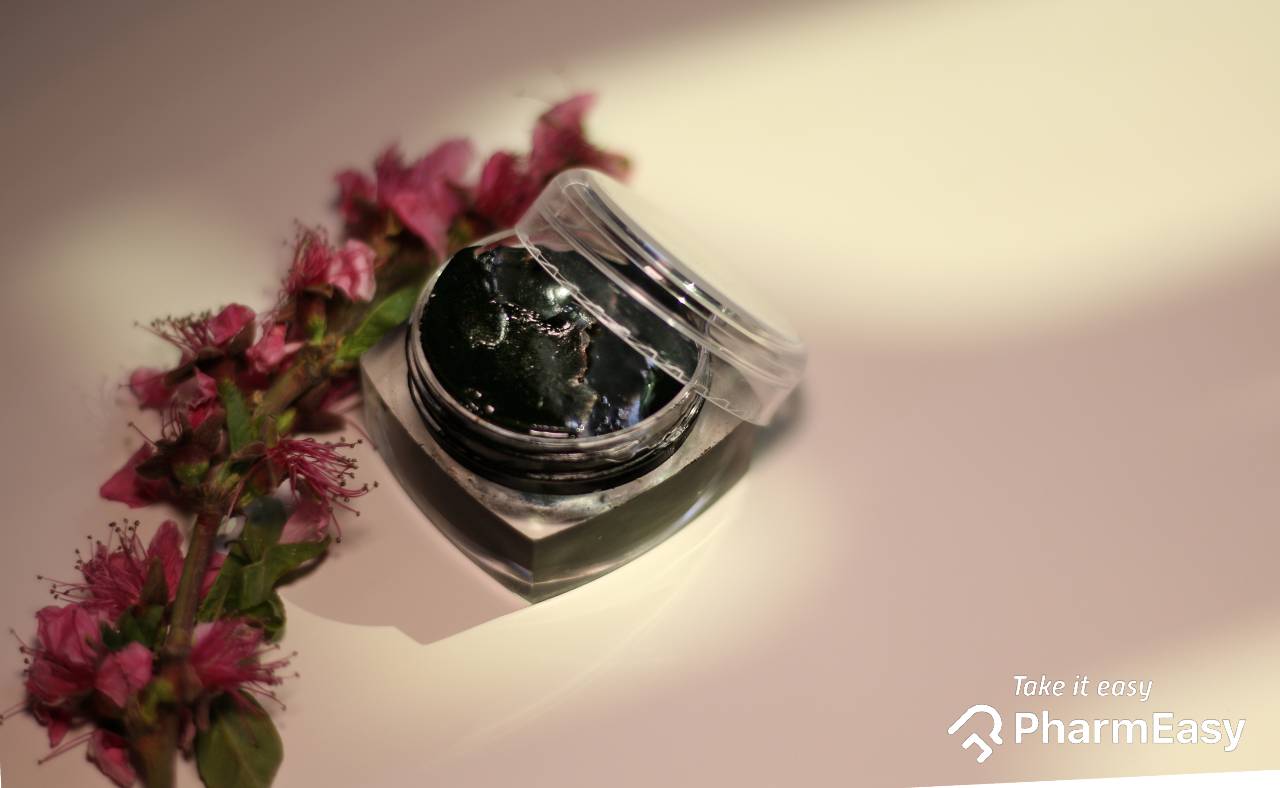
In many cases, the allure of natural remedies stems from their long history of use and perceived safety. Shilajit, a sticky, tar-like substance found primarily in the rocks of the Himalayas and other mountain ranges, is formed over centuries from the decomposition of plant matter and minerals.
Its unique composition, rich in fulvic acid, humic acid, and over 80 trace minerals, is believed to be the source of its therapeutic properties. Over 101 million Indians have diabetes (ICMR, 2023), and many seek natural ways to manage their well-being, making Shilajit a topic of growing interest.
Most people overlook this completely.
What is Shilajit?
Shilajit is not a plant or an animal product but a mineral-rich exudate that seeps out from rock layers. The process of its formation is complex, involving the slow decomposition of specific plants and microbial activity over thousands of years.
Its purity and mineral content can vary significantly depending on the geographical location and altitude from which it is harvested. The Ayurvedic texts describe it as a powerful adaptogen, meaning it helps the body adapt to stress.
Think about it this way: Imagine a natural pharmacy hidden within the mountains, slowly brewing a potent elixir from the earth's bounty. That's essentially what Shilajit is. Its transformation from plant and microbial matter into a mineral-rich resin is a testament to nature's intricate processes.
The harvesting and purification of Shilajit are crucial steps, as raw Shilajit can contain impurities that may be harmful. Reputable Ayurvedic practitioners and brands ensure rigorous purification processes to make it safe for consumption.
Recovery is rarely linear.
The Science Behind Shilajit's Advantages
While Shilajit has been a staple in Ayurvedic medicine for millennia, modern science is beginning to explore and validate its traditional uses. Research, though still in its early stages for many claims, suggests that Shilajit's primary active compounds, particularly fulvic acid, play a significant role in its well-being advantages.
Fulvic acid is known for its antioxidant properties and its ability to enhance nutrient absorption. One study published in the International Journal of Medical Science and Innovation (IJMSI) highlighted Shilajit's capacity to improve mitochondrial function, the powerhouse of our cells, which directly impacts vigor production and combating weariness.
Does this sound familiar? Many people experience vigor dips, especially during stressful periods or as they age.
Shilajit's ability to potentially boost mitochondrial function could offer a natural solution. The World Health Organization (WHO) emphasizes the importance of holistic well-being approaches, and Shilajit fits into this framework by addressing vigor output and cellular health.
1. Boosting Vigor and Combating Weariness
One of the most well-known advantages of Shilajit is its ability to increase vigor output and reduce feelings of tiredness. Its impact on mitochondrial function is key here.
By improving the efficiency of cellular vigor production, Shilajit can help combat chronic fatigue syndrome and general lethargy. A clinical trial involving healthy male volunteers showed that daily supplementation with Shilajit significantly increased ATP (adenosine triphosphate) output, the main vigor currency of the cell, compared to a placebo group.
That's the part worth remembering.
2. Enhancing Cognitive Function
Shilajit may also offer advantages for brain health. Its antioxidant properties, attributed mainly to fulvic acid, can protect brain cells from oxidative stress, a factor implicated in neurodegenerative diseases.
Some preliminary research suggests that Shilajit could boost memory and learning capabilities. While more extensive studies are needed, particularly in human populations, these early findings are promising for cognitive enhancement.
3. Supporting Male Reproductive Health
Shilajit has a long-standing reputation in Ayurveda for improving male fertility and virility. Studies have indicated that Shilajit supplementation can increase testosterone output, optimise sperm count, and enhance sperm motility in men.
A notable study published in Andrologia found that men with infertility who took Shilajit for 90 days showed marked improvements in sperm parameters. This is particularly relevant as male infertility affects a substantial percentage of couples trying to conceive.
It sounds simple. It rarely is.
4. Strengthening Bones and Improving Iron Output
The rich mineral content of Shilajit, including calcium, magnesium, and phosphorus, can contribute to bone health. It may aid in the absorption of these minerals, potentially strengthening bones and preventing conditions like osteoporosis. On top of that,, Shilajit is a good source of iron.
Iron deficiency anemia is common in India, especially among women, with an estimated 50% of women of reproductive age being anemic (WHO). Shilajit's iron content could benefit strengthen hemoglobin output and combat anemia.
5. Promoting Heart Health
Emerging research suggests Shilajit may have cardioprotective effects. Its antioxidant and anti-inflammatory properties could support protect the heart muscle from damage.
Some animal studies have shown that Shilajit can boost cardiovascular function and reduce risk factors associated with heart disease. However, human trials are necessary to confirm these advantages.
6. Supporting Immune Function
Shilajit's adaptogenic and antioxidant properties may also contribute to a stronger immune system. By reducing oxidative stress and inflammation, it can aid the body defend itself against infections and diseases.
It sounds simple. It rarely is.
This makes it a valuable supplement, especially during seasonal changes when the body is more vulnerable, much like the challenges faced during the humid Indian monsoon.
7. Potential Role in Blood Sugar Management
For individuals managing blood sugar output, Shilajit might offer some support. Preliminary studies suggest that Shilajit can enable optimise insulin sensitivity and reduce blood glucose output.
A study in diabetic rats indicated that Shilajit administration improved glycemic control. Given the high prevalence of diabetes in India, this potential advantage warrants further investigation, although it should never replace conventional medical treatment.
How to Use Shilajit
Shilajit is available in various forms, including raw resin, purified resin, powders, and capsules. The most traditional method involves dissolving a small pea-sized amount of purified Shilajit resin in warm water, milk, or herbal tea.
The recommended dosage typically ranges from 300 to 500 mg per day, but it's crucial to start with a lower dose to assess tolerance.
What should you actually do? Start small. If you're new to Shilajit, begin with the smallest effective dose. Pay attention to how your body responds. Consistency is key for experiencing potential advantages. Many people take it in the morning on an empty stomach to maximize absorption, but this can vary depending on individual digestive comfort.
Here's the thing — proper sourcing is paramount. Always purchase Shilajit from reputable suppliers who can provide evidence of purification and quality testing.
Look for brands that are transparent about their sourcing and manufacturing processes. Unpurified Shilajit can contain heavy metals and other contaminants, posing considerable well-being risks.
Potential Side Effects and Precautions
While Shilajit is generally considered safe for most adults when consumed in recommended doses, some individuals may experience side effects. These can include dizziness, headache, and nausea.
Individuals with certain medical conditions, such as gout, sickle cell anemia, or hemochromatosis (excess iron), should exercise caution or avoid Shilajit altogether, as its mineral content could exacerbate these conditions.
That alone changes everything.
Pregnant or breastfeeding women should avoid Shilajit due to a lack of sufficient safety data. If you are taking any medications, particularly those for blood pressure, diabetes, or blood thinning, consult your doctor before using Shilajit, as it may interact with these drugs.
For instance, its capacity to lower blood sugar means it could amplify the effects of diabetes medications, leading to hypoglycemia.
Worth knowing: The quality of Shilajit matters immensely. Low-quality or adulterated Shilajit can be more harmful than beneficial. Always ensure you are buying a purified and tested product. Reputable institutions like AIIMS often advise on the quality standards for such supplements in India.
Shilajit and Indian Culture
In India, Shilajit is deeply embedded in traditional practices. It's often associated with longevity and vitality, particularly in Ayurvedic traditions and among communities living in mountainous regions.
During festivals, while diets can become rich and heavy, traditional practitioners might recommend Shilajit to benefit the body cope with dietary changes and maintain balance. Its use is often passed down through generations, symbolizing a connection to ancient wisdom and the healing power of nature.
This is where most patients struggle.
Consider the practice of sitting on the floor, typical in many Indian households, especially during meals or religious ceremonies. This requires a certain level of physical strength and stamina, which traditional beliefs attribute, in part, to substances like Shilajit.
The belief is that maintaining bodily strength and agility is essential for performing daily rituals and maintaining an active life, irrespective of age.
Conclusion: A Powerful Supplement with Caveats
Shilajit is a remarkable natural substance with a wide array of potential well-being advantages, ranging from vigor enhancement and cognitive support to improved male fertility and bone health. Its rich mineral and fulvic acid content makes it a valuable addition to a holistic well-being regimen.
However, it is not a magic cure-all. Its efficacy and safety depend heavily on the quality of the product and individual well-being conditions.
The scientific community continues to explore Shilajit's therapeutic potential, with ongoing research shedding light on its mechanisms of action. While promising, many of the advantages require more robust clinical trials in humans to be definitively established.
The Institute of Chartered Accountants (ICAI) might not regulate well-being supplements, but organizations like the Indian Council of Medical Research (ICMR) provide guidelines on well-being research. Always remember that natural does not always mean safe for everyone.
Most people overlook this completely.
Key Takeaways
- Shilajit is a mineral-rich resin from the Himalayas, traditionally used in Ayurveda for vigor and vitality.
- Its primary active compound, fulvic acid, contributes to antioxidant and anti-inflammatory effects.
- Potential advantages include boosting vigor, improving cognitive function, supporting male fertility, and strengthening bones.
- It is crucial to use purified, high-quality Shilajit from reputable sources to avoid contaminants.
- Consult a healthcare professional before starting Shilajit, especially if you have pre-existing medical conditions or are taking medications.
Always consult a qualified physician before making any medical decisions.