शिलाजीत (Shilajit): उपयोग, लाभ और साइड इफ़ेक्ट — एक भारतीय परिप्रेक्ष्य
Meena, 45, a homemaker from Jaipur, noticed her vitality diminishing after the monsoons. Coupled with persistent joint pain, she felt her usual vigour draining away. Her grandmother, a staunch believer in traditional remedies, suggested trying Shilajit, a substance often touted for its revitalizing properties.
This isn't an uncommon story in India, where ancient wisdom often intersects with modern wellness concerns. But what exactly is Shilajit, and does it live up to its reputation?
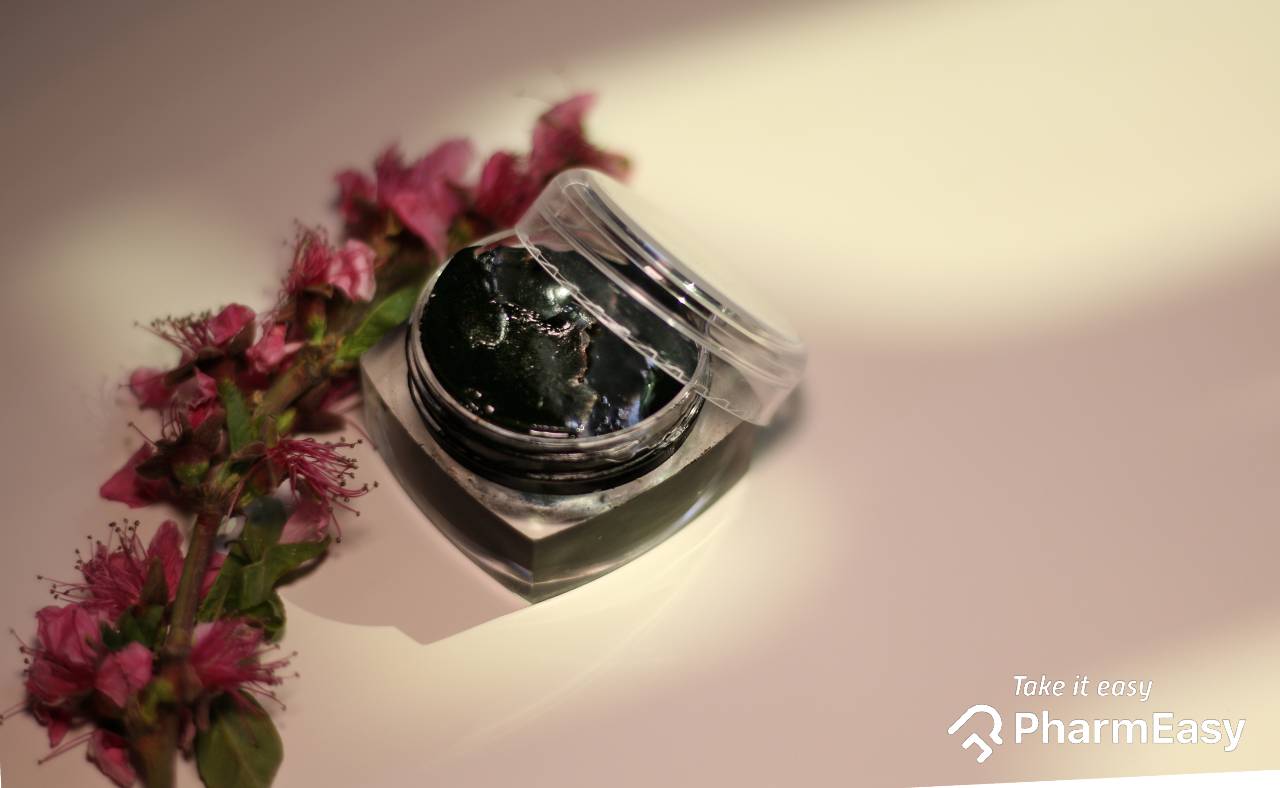
Practically speaking, Shilajit is a sticky, tar-like substance found primarily in the Himalayan mountain ranges. It forms over centuries from the decomposition of plant matter and minerals.
Rich in fulvic acid, humic acid, and a host of essential minerals, it's revered in Ayurveda for its adaptogenic and rejuvenating qualities. The reality is, while its origins are steeped in tradition, modern science is also beginning to explore its therapeutic applications.
What is Shilajit?
Shilajit, often referred to as the "blood of the mountains" or "destroyer of weakness" in Sanskrit, is a natural exudate derived from rocks. Its formation is a slow, geological process involving the breakdown of specific plant materials and microbial activity over thousands of years.
The resulting substance is a complex mixture of organic and inorganic compounds. The primary active components are believed to be fulvic acid and dibenzo-α-pyrones (DBPs), which are thought to be responsible for many of its wellness benefits.
Most people overlook this completely.
The harvesting and purification of Shilajit are crucial steps. Raw Shilajit can contain impurities, including heavy metals and fungal elements, which can be harmful. Reputable Ayurvedic practitioners and manufacturers follow rigorous purification processes to ensure the final product is safe and effective.
This process often involves multiple stages of washing, filtration, and sometimes heating. Have you ever wondered why the purity of natural supplements is so vital? It directly impacts their safety and efficacy.
The Science Behind Shilajit's Benefits
While traditional knowledge has lauded Shilajit for centuries, modern research is starting to validate some of these claims. The high fulvic acid content is a key area of focus. Fulvic acid acts as a powerful antioxidant and anti-inflammatory agent.
It may also help improve nutrient absorption and cellular energy production. The presence of over 84 minerals in ionic form is another significant aspect, potentially helping to replenish mineral deficiencies in the body.
That's the part worth remembering.
A study published in the International Journal of Medical Sciences highlighted Shilajit's potential role in improving mitochondrial function. Mitochondria are the powerhouses of our cells, and their efficient functioning is critical for energy production and overall wellness. Improved mitochondrial function could translate to increased vitality and reduced fatigue.
Potential Wellness Benefits of Shilajit
The purported benefits of Shilajit are extensive, ranging from boosting vitality to supporting cognitive function. Let's explore some of the most meaningful ones, backed by available research and traditional understanding.
Vitality and Stamina
One of the most common reasons people turn to Shilajit is its potential to combat fatigue and boost vitality. Its ability to enhance mitochondrial function is believed to play a crucial role here.
For individuals experiencing chronic fatigue, a condition affecting millions globally, Shilajit might offer a natural avenue for relief. It's thought to support the body adapt to stress, further contributing to sustained vitality.
Cognitive Function and Brain Health
Emerging research suggests Shilajit may have neuroprotective properties. Fulvic acid, in particular, is being studied for its potential to reduce inflammation in the brain and protect neurons from damage.
Some studies indicate it might aid in improving memory and cognitive performance. This is particularly relevant given the rising concerns about cognitive decline in an aging population worldwide.
Iron Deficiency Anemia
Iron deficiency anemia is a prevalent wellness issue, especially among women in India. The International Anemia Consortium reports that globally, over 1.5 billion people suffer from anemia, with iron deficiency being the leading cause. Shilajit, being rich in iron and humic substances that enhance iron absorption, has shown promise in improving hemoglobin counts. A study in the Journal of Trace Elements in Medicine and Biology found that Shilajit supplementation significantly increased hemoglobin, ferritin, and serum iron counts in anaemic individuals.
Anti-aging Properties
The antioxidant properties of Shilajit are central to its reputation as an anti-aging agent. By combating free radicals—unstable molecules that damage cells and contribute to aging—Shilajit may aid slow down the aging process.
Here's where it gets interesting.
Fulvic acid's role in cellular repair and regeneration is also considered marked. The World Health Organization (WHO) notes that aging is associated with a higher risk of chronic diseases, making anti-aging strategies that focus on cellular health increasingly important.
Heart Health
Some animal studies have suggested that Shilajit may have protective effects on the heart. It's believed to benefit strengthen cardiovascular function and reduce the possibility of heart disease, potentially due to its antioxidant and anti-inflammatory actions. However, more human clinical trials are needed to confirm these effects.
Altitude Sickness
Traditionally, Shilajit has been used by people living at high altitudes to cope with the physiological stress associated with lower oxygen availability. It's thought to benefit the body adapt to these conditions by improving oxygen utilization and metabolic processes.
This traditional use is being explored for its potential benefits in preventing or mitigating altitude sickness symptoms.
Male Reproductive Health
Shilajit is perhaps most widely known in India for its effects on male vitality. Research indicates it may assist boost testosterone counts, elevate sperm count, and enhance sperm motility.
A double-blind, placebo-controlled study involving healthy men found that Shilajit supplementation led to a notable increase in total testosterone counts. The International Diabetes Federation (IDF) highlights that diabetes, a growing concern in India, can impact male reproductive health, making supportive therapies potentially valuable.
Recovery is rarely linear.
How to Use Shilajit
Using Shilajit correctly is paramount for safety and efficacy. It typically comes in purified resin or powder form. The recommended dosage varies depending on the product's purity and concentration, as well as the individual's wellness status.
Dosage: Generally, a small pea-sized amount (about 300-500 mg) taken once or twice daily is considered standard. However, it's always best to follow the specific instructions provided by the manufacturer or your healthcare provider.
How to take: Shilajit resin can be dissolved in warm water, milk, or herbal tea. It has a distinct, somewhat earthy or bitter taste that some find challenging. Taking it with honey or a flavourful beverage can support mask the taste.
When to take: It's often recommended to take Shilajit in the morning on an empty stomach to maximize absorption. However, if it causes any digestive discomfort, taking it after a meal might be preferable.
What should you actually do? Always start with a very small dose to assess your body's reaction. Gradually increase the dosage if well-tolerated. Consistency is key; many find benefits after several weeks of regular use.
Potential Side Effects and Precautions
While Shilajit is generally considered safe for most adults when consumed in appropriate doses, certain precautions are necessary. Honestly, no supplement is entirely without potential risks.
Who should avoid Shilajit?
- Pregnant or breastfeeding women should avoid it due to a lack of safety data.
- Individuals with certain medical conditions, such as gout, sickle cell anemia, or hemochromatosis (iron overload), should consult their doctor.
- Those with a history of kidney stones should exercise caution, as some components might contribute to stone formation in susceptible individuals.
- People allergic to Shilajit or its components must avoid it.
Potential Side Effects
Consuming excessive amounts or impure Shilajit can lead to adverse effects. These may include:
- Increased heart rate
- Dizziness
- Headaches
- Allergic reactions (skin rash, itching)
- Fever
- Nausea or vomiting (especially if taken on an empty stomach in large doses)
It is crucial to source Shilajit from reputable suppliers who guarantee purity and proper processing. Unprocessed or poorly purified Shilajit can contain heavy metals and other contaminants, posing serious wellness risks. Think of it like choosing fresh ingredients for a festival feast — quality matters immensely.
Shilajit in Indian Culture
Shilajit holds a special place in Indian traditional medicine and culture. Its association with the Himalayas, the sacred mountains, imbues it with a sense of mystique and power.
Ayurvedic texts have described its properties for millennia, considering it a 'Rasayana' – a rejuvenator that promotes longevity and vitality. Its use is often integrated into holistic wellness practices, especially for those seeking natural ways to enhance physical and mental well-being.
The numbers don't lie.
The preparation and consumption of Ayurvedic remedies often involve specific rituals and timings, reflecting a deeper connection to nature and the body's rhythms. For instance, consuming it with warm milk, a staple in many Indian households, is a frequent practice.
This cultural integration makes Shilajit more than just a supplement; it's a part of a time-honoured wellness philosophy.
Key Takeaways
- Shilajit is a mineral-rich substance from the Himalayas, traditionally used in Ayurveda for rejuvenation and vitality.
- Its primary active components, like fulvic acid, are associated with antioxidant, anti-inflammatory, and vitality-boosting effects.
- Potential benefits include increased vitality, improved cognitive function, support for anemia, and enhanced male reproductive health.
- It is crucial to use purified Shilajit from reputable sources and start with low doses to avoid side effects.
- Individuals with specific wellness conditions should consult a doctor before use.
Always consult a qualified physician before making any medical decisions.