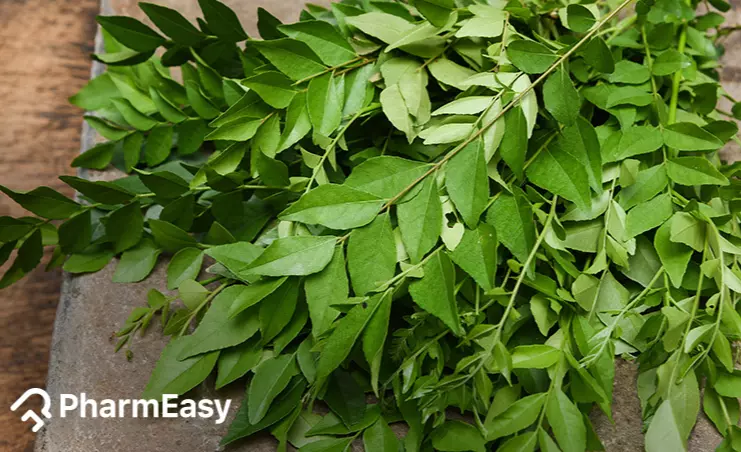
करी पत्ता (Curry Leaves): पोषण, भारतीय रसोई का अनमोल रत्न
Meena, 45, a homemaker from Jaipur, experienced a persistent metallic taste and a general feeling of sluggishness. For weeks, her digestion felt unsettled, and she attributed it to the rich festive diet during Diwali. However, when her usual home remedies for an upset stomach proved ineffective, she decided to consult her local doctor.
During their conversation, Meena mentioned she had stopped adding fresh curry leaves to her daily cooking, a practice her mother had always emphasized. This seemingly minor change, her doctor explained, might be contributing to her current discomfort, underscoring the often-underestimated power of this aromatic herb.
The truth is, for millions of Indians, curry leaves, or 'kari patta' as they are affectionately known in Hindi, are more than just a culinary addition. They are a staple in our culinary traditions, deeply interwoven into the fabric of Indian households. From the bustling streets of Delhi to the serene backwaters of Kerala, the fragrance of tempering (tadka) infused with curry leaves is a comforting familiarity. But have you ever pondered why this herb is so highly regarded? Is it solely its distinctive aroma, or does it hold deeper secrets concerning our well-being?
करी पत्ता का पोषण मूल्य (Nutritional Value of Curry Leaves)
Consider this: a small quantity of fresh curry leaves, typically used in a single dish, provides a surprisingly potent nutritional boost. While often overshadowed by the main ingredients, these small foliage are a reservoir of vitamins and minerals.
4 grams of carbohydrates. More critically, they are abundant in Vitamin A, Vitamin C, Vitamin B complex (including folate), and minerals like iron, calcium, and phosphorus.
Indeed, the micronutrient density is extraordinary. They contain substantial amounts of antioxidants, such as beta-carotene and various flavonoids like quercetin and kaempferol. These compounds are essential for combating oxidative stress in the body.
That's the part worth remembering.
For instance, the Vitamin A content alone is considerable, contributing significantly to daily requirements, which is vital for vision and immune function. The presence of iron is also significant; deficiency in this mineral is a widespread issue in India, impacting millions.
करी पत्ता के स्वास्थ्य लाभ (Health Benefits of Curry Leaves)
The medicinal properties of curry leaves have been acknowledged in traditional Indian healing systems, like Ayurveda, for centuries. Contemporary research is now beginning to affirm these age-old assertions, offering scientific validation for the advantages derived from this humble herb.
मधुमेह प्रबंधन में करी पत्ता (Curry Leaves in Diabetes Management)
One of the most substantial advantages frequently discussed is the potential role of curry leaves in managing diabetes. Studies indicate that curry leaves may assist in regulating blood sugar levels. The proposed mechanism involves slowing the conversion of carbohydrates into glucose and enhancing insulin activity. Research published in journals such as the Journal of Ethnopharmacology has investigated these effects, suggesting that compounds present in curry leaves could influence carbohydrate metabolism. With over 101 million Indians estimated to have diabetes (ICMR, 2023), effective dietary management strategies are crucial. Incorporating curry leaves into meals could be a straightforward yet valuable dietary addition for individuals managing their blood glucose levels.
पाचन स्वास्थ्य को बढ़ावा (Promoting Digestive Health)
Ever wondered why curry leaves are almost always included in tempering or tadka? It's not solely for taste. These foliage contain digestive enzymes and possess carminative qualities, which help relieve gas, bloating, and indigestion. They encourage the secretion of digestive fluids, aiding in food breakdown. Many Indians, particularly those who follow traditional eating practices involving sitting on the floor for meals, might experience digestive discomfort. Consuming curry leaves regularly can support a more robust digestive system, making meals more comfortable and advantageous.
हृदय स्वास्थ्य के लिए फायदेमंद (Beneficial for Heart Health)
The antioxidant qualities of curry leaves are instrumental in safeguarding the heart. They benefit combat oxidative stress, which is associated with the development of cardiovascular ailments.
Additionally, some investigations suggest that curry leaves might aid in reducing LDL (bad) cholesterol levels and preventing cholesterol oxidation, thereby lowering the risk of atherosclerosis—a condition characterized by plaque buildup within arteries. Considering that cardiovascular diseases remain a primary cause of mortality in India, any natural dietary support is invaluable.
एंटीऑक्सीडेंट और एंटी-इंफ्लेमेटरी गुण (Antioxidant and Anti-inflammatory Properties)
Curry leaves are rich in potent antioxidants like beta-carotene, lutein, and various phenolic compounds. These antioxidants neutralize harmful free radicals in the body, shielding cells from damage and diminishing the danger of chronic illnesses, including certain cancers.
The numbers don't lie.
Their anti-inflammatory attributes can also assist manage inflammatory conditions. The World Health Organization (WHO) emphasizes the role of diet in preventing non-communicable diseases, and curry leaves, with their rich antioxidant profile, align well with this preventive approach.
बालों और त्वचा के स्वास्थ्य में योगदान (Contribution to Hair and Skin Health)
The advantages extend beyond internal well-being. Numerous traditional beauty regimens in India use curry leaves for hair and skin. The beta-carotene and vitamin A in curry leaves are thought to encourage hair growth and fortify hair follicles, potentially averting premature greying and hair loss.
For skin, the antioxidants can assist in combating signs of aging and maintaining a youthful complexion. Applying a paste of curry leaves or using curry leaf oil are common folk remedies.
वजन प्रबंधन में सहायता (Aiding in Weight Management)
The reality is, while not a miracle cure, curry leaves can be a supportive component in weight management. Their compounds may assist in breaking down fat deposits and regulating cholesterol levels. Their inclusion in appetizing, wholesome dishes can also make weight-conscious eating more enjoyable, reducing reliance on high-fat seasonings.
भारतीय व्यंजनों में करी पत्ता का उपयोग (Uses of Curry Leaves in Indian Cuisine)
Curry leaves are fundamental to the taste profile of South Indian cooking, yet their application is widespread throughout India. They are most frequently employed in tempering, referred to as tadka or chaunk. Fresh curry leaves are typically lightly fried in hot oil or ghee alongside other spices like mustard seeds, cumin seeds, and asafoetida. This technique releases their essential oils and distinctive aroma, imbuing the entire dish with their character.
They are added to lentil dishes (dal), vegetable stir-fries (sabzi), curries, rice preparations (such as pulao and biryani), chutneys, and snacks. The foliage are usually removed after cooking, although in some dishes, they are finely minced and consumed.
Most people overlook this completely.
The monsoon season in India often inspires a craving for warm, satisfying foods, and curry leaves are a widespread ingredient in many dishes prepared during this period, contributing both taste and perceived wellness.
सावधानियां और विचार (Precautions and Considerations)
While curry leaves are generally safe for consumption as part of a balanced diet, moderation is advisable. There is limited scientific data concerning the effects of consuming very large quantities, particularly in medicinal contexts. Pregnant and breastfeeding individuals should exercise caution and consult their physician before using curry leaves therapeutically.
Those with specific health conditions or on medication should also seek professional medical guidance. What should you actually do? Incorporate them naturally into your cooking, savor their aroma and taste, and trust in the traditional wisdom of their use, while staying informed about their potential advantages.
मुख्य बातें (Key Takeaways)
- करी पत्ता विटामिन ए, सी, बी कॉम्प्लेक्स, आयरन और कैल्शियम जैसे पोषक तत्वों से भरपूर होता है।
- यह एंटीऑक्सीडेंट्स का एक उत्कृष्ट स्रोत है, जो शरीर को फ्री रेडिकल्स से होने वाले नुकसान से बचाता है।
- करी पत्ता रक्त शर्करा के स्तर को नियंत्रित करने में मदद कर सकता है, जो मधुमेह प्रबंधन के लिए फायदेमंद है।
- परंपरागत रूप से, इसका उपयोग पाचन में सुधार और पेट फूलने जैसी समस्याओं को कम करने के लिए किया जाता है।
- हृदय स्वास्थ्य को बढ़ावा देने और बालों व त्वचा की देखभाल में भी इसके लाभ देखे गए हैं।
Always consult a qualified physician before making any medical decisions.