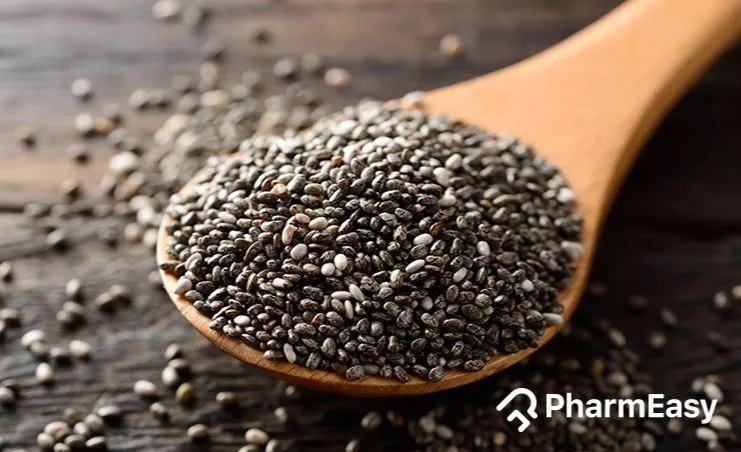
चिया सीड्स (Chia Seeds): छोटा बीज, बड़ा पोषण!
Meena, 45, a homemaker from Jaipur, noticed her energy levels dipping significantly by mid-afternoon. She often felt bloated and struggled with occasional constipation. Her doctor, concerned about her rising cholesterol, suggested incorporating more plant-based roughage into her diet. After researching, Meena decided to try chia seeds, a tiny wonder seed that has gained immense popularity for its wellness benefits.
Within a few weeks, she felt a noticeable difference. Her digestion improved, she felt fuller for longer, and her energy levels were more stable throughout the day. Meena’s story is not unique; millions in India are discovering the power of these ancient seeds.
The reality is, our traditional Indian diets, while rich in many nutrients, sometimes lack sufficient soluble roughage and omega-3 fatty acids, which are crucial for modern lifestyles. Chia seeds, originating from the *Salvia hispanica* plant, native to Mexico and Guatemala, offer a concentrated source of these vital nutrients. They are tiny black or white seeds, but their nutritional punch is immense.
9 grams of roughage, and significant amounts of calcium, manganese, magnesium, and phosphorus. This makes them a powerhouse addition to any diet, especially for those looking to manage chronic conditions like diabetes or heart disease.
That alone changes everything.
चिया सीड्स के स्वास्थ्य लाभ (Health Benefits of Chia Seeds)
1. पाचन स्वास्थ्य में सुधार (Improved Digestive Health)
Think about it this way: the high roughage content in chia seeds is a game-changer for gut health. These seeds are particularly rich in soluble roughage, which forms a gel-like substance when mixed with liquid. This gel aids in softening stool, preventing constipation, and promoting regular bowel movements.
A study published in the *Journal of Nutrition* highlighted that increased roughage consumption is directly linked to a healthier gut microbiome. For many Indians, accustomed to roughage-rich dals and vegetables, incorporating chia seeds offers an easy way to boost their daily consumption, especially during monsoon seasons when fresh vegetable availability can be inconsistent. Over 101 million Indians have diabetes (ICMR, 2023), a condition often exacerbated by poor digestive health and fluctuating glucose levels, which chia seeds can help mitigate.
2. हृदय स्वास्थ्य को बढ़ावा (Boosts Heart Health)
What most people miss is the potent combination of roughage, omega-3 fatty acids, and antioxidants in chia seeds. The alpha-linolenic acid (ALA), a type of omega-3 fatty acid found abundantly in chia seeds, is known for its anti-inflammatory properties. These fatty acids can benefit lower blood pressure, reduce triglycerides, and prevent the formation of clots, all of which are critical for maintaining a healthy cardiovascular system.
The World Health Organization (WHO) recommends limiting saturated fats and trans fats, and chia seeds provide a plant-based alternative rich in heart-healthy fats. High cholesterol levels are a growing concern; research indicates that regular consumption of chia seeds can contribute to a reduction in LDL (bad) cholesterol and increase HDL (good) cholesterol. This is particularly relevant in urban India where sedentary lifestyles and rich festive diets (like those during Diwali) can negatively impact cardiac health.
That alone changes everything.
3. रक्त शर्करा प्रबंधन (Blood Sugar Management)
Have you ever wondered why? Chia seeds possess a remarkable ability to enable regulate glucose levels. The soluble roughage forms a physical barrier in the digestive tract, slowing down the absorption of sugar into the bloodstream after a meal. This prevents sharp spikes and subsequent crashes in glucose, which is invaluable for individuals with type 2 diabetes.
The International Diabetes Federation (IDF) estimates that India has the second-highest number of people with diabetes globally. Incorporating chia seeds into breakfast, like sprinkling them over poha or adding them to idli batter, can lead to a more sustained energy release throughout the morning. This effect can significantly improve glycemic control, a key factor in managing diabetes.
4. हड्डियों को मजबूती (Strengthens Bones)
For many Indian families, particularly those who traditionally sit on the floor for meals or perform yoga, strong bones are essential. Chia seeds are an excellent source of several minerals vital for bone health, including calcium, phosphorus, and magnesium. In fact, just two tablespoons of chia seeds provide more calcium than a small bowl of traditional curd or yogurt.
This makes them a fantastic option for vegetarians and vegans, or anyone looking to increase their intake of these bone-strengthening minerals. Adequate consumption of these nutrients is crucial for preventing osteoporosis, a problem that affects millions worldwide.
That alone changes everything.
5. वजन प्रबंधन में सहायक (Aids in Weight Management)
The combination of protein and roughage in chia seeds makes them incredibly satiating. When consumed, they absorb liquid and expand in your stomach, promoting a feeling of fullness that can support curb appetite and reduce overall calorie consumption. This makes them a valuable ally for individuals aiming for weight loss.
A 2015 study in the *Journal of Obesity Research and Clinical Practice* found that consuming chia seeds with liquid increased feelings of fullness and reduced food consumption. Honestly, achieving a healthy weight is a journey, and adding chia seeds to smoothies or oatmeal can make that journey more manageable by helping control hunger pangs.
6. एंटीऑक्सीडेंट से भरपूर (Rich in Antioxidants)
Antioxidants are crucial for fighting free radicals in the body, which can cause cellular damage and contribute to aging and diseases like cancer. Chia seeds are packed with antioxidants, which not only protect the delicate fats in the seeds but also offer wellness benefits to the consumer.
These compounds benefit combat oxidative stress, thereby supporting overall well-being and potentially reducing the risk of chronic illnesses. The presence of these protective compounds is a considerable advantage of including chia seeds in your diet.
That's the part worth remembering.
चिया सीड्स का उपयोग कैसे करें (How to Use Chia Seeds)
Using chia seeds is incredibly versatile. They have a mild, nutty flavor that doesn't overpower other ingredients. Here are some popular ways to incorporate them into your diet:
- Soaked Chia Seeds (Chia Pudding): Mix 2-3 tablespoons of chia seeds with 1 cup of milk (dairy or plant-based) or liquid. Let it sit for at least 20-30 minutes, or preferably overnight in the refrigerator. It will thicken into a pudding-like consistency. You can add fruits, nuts, or a sweetener like honey or maple syrup.
- Smoothies and Shakes: Add a tablespoon or two of chia seeds directly to your favorite smoothie or shake for an extra boost of roughage and nutrients. They will thicken the smoothie slightly.
- Oatmeal and Cereals: Sprinkle chia seeds over your morning oatmeal, cereal, or yogurt.
- Baking: Incorporate chia seeds into muffins, bread, pancakes, or energy bars. They can also be used as an egg substitute in some recipes by mixing 1 tablespoon of chia seeds with 3 tablespoons of liquid and letting it sit for 5 minutes to form a gel.
- Salads and Dressings: Add a teaspoon of chia seeds to salads or mix them into salad dressings for added texture and nutrition.
- Liquid: Stir 1-2 teaspoons of chia seeds into a glass of liquid or juice and let it sit for a few minutes until they start to gel. This is a simple way to stay hydrated and get a dose of roughage.
What should you actually do? Start small. Begin with a teaspoon or two per day and gradually increase the amount as your body adjusts, especially considering the high roughage content. Ensure adequate liquid consumption when consuming chia seeds, as they absorb a lot of fluid.
चिया सीड्स के साइड इफेक्ट्स (Side Effects of Chia Seeds)
While chia seeds are generally safe for most people when consumed in moderation, some side effects can occur, particularly if you increase your consumption too quickly or don't drink enough liquid. Honestly, understanding potential downsides is just as important as knowing the benefits.
- Digestive Issues: The high roughage content can cause bloating, gas, or diarrhea if consumed in large quantities, especially if your body is not used to a high-roughage diet. Starting with small amounts and increasing gradually, along with plenty of liquid, can enable mitigate this.
- Allergic Reactions: Though rare, some individuals may be allergic to chia seeds. If you experience itching, hives, or difficulty breathing after consumption, seek medical attention immediately.
- Blood Thinning: Due to their omega-3 content, chia seeds may have a mild blood-thinning effect. People taking anticoagulant medications (thinners) should consult their doctor before adding chia seeds to their diet regularly.
- Interactions with Medications: Chia seeds can potentially interact with certain medications, including blood pressure drugs and diabetes medications, due to their effects on glucose and blood pressure. Always discuss major dietary changes with your healthcare provider.
- Choking Hazard: Dry chia seeds absorb liquid rapidly and can expand significantly. If consumed dry without sufficient liquid, they could potentially pose a choking hazard, especially for individuals with swallowing difficulties. It is always recommended to soak them or consume them with liquids.
Think about it this way: the key is moderation and proper hydration. For most people, the benefits far outweigh the risks when chia seeds are consumed responsibly.
चिया सीड्स और विशेष स्थितियाँ (Chia Seeds and Special Conditions)
1. गर्भावस्था और स्तनपान (Pregnancy and Breastfeeding)
Chia seeds can be a nutritious addition during pregnancy and breastfeeding, providing essential nutrients like roughage, protein, calcium, and omega-3 fatty acids, which are crucial for both mother and baby. However, as with any dietary change during this sensitive period, consulting a doctor or a registered dietitian is highly recommended to ensure appropriate dosage and suitability.
2. मधुमेह (Diabetes)
Going back to what we discussed, chia seeds can be beneficial for managing glucose levels due to their high roughage content. They may support enhance insulin sensitivity and reduce glucose spikes. However, individuals with diabetes should monitor their glucose levels closely and consult their healthcare provider before making meaningful changes to their diet.
It sounds simple. It rarely is.
3. उच्च रक्तचाप (High Blood Pressure)
The omega-3 fatty acids and roughage in chia seeds may contribute to lowering blood pressure. However, they should not be considered a replacement for prescribed blood pressure medications. Always follow your doctor's advice.
चिया सीड्स के बारे में अक्सर पूछे जाने वाले प्रश्न (FAQs about Chia Seeds)
Q1: क्या मैं हर दिन चिया सीड्स खा सकता हूँ?
Yes, you can consume chia seeds daily, but in moderation. A typical recommended daily intake is about 1-2 tablespoons (15-30 grams). Starting with a smaller amount and gradually increasing is advisable to avoid digestive discomfort.
Q2: चिया सीड्स को भिगोना क्यों ज़रूरी है?
Soaking chia seeds helps them to gel and become easier to digest. It also allows them to absorb liquid, which can contribute to hydration and prevent them from absorbing too much liquid in your digestive tract, potentially causing issues.
Q3: क्या चिया सीड्स वजन घटाने में मदद करते हैं?
Yes, they can aid in weight management by promoting satiety due to their roughage and protein content, which helps control appetite and reduce overall calorie consumption. However, they are not a magic bullet and should be part of a balanced diet and exercise routine.
It sounds simple. It rarely is.
Q4: चिया सीड्स को कैसे स्टोर करें?
Store chia seeds in an airtight container in a cool, dry place, away from direct sunlight. They have a long shelf life and do not typically require refrigeration.
मुख्य बातें (Key Takeaways)
- Chia seeds are nutrient-dense, offering major amounts of roughage, omega-3 fatty acids, protein, calcium, magnesium, and phosphorus.
- They can significantly benefit digestive health, cardiovascular health, and glucose management.
- Their high roughage and protein content makes them an excellent food for promoting satiety and aiding in weight management.
- While generally safe, consuming too many chia seeds too quickly or without adequate liquid can lead to digestive issues.
- Always consult a qualified physician before making any medical decisions.