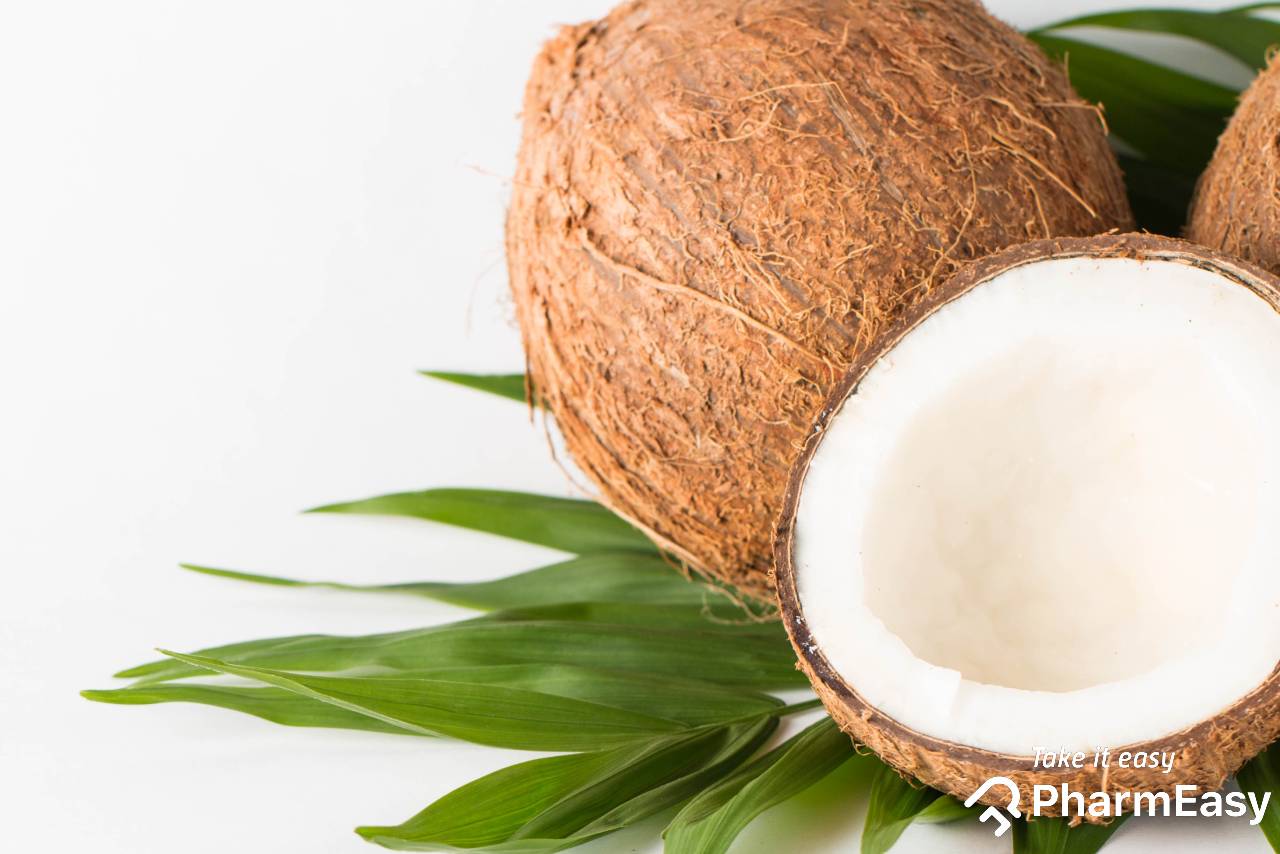
नारियल: प्रकृति का एक वरदान
Meena, 45, a homemaker from Jaipur, noticed her skin becoming unusually dry and brittle, especially after the monsoon season. Her grandmother, a staunch believer in traditional remedies, suggested applying coconut oil. Within weeks, Meena saw a remarkable improvement. This anecdote highlights the profound and often underestimated advantages of this fruit, deeply woven into the fabric of Indian culture and cuisine.
From religious ceremonies to everyday cooking and skincare, this tropical product plays a vital role. But beyond its cultural significance, does it hold substantial health advantages? Let's explore the science behind this versatile gift from nature.
The coconut palm (Cocos nucifera) is often called the 'tree of life' for good reason. Its fruit, water, milk, and oil are used in myriad ways.
In India, these palms are particularly significant in South Indian cuisine, where they form the base of many dishes, and in Ayurvedic practices, which have utilized this fruit for centuries to treat various ailments. The sheer ubiquity of this tropical produce in India, from the coastal regions to its use in temple offerings during festivals like Onam, underscores its importance.
पोषण संबंधी प्रोफ़ाइल: नारियल में क्या है?
Understanding the nutritional composition of this fruit is key to appreciating its advantages. It is rich in fats, primarily medium-chain triglycerides (MCTs). These fats are metabolized differently than long-chain fatty acids; they are transported directly to the liver and can be used as an energy source or converted into ketones.
It sounds simple. It rarely is.
5 grams of fat. Importantly, about 90% of this fat is saturated, a fact that has historically led to some controversy regarding its health impact. However, the nature of these saturated fats—largely MCTs like lauric acid—sets them apart from saturated fats found in animal products.
The water from this fruit, on the other hand, is a low-calorie, nutrient-dense beverage. A 240ml serving typically provides around 45 calories, 10 grams of carbohydrates, and essential electrolytes like potassium (about 600mg), sodium, and magnesium.
This makes it an excellent natural hydrator, particularly advantageous in the hot Indian climate. Think about it this way: it’s nature's own sports drink, rehydrating and replenishing vital minerals lost through sweat.
स्वास्थ्य लाभ: नारियल आपके शरीर के लिए क्या कर सकता है?
हृदय स्वास्थ्य
The role of oil from this fruit in heart health has been a subject of much debate. While saturated fats were historically linked to increased LDL ('bad') cholesterol and heart disease risk, recent findings suggest a more complex picture, especially concerning MCTs. Studies, including some highlighted by the Coconut Research Center, indicate that the MCTs in the oil may help increase HDL ('good') cholesterol levels.
Most people overlook this completely.
While the oil might raise LDL cholesterol, it often does so without proportionally increasing the LDL/HDL ratio, which is considered a better predictor of heart disease possibility. In many cases, the impact on cholesterol is less pronounced than with other saturated fats. A study published in the *Journal of the American College of Nutrition* found that virgin oil consumption increased HDL cholesterol significantly in women.
वजन प्रबंधन
The MCTs found in this fruit are particularly interesting for weight management. Because they are metabolized quickly, they can increase feelings of fullness (satiety) and boost metabolism, potentially leading to reduced calorie intake and increased fat burning. Some studies, like those reviewed by the World Health Organization (WHO) concerning dietary fats, suggest that incorporating MCTs into the diet may aid in reducing body weight and abdominal fat.
So what does that mean for you? It suggests that moderate consumption of products derived from this tropical produce, as part of a balanced diet, could be a helpful component in weight management strategies.
मस्तिष्क कार्य
The ketones produced from the breakdown of MCTs can serve as an alternative energy source for the brain. This has led to investigation into the oil's potential advantages for cognitive function, particularly in conditions like Alzheimer's disease, where brain glucose metabolism may be impaired.
Recovery is rarely linear.
While investigation is ongoing and more human trials are needed, preliminary findings are promising. The brain, like other organs, can use ketones for fuel when glucose is not readily available.
सूक्ष्मजीव-रोधी गुण
Lauric acid, the primary fatty acid in the oil (making up about 50% of its fat content), possesses potent antimicrobial and antifungal properties. When digested, it forms monolaurin, a substance that can enable kill pathogens like bacteria, viruses, and fungi.
This property has led to its traditional use in treating infections and its inclusion in natural hygiene products. Worth knowing: This antimicrobial action is one reason why the oil is often used topically for skin infections.
त्वचा और बालों की देखभाल
Perhaps one of the most widely recognized uses of the oil is in skincare and haircare. Its moisturizing properties are well-documented. Applied topically, it can penetrate the hair shaft, reducing protein loss and preventing damage. For the skin, it acts as an excellent emollient, softening and hydrating the skin.
Does this sound familiar? Many Indian households have long relied on this oil for everything from a baby's first massage oil to a remedy for dry, flaky scalp. Its ability to improve skin hydration and barrier function is supported by findings published in journals like the *International Journal of Molecular Sciences*.
Most people overlook this completely.
नारियल का उपयोग कैसे करें
Incorporating this fruit into your diet and lifestyle is relatively easy. Here are some practical ways:
- Cooking: Use virgin oil for sautéing vegetables, baking, or as a replacement for butter or other oils in recipes. Its distinct flavour can enhance dishes, especially curries and South Indian preparations.
- Beverages: Drink fresh water directly from the tender fruit for natural hydration. You can also add it to smoothies or use it as a base for mocktails.
- Dietary Additions: Shredded or desiccated pieces can be added to oatmeal, yogurt, salads, and desserts for texture and flavour. The milk is a fantastic dairy-free alternative in curries, soups, and sauces.
- Topical Use: Apply virgin oil to your skin as a moisturizer, makeup remover, or massage oil. Use it on your hair as a pre-shampoo treatment or conditioner.
Practically speaking, starting with small amounts of the oil in your cooking is a good way to gauge your body's response. Many people find it easy to digest and advantageous.
साइड इफेक्ट्स और सावधानियां
Despite its numerous advantages, excessive consumption of products derived from this tropical produce, especially the oil, can lead to side effects for some individuals. Due to its high fat and calorie content, overconsumption can contribute to weight gain. Some people may experience digestive issues like bloating or stomach cramps, particularly when first introducing large amounts of MCTs into their diet.
It's also important for individuals with existing health conditions, such as high cholesterol or diabetes, to consult their doctor before making major dietary changes involving the oil. While the ICMR (Indian Council of Medical Research) acknowledges the nutritional value of this fruit, moderation is always advised.
For individuals managing diabetes, it's crucial to be mindful of the carbohydrate content in the water and desiccated pieces, as these can affect blood sugar levels. A report by the International Diabetes Federation (IDF) emphasizes the importance of a balanced diet for diabetes management, where even seemingly healthy foods need to be consumed in appropriate quantities.
Allergies to this fruit, while not extremely common, do exist. If you experience any adverse reactions, discontinue use immediately.
मुख्य बातें
- This fruit is rich in medium-chain triglycerides (MCTs), which have unique metabolic properties.
- The oil may offer advantages for heart health by potentially improving HDL cholesterol levels.
- MCTs found in this tropical produce may aid in weight management by increasing satiety and boosting metabolism.
- This fruit possesses antimicrobial properties due to lauric acid and its derivative, monolaurin.
- It is widely used in skincare and haircare for its moisturizing and nourishing effects.
Always consult a qualified physician before making any medical decisions.