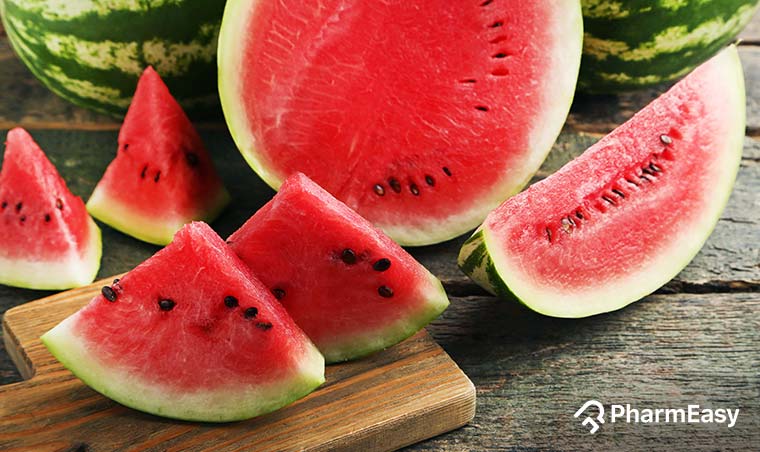
तरबूज (Melon) के 13 फ़ायदे: इतिहास, रेसिपी और अक्सर पूछे जाने वाले सवाल
Meena, 45, a homemaker from Jaipur, noticed a persistent fatigue that wasn't relieved by rest. During the sweltering Rajasthan summers, her energy levels plummeted, impacting her daily chores and family life. Her doctor suggested incorporating more hydrating foods into her diet, and Meena instinctively turned to the humble तरबूज (melon). The cool, juicy sweetness of this summer staple not only quenched her thirst but gradually revitalized her.
Summer in India is synonymous with the arrival of melons. Their vibrant red flesh and refreshing taste make them an indispensable part of our seasonal diet. But beyond their delightful flavour, melons pack a powerful nutritional punch. Have you ever wondered why this fruit is so revered during the hottest months?
The Rich History of Melon
The journey of the melon is as fascinating as its taste. Originating from Northeast Africa, possibly the Kalahari Desert region, melons have been cultivated for thousands of years. Archaeological evidence suggests they were grown in Egypt as far back as the 2nd millennium BC, with depictions found in ancient tombs.
Early travellers and traders introduced melons to various parts of the world, including the Mediterranean, India, and China. In India, its cultivation has a long history, deeply ingrained in the agricultural practices and dietary habits of different regions. It's believed to have arrived in India around the 7th century AD, quickly becoming a popular summer fruit.
13 Remarkable Benefits of Melon
1. Hydration Hero
Melon is composed of about 92% fluid, making it an exceptional choice for staying hydrated, especially during the intense Indian summers. Proper fluid intake is crucial for maintaining body temperature, organ function, and nutrient transport. Dehydration can lead to fatigue, headaches, and decreased cognitive function.
That's the part worth remembering.
2. Rich in Nutrients
Despite its high fluid content, melon is surprisingly nutrient-dense. It's a good source of vitamins A and C, potassium, and magnesium.
Vitamin C is a powerful antioxidant that supports immune function, while Vitamin A is essential for vision and skin well-being. A single cup of diced melon provides about 15% of the recommended daily intake for Vitamin C and 13% for Vitamin A.
3. Antioxidant Powerhouse
This fruit contains several potent antioxidants, including lycopene and cucurbitacin E. Lycopene, responsible for melon's red colour, is a powerful antioxidant linked to heart wellness and cancer prevention. Studies published in journals like The Lancet have highlighted the potential anti-cancer properties of lycopene. Cucurbitacin E has anti-inflammatory properties.
4. Heart Health Booster
The presence of magnesium and potassium in melon benefits heart health. Potassium helps maintain healthy blood pressure levels, while magnesium is involved in numerous bodily functions, including muscle and nerve function, and maintaining a regular heartbeat.
Lycopene also plays a role in lowering cholesterol and blood pressure, further supporting cardiovascular well-being. The International Diabetes Federation (IDF) also notes the importance of diet in managing heart health, a common comorbidity with diabetes.
5. May Reduce Inflammation
The anti-inflammatory compounds in melon, particularly lycopene and vitamin C, can help combat oxidative stress and inflammation in the body. Chronic inflammation is linked to various serious diseases, including heart disease, cancer, and arthritis.
Most people overlook this completely.
Consistently consuming antioxidant-rich foods like melon can contribute to a lower inflammatory load.
6. Beneficial for Digestion
The high fluid and fiber content in melon aids digestion. Fluid helps break down food, allowing nutrients to be absorbed more effectively, while fiber adds bulk to the stool, promoting regular bowel movements and preventing constipation. This is especially helpful after indulging in richer festival foods during occasions like Diwali or Holi.
7. Skin and Hair Health
Vitamins A and C are crucial for healthy skin and hair. Vitamin C helps the body make collagen, a protein that keeps skin supple and hair strong. Vitamin A aids in the creation and repair of skin cells. Lycopene may also enable protect the skin from sun damage, though it's not a substitute for sunscreen.
8. Muscle Soreness Relief
Melon juice contains an amino acid called citrulline, which may benefit reduce muscle soreness. Citrulline is believed to improve exercise performance and reduce muscle pain. Some studies suggest that melon juice is more effective than a placebo in reducing post-exercise muscle soreness. Athletes often consume melon or its juice for recovery.
9. Eye Health Support
Lycopene, along with vitamins A and C, contributes to good eye health. Vitamin A is essential for preventing age-related macular degeneration and maintaining good vision. While more research is needed, the antioxidant properties of these nutrients can benefit protect the eyes from damage.
That alone changes everything.
10. Potential Cancer Prevention
The high antioxidant levels, particularly lycopene, have been linked to a reduced risk of certain types of cancer, including prostate, lung, and colon cancer. While no single food can prevent cancer, a diet rich in antioxidants is considered protective.
Research from institutions like the National Cancer Institute (NCI) in the US supports the role of antioxidants in cancer prevention.
11. Aids in Weight Management
Melon is a low-calorie, low-fat fruit that can be a satisfying snack. Its high fluid content helps you feel full, potentially reducing overall calorie intake.
For individuals managing their weight, incorporating melon into their diet can be a healthy and delicious strategy. Swapping high-calorie snacks for a slice of melon can make a significant difference.
12. Boosts Immunity
The abundant vitamin C in melon is a well-known immune booster. Vitamin C stimulates the production of white blood cells, which are essential for fighting off infections. A robust immune system is our first line of defence against illnesses, especially during monsoon when infections are more frequent.
13. Detoxification Properties
Melon's high fluid content and the presence of potassium aid the liver and kidneys flush out toxins from the body. Potassium helps regulate blood pressure and fluid balance, supporting the natural detoxification processes of these vital organs. It acts as a natural diuretic, aiding the body in eliminating excess fluid and waste.
That's the part worth remembering.
Melon Recipes for Indian Palates
Enjoying melon is not limited to eating it fresh. Here are a few ways to incorporate it into your diet:
Simple Melon Slices
The easiest way to enjoy melon is by cutting it into wedges or cubes. Serve chilled. You can add a sprinkle of chaat masala or black salt for a tangy twist that is popular in India.
Melon & Mint Cooler
Blend fresh melon cubes with a few mint leaves, a squeeze of lime juice, and a dash of cumin powder. Strain and serve chilled. This is incredibly refreshing on a hot afternoon.
Melon Salad
Dice melon and toss it with feta cheese (or paneer for a vegetarian option), cucumber, red onion, and a light vinaigrette dressing. Garnish with fresh mint or cilantro. This makes a light and healthy salad, perfect for a summer lunch. Many modern Indian kitchens are adapting global recipes with local ingredients.
Frozen Melon Popsicles
Puree melon and pour it into popsicle molds. Freeze until solid. You can add a little honey or a few berries before freezing for added flavour and nutrients. These are a healthy alternative to store-bought ice creams.
Frequently Asked Questions (FAQs)
Q1: Is it good to eat melon every day?
Eating melon in moderation is generally safe and beneficial for most people. However, consuming excessive amounts might lead to digestive issues due to its high fluid and fiber content. Listen to your body.
Q2: Can melon be bad for diabetics?
Melon has a relatively low glycemic index (GI), meaning it doesn't cause a rapid spike in blood sugar. However, portion control is key. A large serving might affect blood sugar levels.
Diabetics should consume it in controlled quantities and monitor their response. According to the World Health Organization (WHO), balanced diets are crucial for diabetes management.
Q3: When is the best time to eat melon?
The best time to eat melon is typically during the day, a few hours after breakfast or lunch. Eating it on an empty stomach might cause indigestion for some people. Avoid consuming it late at night, especially if you are prone to acidity or bloating. Honestly, timing can make a difference in how you feel.
That's the part worth remembering.
Q4: Are there any side effects of eating melon?
For most individuals, melon has no notable side effects when consumed in moderation. However, excessive intake can lead to hyperkalemia (high potassium levels) in individuals with kidney issues, or digestive upset like bloating and diarrhea due to its high fluid and fructose content.
People with sensitive stomachs should be mindful of portion sizes.
Q5: Can melon benefit with weight loss?
Yes, melon can be a valuable part of a weight loss diet. Its high fluid and fiber content promote satiety, helping you feel fuller for longer and potentially reducing overall calorie intake. Its low-calorie profile also makes it an excellent snack choice.
Key Takeaways
- Melon is over 90% fluid, making it excellent for hydration, especially in hot climates like India.
- It is rich in essential vitamins (A, C) and minerals (potassium, magnesium), and powerful antioxidants like lycopene.
- Regular consumption may benefit heart health, reduce inflammation, and support digestion.
- Studies suggest lycopene may have cancer-preventive properties.
- Portion control is important, particularly for individuals with diabetes or kidney conditions.
The delightful taste and numerous health benefits make melon a true gift of summer. Embrace this juicy fruit to stay cool, hydrated, and healthy.
Always consult a qualified physician before making any medical decisions.