Understanding Low Haemoglobin: A Common Indian Health Concern
Meena, 45, a homemaker from Jaipur, noticed persistent fatigue, pale skin, and shortness of breath. Her doctor diagnosed her with iron-deficiency anaemia, a condition affecting millions across India. Have you ever wondered why this situation is so prevalent? It often stems from inadequate dietary intake of iron, impaired iron uptake, or blood loss.
In many cases, simple dietary adjustments can make a significant difference. The World Health Organization (WHO) estimates that globally, nearly 2 billion people — over 30% of the population — are affected by this state, with individuals of the female sex and young children being the most impacted groups. In India, the prevalence is particularly high; the National Family Health Survey (NFHS-5) reported that around 57% of individuals of the female sex aged 15-49 years are anaemic. This staggering figure highlights the urgent need for awareness and actionable strategies.
This concern is not just about feeling tired. It can impact cognitive function, reduce work capacity, and, in severe cases, lead to serious complications like heart problems. The issue occurs when your body doesn't have enough healthy red blood cells to carry adequate oxygen to your body's tissues.
Red blood cells contain a protein called haemoglobin, which carries oxygen from the lungs to the rest of the body. Iron is a crucial component of haemoglobin. Without sufficient iron, your body cannot produce enough haemoglobin, leading to iron-deficiency anaemia, the most typical type.
It sounds simple. It rarely is.
The Crucial Role of Iron in Your Diet
Iron is an essential mineral vital for numerous bodily functions, most notably the production of haemoglobin. It also plays a role in energy metabolism and immune function.
For many Indians, especially those who follow traditional vegetarian diets, meeting the recommended daily intake of iron can be challenging. Practically speaking, understanding which meals are rich in iron and how to maximise their uptake is key.
The recommended daily allowance (RDA) for iron varies based on age, sex, and physiological status. For adult individuals of the female sex (19-50 years), it's around 18 mg per day, while for adult males, it's 8 mg per day. Pregnant individuals have significantly higher needs, around 27 mg per day.
These numbers underscore the importance of conscious dietary planning. Think about it this way: your body needs a consistent supply of this vital mineral to maintain optimal well-being and energy levels.
8 Powerhouse Meals to Combat Anaemia
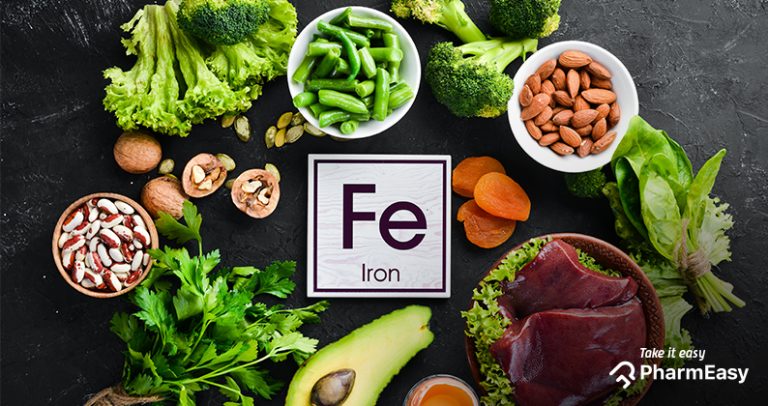
Incorporating specific iron-rich meals into your daily eating patterns can be a game-changer for individuals struggling with or looking to prevent anaemia. While supplements are often prescribed, a diet rich in natural resources can provide sustained benefits and a broader spectrum of nutrients. Let's explore some excellent options readily available in India:
That's the part worth remembering.
1. Leafy Greens: The Unsung Heroes
Spinach (palak), fenugreek leaves (methi), and amaranth leaves (chaulai) are nutritional powerhouses. These vegetables are packed with non-heme iron, the type found in plant-based meals. 4 mg of iron.
To enhance uptake, pair these greens with vitamin C-rich meals. While sitting on the floor during meals is a usual Indian practice, ensuring adequate ventilation and sunlight exposure during cooking and consumption of these greens can also be beneficial.
2. Lentils and Legumes: Staples for a Reason
From the ubiquitous dal to chickpeas (chana) and kidney beans (rajma), legumes are an excellent resource of iron, protein, and fibre. 6 mg of iron. They are versatile ingredients, forming the backbone of many Indian meals.
Consider adding a bowl of sprouted moong or a hearty rajma curry to your diet regularly. The Indian Council of Medical Research (ICMR) often highlights the importance of pulses in addressing nutritional deficiencies.
That alone changes everything.
3. Red Meat and Organ Meats: Highly Bioavailable Iron
For non-vegetarians, red meat, particularly liver and kidney, offers a rich resource of heme iron. Heme iron is more easily absorbed by the body compared to non-heme iron. For example, 100 grams of cooked lamb liver can contain over 10 mg of iron.
While moderation is advised due to fat content, occasional consumption can significantly boost iron levels. It's essential to source meat from reputable suppliers to ensure safety and quality.
4. Poultry: A Lean Iron Option
Chicken and turkey are good resources of heme iron and protein. A 100-gram serving of cooked chicken breast contains approximately 1 mg of iron. While not as high as red meat, poultry offers a leaner alternative that can be incorporated into various dishes. Opting for grilled or baked preparations over fried ones is always a healthier choice.
5. Fish: Beyond Omega-3s
Certain types of fish, like tuna, salmon, and sardines, are not only rich in omega-3 fatty acids but also provide a decent amount of heme iron. A 100-gram serving of canned tuna can provide around 1.5 mg of iron. Including fish in your diet 2-3 times a week can contribute to your overall iron intake and cardiovascular well-being.
6. Fortified Cereals and Breads: Easy Boosters
Many breakfast cereals, breads, and pasta products in India are now fortified with iron. Check the nutrition labels—a single serving can provide a considerable portion of your daily requirement.
This is a convenient way to increase iron intake, especially for busy individuals or children. The International Diabetes Federation (IDF) has also noted the role of fortified meals in public well-being nutrition initiatives.
Most people overlook this completely.
7. Nuts and Seeds: Nutrient-Dense Snacks
Pumpkin seeds, sesame seeds, flaxseeds, and almonds are excellent resources of non-heme iron, fibre, and healthy fats. A tablespoon of pumpkin seeds contains about 2.5 mg of iron. These make for great snacks or additions to salads and yogurts. Remember that nuts and seeds are calorie-dense, so portion control is important.
8. Dried Fruits: Sweet and Iron-Rich
Apricots, raisins, and prunes are concentrated resources of iron and natural sugars. Half a cup of dried apricots offers around 4.4 mg of iron. They can satisfy sweet cravings while providing a boost of iron. However, due to their sugar content, consume them in moderation, especially if you have concerns about blood sugar levels.
Maximising Iron Uptake: The Vitamin C Connection
Simply eating iron-rich meals isn't always enough; how well your body absorbs that iron is equally crucial. This is where vitamin C comes in. Ascorbic acid, found abundantly in citrus fruits (oranges, lemons, limes), tomatoes, guavas, and bell peppers, significantly enhances the uptake of non-heme iron. Have you ever noticed how a squeeze of lemon over your palak sabzi can make it taste brighter?
That's not just flavour—it's a biological boost! Pairing iron resources with vitamin C resources at the same meal is a highly effective strategy. For instance, have a glass of orange juice with your iron-fortified cereal or add tomatoes and bell peppers to your lentil soup. This simple dietary trick can almost double the amount of iron your body takes in from plant-based resources.
Here's where it gets interesting.
Other Factors Influencing Iron Levels
Beyond diet, several other factors can impact iron levels. Chronic diseases, certain medications, and heavy menstrual bleeding in individuals of the female sex can lead to iron loss or reduced uptake. Conditions like celiac disease or inflammatory bowel disease can also impair nutrient uptake.
Honestly, managing anaemia often requires a holistic approach that considers these underlying issues. Regular well-being check-ups, including blood tests to monitor haemoglobin and iron stores (ferritin), are essential for early detection and successful management. The Lancet has published extensive research on the global burden of anaemia and the importance of addressing its root causes.
For instance, if you're on medication that might interfere with iron uptake, discuss alternatives or strategies with your doctor. Similarly, if you experience heavy bleeding during your periods, seeking medical advice is paramount.
So what does that mean for you? It means being proactive about your well-being, listening to your body's signals, and working closely with healthcare professionals.
Key Takeaways
- Anaemia, particularly iron-deficiency anaemia, is highly prevalent in India, affecting over 57% of individuals of the female sex aged 15-49.
- Leafy green vegetables like spinach and fenugreek are excellent resources of non-heme iron.
- Heme iron, found in red meat and organ meats, is more readily absorbed by the body.
- Pairing iron-rich meals with vitamin C resources can significantly enhance iron uptake.
- Regular medical check-ups are crucial for diagnosing and managing anaemia effectively.
Always consult a qualified physician before making any medical decisions.