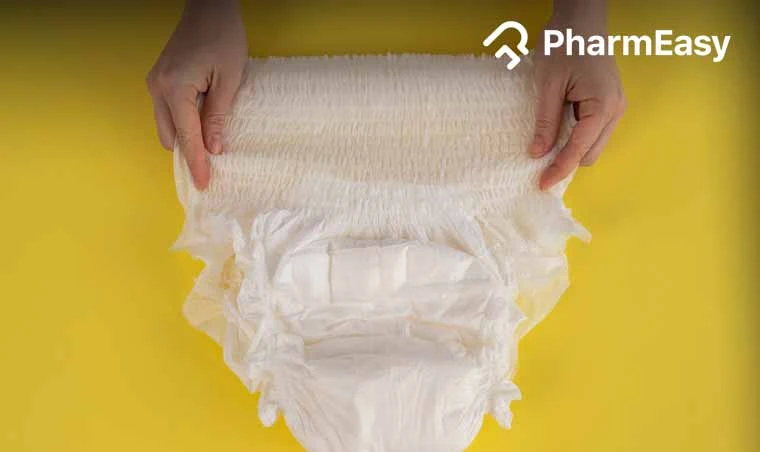
Understanding Adult Diaper Rash: Causes, Symptoms, Treatment & Home Remedies
Meena, 45, a homemaker from Jaipur, noticed a persistent, itchy red rash in the groin area after using protective garments for a period of urinary incontinence. She initially dismissed it as simple irritation, but the discomfort grew, impacting her daily activities and confidence. This scenario is more common than many realize.
Adult skin irritation, often stemming from the same issues that affect infants but with distinct adult considerations, can be a source of significant discomfort and even secondary infections if not managed effectively. Honestly, dealing with skin irritation in intimate areas can be profoundly distressing.
Incontinence is a widespread issue, affecting millions in India and globally. The International Diabetes Federation (IDF) estimates that over 101 million Indians have diabetes (ICMR, 2023), a condition often linked to increased risk of urinary incontinence due to nerve damage or kidney issues.
Neurological conditions, post-surgical recovery, and age-related changes also contribute to incontinence prevalence. When protective garments are necessary, maintaining skin integrity becomes paramount.
That's the part worth remembering.
typical Causes of Adult Skin Irritation
Understanding the root cause is the first step towards effective management. Several factors can contribute to the development of irritation under protective garments:
1. Prolonged Exposure to Moisture
This is the most frequent culprit. Urine and faeces contain irritants and enzymes that break down the skin's natural protective layer when in constant contact. The moist environment also creates a breeding ground for bacteria and yeast. This constant dampness is a primary driver of skin breakdown.
2. Friction and Chafing
The constant rubbing of the absorbent product against the skin, especially if the fit is too tight or if the person is very active, can lead to friction. This mechanical irritation damages the outermost layer of the skin, making it more vulnerable.
Think about it this way: even with soft materials, repetitive friction wears down surfaces over time. This can create raw patches that are painful and prone to infection.
3. Chemical Irritants
Certain soaps, detergents, wipes, or even fragrances in absorbent products themselves can irritate sensitive skin. Residue from inadequate rinsing after washing can also contribute. Some individuals may have a specific sensitivity to materials used in certain brands of absorbent wear. These substances can strip away the skin's natural defenses.
4. Bacterial or Fungal Infections
The warm, moist environment under an absorbent garment is ideal for the growth of opportunistic microorganisms. Candida albicans (yeast) is a typical cause of fungal rash, often appearing as bright red patches with satellite lesions. Bacterial infections can also occur, especially if the skin's protective barrier is already compromised. These infections can significantly worsen discomfort and delay healing.
5. Underlying Skin Conditions
Conditions like eczema, psoriasis, or contact dermatitis can be exacerbated by the use of absorbent products, leading to or worsening a rash. The use of these garments might not be the primary cause but can significantly aggravate these pre-existing issues. Managing the underlying issue is crucial.
That alone changes everything.
6. Poor Hygiene Practices
Infrequent changing of soiled absorbent products, inadequate cleaning of the skin, or not drying the area thoroughly can all contribute to skin irritation. In many cases, simple neglect of these basic hygiene steps is a major factor. Maintaining cleanliness is fundamental to skin health.
Recognizing the indicators of Adult Skin Irritation
Early detection allows for quicker relief. The signs can vary in intensity but typically include:
- Redness: The affected skin, usually in the groin, buttocks, or inner thigh area, appears red and inflamed. This is the most visible sign of irritation.
- Soreness and Tenderness: The area feels painful to the touch, and the patient may experience a burning sensation. This discomfort can make daily activities challenging.
- Itching: Intense itching is a usual and frustrating symptom. The urge to scratch can further damage the skin.
- Blisters or Sores: In severe cases, small blisters or open sores may develop. These indicate considerable skin breakdown and require prompt medical attention.
- Swelling: Mild to moderate swelling of the affected skin can occur. This is a sign of inflammation and irritation.
- Skin Breakdown: The skin may become raw, chafing, or even start to peel. This loss of integrity makes the skin vulnerable to infection.
- Odor: A foul smell can indicate a bacterial or fungal infection. This is a critical sign that professional medical evaluation is needed.
So what does that mean for you? Recognizing these signs promptly is crucial for initiating appropriate approach and preventing complications. Early intervention can prevent the concern from becoming more severe and painful.
Medical Treatments for Adult Skin Irritation
When home remedies aren't sufficient or if the rash is severe, medical intervention is necessary. A doctor might recommend:
1. Topical Protective Creams
These are often the first line of defence. Creams containing zinc oxide or petroleum jelly create a physical shield between the skin and irritants. Applying a thick layer at each protective garment change can significantly protect the skin.
The World Health Organization (WHO) recommends protective creams as a cornerstone of prevention and management. These create a physical barrier against moisture and friction.
2. Antifungal Creams
If a fungal infection is diagnosed (often by visual inspection or sometimes a skin swab), antifungal creams like clotrimazole or miconazole will be prescribed. These are typically applied once or twice daily to the affected area. They work by targeting the specific fungi causing the infection.
The numbers don't lie.
3. Antibiotic Creams or Oral Antibiotics
For bacterial infections, topical or oral antibiotics may be necessary. This is usually reserved for more severe cases or when the infection doesn't respond to other treatments. These medications are designed to kill or inhibit the growth of bacteria causing the infection.
4. Corticosteroid Creams
Low-strength corticosteroid creams can help reduce inflammation and itching. However, these should be used under medical supervision, as prolonged use can thin the skin. They provide temporary relief from inflammatory warning signs.
5. Antihistamines
Oral antihistamines might be recommended to assist manage severe itching, particularly at night, allowing for better sleep and healing. These medications enable block the body's histamine response, reducing the sensation of itchiness.
successful Home Remedies and Prevention Strategies
While medical therapy addresses active infections or severe inflammation, consistent home care is vital for healing and preventing recurrence. Adopting these practices, especially relevant during India's humid monsoon season when skin issues can flare up, is key:
It sounds simple. It rarely is.
- Frequent Protective Garment Changes: This cannot be stressed enough. Change absorbent products as soon as they are wet or soiled. Aim for changes every 2-3 hours or immediately after bowel movements. This minimizes the skin's exposure to irritants.
- Gentle Cleansing: Use plain water or a mild, fragrance-free cleanser to clean the skin during protective garment changes. Avoid harsh soaps and alcohol-based wipes, which can strip the skin's natural oils. Pat the skin dry gently with a soft towel; do not rub. Gentle cleaning preserves the skin's natural moisture balance.
- Ensure Thorough Drying: Moisture is the enemy. After cleaning, allow the skin to air dry completely before applying a new absorbent product or protective cream. This might involve sitting in a well-ventilated area for a few minutes. Proper drying is critical to prevent moisture-related issues.
- Apply Protective Creams: Use a thick layer of zinc oxide or petroleum jelly-based protective cream at every change to shield the skin. This is especially important if the skin is already red or irritated. These creams create a vital physical barrier.
- Choose Breathable Absorbent Products: Opt for high-absorbency, breathable adult protective garments. Some brands are specifically designed to wick moisture away from the skin more effectively. Consider a size that fits well without being too tight. Breathability allows air circulation, reducing heat and moisture buildup.
- Loose-Fitting Clothing: Wear loose cotton underwear and clothing to allow air circulation. Avoid tight-fitting garments that can trap heat and moisture. Think about the comfort of sitting on a cool, tiled floor during summer afternoons – similar principles apply to airflow around the skin.
- Dietary Considerations: While not a direct cause, a diet rich in fruits and vegetables supports overall skin health. For individuals with diabetes and incontinence, managing blood sugar levels as recommended by healthcare providers is crucial for preventing complications, including skin issues. A healthy diet contributes to better skin resilience.
- Probiotics: Some research, though needing further validation from institutions like the Indian Council of Medical Research (ICMR), suggests that probiotics might benefit maintain a healthy balance of gut bacteria, which can indirectly influence skin health. This area warrants further investigation for its potential benefits.
But why does this happen? The skin's natural protective barrier function is compromised by constant exposure to moisture and the enzymes in urine and faeces. This leads to inflammation and makes the skin susceptible to secondary infections.
Proactive care is far more powerful than reactive care. Understanding the mechanisms of skin breakdown is key to prevention.
For Meena, the solution involved a combination of stricter hygiene, frequent protective garment changes, diligent application of a zinc oxide protective cream, and switching to a more breathable absorbent product brand. Within a week, her rash began to subside, and the discomfort eased.
She learned that vigilance and proper care made all the difference. Her experience highlights the effectiveness of a multi-faceted approach.
It's essential to understand that adult skin irritation is a manageable disorder. With the right approach—combining appropriate medical care when needed with consistent, diligent home care—most individuals can find relief and maintain healthy skin.
Over 70% of adults experiencing incontinence may develop some form of skin irritation if preventative measures are not taken consistently, highlighting the importance of proactive management (IDF estimate). This statistic underscores the widespread nature of the problem and the need for awareness.
That alone changes everything.
Always consult a qualified physician before making any medical decisions.
Key Takeaways
- Adult skin irritation is primarily caused by prolonged exposure to moisture, friction, and irritants.
- indicators include redness, soreness, itching, and potential skin breakdown.
- management often involves protective creams, antifungal/antibiotic medications if infected, and improved hygiene.
- Prevention is key: frequent protective garment changes, gentle cleansing, thorough drying, and breathable products are crucial.
- Over 101 million Indians have diabetes (ICMR, 2023), a concern often linked to incontinence and subsequent skin risks.