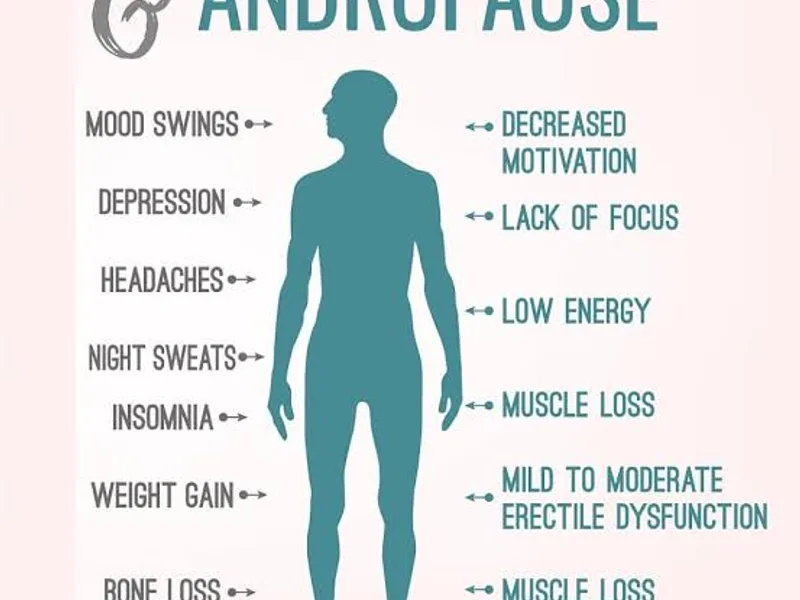
Does testosterone decline with age?
Yes. Testosterone production generally falls as men age, but the change is gradual rather than the sudden hormonal shift associated with menopause.
The Endocrine Society notes that testosterone levels tend to decline after early adulthood, while also emphasising that symptoms of low testosterone are not specific to ageing.
This is where the term andropause can be confusing. It is commonly used for age-related testosterone decline, but men do not experience a universal or complete hormonal “pause.”
The Endocrine Society's 2026 statement says terms such as “age-related” and “late-onset” hypogonadism can blur the distinction between normal ageing and a treatable medical condition.
What happens to testosterone as men age?
Testosterone levels are usually highest in early adulthood and gradually become lower with age. However, the amount of decline varies considerably between individuals.
Age is only one part of the picture. Obesity, type 2 diabetes, chronic illness, poor nutrition, some medicines and other health problems can also affect testosterone levels.
That means a 60-year-old man with low testosterone may have a different underlying cause from another man of the same age.
For a better understanding of hormone testing, see Doctar's guide to understanding testosterone levels.
What are the symptoms of age-related low testosterone?
Symptoms can be subtle and develop slowly.
Lower sex drive
A noticeable reduction in sexual desire can occur when testosterone is genuinely low. Some men may also notice fewer spontaneous erections.
But lower libido does not automatically mean testosterone has fallen. Stress, depression, relationship difficulties, poor sleep and certain medicines can produce the same symptom.
Men experiencing persistent changes in sexual desire can also read about low libido and online sex therapy.
Erectile difficulties
Low testosterone may contribute to erectile problems, but erections depend on much more than testosterone. Blood-vessel health, diabetes, medications, anxiety and neurological conditions can all affect erections.
Persistent erectile dysfunction should therefore be assessed rather than automatically labelled as “low T.” Doctar's information on erectile dysfunction provides further background.
Fatigue and reduced energy
Some men with testosterone deficiency experience reduced energy or physical endurance.
The problem is that tiredness is extremely common and has many possible explanations. Poor sleep, stress, depression, anaemia, thyroid problems and chronic disease can all cause fatigue.
In clinical practice, this is often where men get misled. Feeling tired at 45 or 55 does not by itself mean testosterone is low, and an online “testosterone booster” is not a substitute for finding the real cause.
Doctar also discusses testosterone and men's health in the context of supplements and hormone-related claims.
Loss of muscle mass
Testosterone contributes to muscle maintenance and bone health. Men with significant testosterone deficiency may experience reduced muscle mass or strength.
However, muscle loss with age can also result from inactivity, inadequate protein intake, illness or other factors. It should not be used alone to diagnose hormone deficiency.
Mood and concentration changes
Some men with low testosterone report irritability, low mood or difficulty concentrating.
These symptoms overlap strongly with anxiety, depression, chronic stress and sleep problems. A proper assessment should consider those possibilities rather than assuming that testosterone is responsible.
Is age-related testosterone decline normal?
A gradual decline in testosterone can be part of normal ageing. Low testosterone caused by an actual medical disorder is different.
The Endocrine Society's current position is that hypogonadism should be diagnosed when a man has compatible symptoms or signs and consistently low, accurately measured testosterone levels. Symptoms alone are not enough.
This distinction is important because ageing itself is not a diagnosis.
A man may have low testosterone because of a problem involving the testes, pituitary or hypothalamus. Alternatively, potentially reversible factors such as obesity or certain medicines may contribute.
How is low testosterone diagnosed?
Doctors do not diagnose testosterone deficiency from symptoms alone.
The Endocrine Society recommends confirming low testosterone with appropriately measured blood testing and repeating the measurement when necessary. Its patient guidance says testosterone is generally checked in the early morning because levels change during the day.
The American Urological Association also recommends two separate early-morning testosterone measurements and uses below 300 ng/dL as a reasonable cut-off supporting the diagnosis when symptoms or signs are present.
The number should therefore be interpreted alongside symptoms, medical history and the laboratory's reference range.
Can lifestyle affect age-related testosterone decline?
Yes, overall health can influence testosterone levels.
Obesity and type 2 diabetes are associated with a higher prevalence of testosterone deficiency, while poor nutrition, severe illness and excessive exercise can temporarily lower testosterone.
Improving physical activity, sleep, nutrition and weight management can therefore be part of addressing low testosterone, particularly when potentially reversible factors are present.
Doctar's male sexual stamina guide also discusses the relationship between lifestyle, stress and male sexual function.
Does every older man need testosterone therapy?
No.
The Endocrine Society recommends against routinely giving testosterone to all older men with low testosterone numbers. For men aged 65 and above who have symptoms and consistently low morning testosterone, treatment should be considered individually after discussing potential benefits and risks.
The Society's July 2026 statement also says that for appropriately diagnosed hypogonadism associated with overweight or obesity, weight loss is typically the first-line approach when no other cause has been identified.
Testosterone replacement therapy (TRT) is therefore not simply an anti-ageing treatment.
What are the risks of TRT?
Testosterone therapy can have genuine medical benefits for appropriately diagnosed hypogonadism, but it is not risk-free.
Possible concerns include increased red blood cell counts, reduced sperm production, effects on the prostate and other adverse effects. TRT can also suppress the body's own testosterone production.
The Endocrine Society recommends against starting testosterone in men planning fertility in the near term and in men with certain conditions, including untreated severe sleep apnea, elevated hematocrit, certain prostate or breast conditions, uncontrolled heart failure and a recent heart attack or stroke.
For a detailed discussion, readers can explore Doctar's and TRT side effects and risks.
What about fertility?
This is a particularly important issue for men who still want children.
Testosterone supplied from outside the body can suppress the signals that stimulate the testes to produce sperm. As a result, TRT may reduce sperm production.
Men planning a family should tell their doctor before considering testosterone treatment. Doctar's can provide additional information, but fertility decisions should be individualised with a qualified clinician.
When should an older man see a doctor?
Consider a medical evaluation if low libido, erectile problems, persistent fatigue, reduced strength or other symptoms continue and are affecting quality of life.
A doctor may review medications, sleep, weight, diabetes, mental health, sexual function and other medical conditions before deciding whether testosterone testing is appropriate.
Men with anxiety or relationship-related sexual concerns may also benefit from sex therapy in India or a qualified sexologist consultation.