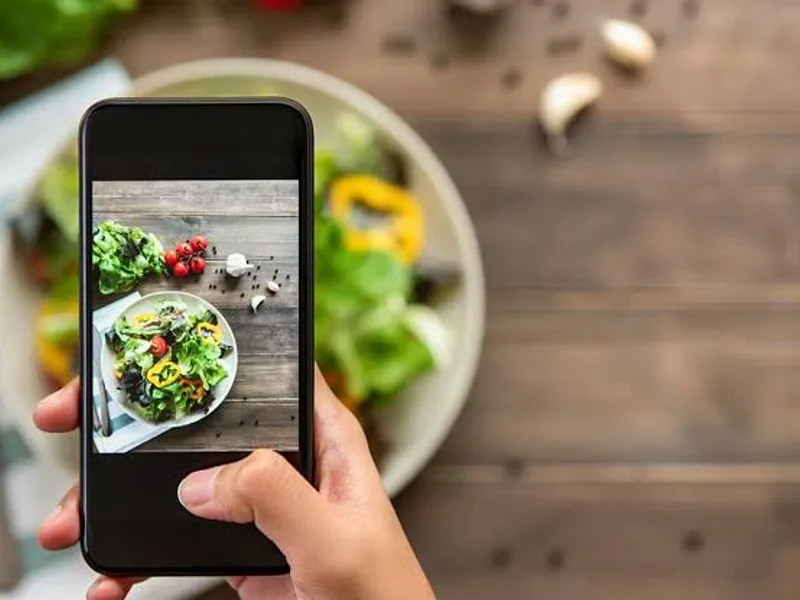
Taking a quick photo of your dinner plate feels like a miracle for anyone who has ever wrestled with manual food logging. You point your smartphone at a plate of salmon and rice, and within seconds, artificial intelligence outputs a tidy breakdown of energy and macros.
Recent independent testing reveals a glaring flaw in these digital shortcuts. Popular AI calorie tracking apps miscalculated meal totals by up to 345 calories in a single sitting. Over three meals a day, that kind of arithmetic error can derail your health goals completely.
If you rely on a daily calorie deficit to drive gradual weight loss, a 300-calorie discrepancy is not a minor glitch. It is the difference between losing a pound a week and gaining one.
Why Computer Vision Struggles with Real Food
Computer vision algorithms are remarkable at identifying distinct visual shapes. An app can spot a banana or a slice of toast with high precision. However, human nutrition happens below the surface, where cameras simply cannot see.
A camera lens cannot measure the two tablespoons of olive oil used to sear a chicken breast. It cannot distinguish between full-fat Greek yogurt and non-fat plain yogurt. Nor can it calculate the hidden sugars packed into a house-made salad dressing.
In clinical practice, this is often missed because patients assume technology sees what they see—a complete meal. But an algorithm only registers top-down surface area and color contrast. When a tool guesses density and volume based on a two-dimensional photograph, its margin for error expands rapidly.
Complex mixed dishes like curries, stews, and casseroles represent the hardest test for image recognition. Is that a light broth or a coconut-cream base? The AI relies on statistical averages, which frequently fail when applied to real-world cooking.
The Physical Health Impact of Digital Miscalculations
For general wellness, missing your target by a few dozen calories might not cause immediate harm. But for individuals managing specific medical conditions, accurate macronutrient tracking is critical.
Consider someone using digital tools to support obesity management or stabilize their overall metabolic health. Consistently underestimating intake can lead to months of frustration, leading patients to believe their metabolism has stalled when the app is simply undercounting.
The stakes are even higher for patients living with type 2 diabetes. When an app miscalculates carbohydrates in a meal, blood sugar spikes can follow. Accurate carbohydrate counting remains vital for effective blood sugar management, making unverified AI estimations a potential health hazard.
Working alongside a registered dietitian often reveals how easily small software errors compound over time. A patient might strictly log every meal and still wonder why their clinical progress has hit a wall.
The False Security of Algorithmic Precision
Why do we trust these numbers so readily? AI interfaces present their calculations with absolute confidence. Seeing "423 calories" on a crisp phone screen feels scientific and definitive, whereas human guessing feels messy.
This psychological trap creates a false sense of security. Users often adjust their physical activity or dinner portions based on an inaccurate lunch calculation. If your app tells you lunch was light, you might naturally feel comfortable ordering dessert later.
Are we giving up our own internal hunger cues in favor of imperfect computer code? When app notifications dictate when and how much we eat, we disconnect from natural satiety signals. Over-reliance on technology can even exacerbate disordered eating patterns or increase anxiety around mealtime.
For those pursuing structured medical weight loss, software should serve as a secondary guide, not an infallible referee. Understanding your personal daily calorie intake requires combining smart tools with proven habits like hand-portioning and label reading.
How to Track Nutrition Safely and Accurately
You do not need to delete your favorite wellness apps entirely. AI tools remain helpful for quick logging and identifying general food groups, provided you use them as rough estimates rather than exact science.
To keep your health journey on track, combine digital convenience with manual safeguards:
Weigh high-density foods: Use a digital kitchen scale for nuts, oils, butter, and cooked meats. These dense items carry the highest calorie variance.
Adjust for hidden cooking fats: Manually add one tablespoon of oil or butter whenever you eat out or cook with fats.
Learn simple hand metrics: A palm-sized portion of protein, a fist of vegetables, and a cupped hand of carbs offer a reliable sanity check against app estimates.
Focus on whole foods: Unprocessed ingredients are far easier for both humans and AI models to identify correctly.
If you suspect underlying metabolic issues or need tailored guidance for conditions like hypertension, pcos diet management, or gut health, consult a specialist. A customized plan built through a professional online doctor consultation will always outperform a generic algorithm.