AQI is more than a number on your phone
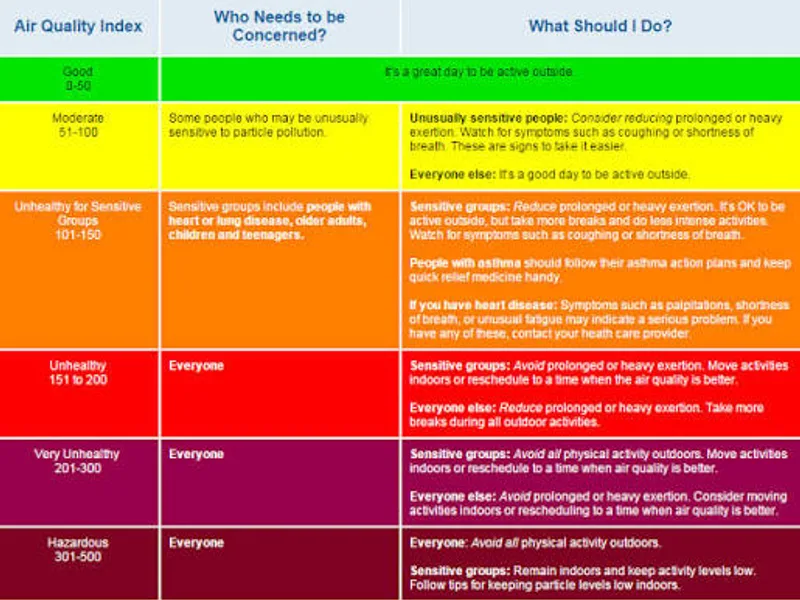
When the Air Quality Index turns red or orange, many people simply decide to skip their morning walk. That is sensible, but AQI deserves a little more attention than a traffic-light warning.
The index is designed to communicate air pollution levels in a way that is easier for the public to understand. Underneath that single number, however, are different pollutants, including particulate matter, ozone, nitrogen dioxide, sulphur dioxide and carbon monoxide.
For lung health, fine particulate matter is especially concerning. PM2.5 refers to particles 2.5 micrometres or smaller. These particles can travel deep into the lungs, and some can cross into the bloodstream.
The World Health Organization says poor air quality can worsen respiratory health and contribute to declining lung function.
What happens to the lungs when pollution rises?
The first effect can be irritation. Polluted air may make the throat feel scratchy, trigger coughing or cause a person to feel that breathing is less comfortable.
Smaller particles can reach deeper parts of the respiratory system. Depending on the pollutant and exposure, inflammation can develop, lung function can be affected and existing respiratory disease can become harder to control. WHO links air pollution exposure with respiratory infections, chronic obstructive pulmonary disease, lung cancer and other health problems.
That does not mean every person breathing polluted air will immediately develop lung disease. Exposure varies enormously by concentration, duration, location, occupation and individual health.
But repeated exposure is not something to shrug off.
PM2.5 deserves special attention
PM2.5 is often discussed because its tiny size allows it to penetrate deeply into the respiratory tract.
WHO's 2021 air-quality guidelines set a recommended annual average concentration of 5 micrograms per cubic metre for PM2.5. That guideline is not the same thing as an AQI category or a guarantee that exposure below a particular number carries zero risk.
This distinction gets lost in everyday conversations about “safe” pollution.
Air pollution is a mixture, and health effects depend on both the pollutant and exposure. WHO's current guidance says some pollutants may have adverse effects even at relatively low concentrations.
Who needs to be more careful?
People with asthma or COPD may notice pollution-related symptoms sooner than someone with healthy lungs.
Children deserve particular attention because their lungs are still developing. Older adults, pregnant women and people with existing heart or lung conditions are also among groups considered more vulnerable to air-pollution effects.
Doctar's guide to managing asthma on poor-air-quality days covers practical ways people with asthma can reduce exposure when pollution is high.
Doctar's asthma information guide also explains the condition and its common symptoms.
A person with a chronic respiratory condition should discuss an individual pollution-management plan with their doctor rather than changing prescribed treatment based on an AQI reading alone.
Can poor air quality trigger asthma symptoms?
Yes, polluted air can aggravate asthma.
Ozone, nitrogen dioxide and particulate matter can irritate sensitive airways. WHO specifically identifies ozone as a factor that can cause or worsen asthma, while nitrogen dioxide and sulphur dioxide can contribute to airway symptoms, inflammation and reduced lung function.
Doctar's article on asthma attacks explains why worsening breathing symptoms need attention and when urgent medical help may be necessary.
In clinical practice, this is often missed because people blame every episode of cough or breathlessness on “weather” or a seasonal cold. The pattern matters: if symptoms repeatedly appear or worsen on polluted days, mention that pattern to a healthcare professional.
What about COPD?
Chronic obstructive pulmonary disease, commonly called COPD, is a long-term condition that makes airflow more difficult.
People with COPD can be particularly affected by air pollution. Short-term exposure to high levels of particulate matter has been associated with respiratory problems and worsening of existing disease.
Doctar's COPD guide for Indian readers discusses symptoms, diagnosis and general approaches to managing the condition.
Doctar also has a guide to preventing emphysema, which includes reducing exposure to outdoor and indoor pollutants.
For someone already living with COPD, pollution avoidance is part of a broader management plan. It should not replace medical follow-up.
Indoor air can be part of the problem
Closing the windows does not automatically mean your lungs are protected.
Indoor air can contain smoke from cooking, tobacco smoke, burning incense, poorly ventilated combustion and other sources. Dampness and mould can also affect indoor air quality.
WHO considers both outdoor and household air pollution important health risks.
Doctar's lung-protection guide discusses ventilation, indoor pollutants and ways of reducing exposure.
Simple changes can help: avoid indoor smoking, use appropriate kitchen ventilation and keep indoor spaces reasonably free of dust and smoke. The right approach depends on the home and the pollution source.
Should you stop exercising when AQI is poor?
Not necessarily.
Physical activity remains important for general health, but pollution changes the calculation because vigorous exercise increases the amount of air you breathe. On a heavily polluted day, an outdoor run may mean substantially greater exposure than a quiet indoor activity.
Doctar's lung-health and pulmonologist guide explains why persistent breathing problems deserve assessment by a doctor who specialises in respiratory conditions.
When air quality is poor, people can consider reducing strenuous outdoor exercise and choosing a cleaner indoor environment. Someone with a respiratory condition should ask their clinician what level of activity is appropriate for them.
Masks can reduce exposure, but they are not magic
A properly fitted particulate-filtering respirator can reduce inhalation of fine particles. Doctar's emphysema prevention article discusses the use of respirators such as N95-type masks when pollution is high.
Fit matters. A loose cloth covering does not provide the same particle filtration as a properly fitted respirator designed for particulate matter.
Masks also do not remove every pollutant from the air. They should be considered one layer of protection, not permission to spend unnecessary time in heavily polluted surroundings.
AQI does not predict how you personally will feel
Two people can experience the same air-quality reading very differently.
One person may notice nothing. Another may develop coughing, wheezing or chest discomfort. Someone with asthma may react to a pollutant that does not cause obvious symptoms in another person.
That is why AQI should be treated as an exposure guide rather than a personal medical test.
A high reading does not diagnose lung disease, and a lower reading does not rule it out.
When should a cough be checked?
A cough that persists, keeps returning or comes with other symptoms deserves medical attention rather than endless self-treatment.
Breathlessness with little activity, recurrent wheezing, chest tightness, coughing at night or a noticeable decline in exercise tolerance are reasons to discuss symptoms with a healthcare professional.
Doctar's lung-specialist guide for Danapur explains the role of a pulmonologist, a doctor specialising in lung and respiratory conditions.
Doctar also lists pulmonologists in Kolkata, including respiratory specialists such as Dr. Anirban Sarkar, while Dr. Debraj Jash's profile provides another example of a pulmonology listing.
Other Doctar profiles include Dr. Sanghabrata Sur, Dr. Surajit Chatterjee, Dr. Ranjan K. Das and Dr. Kaushik Ghosh.
These profiles are for finding healthcare providers, not for diagnosing a condition or establishing that a particular doctor is appropriate for every patient.
Where can people seek respiratory care?
For people who need hospital-based evaluation, Doctar's hospital directory allows users to search facilities by location and specialty.
The Sahid Khudiram Bose Hospital in Kolkata lists pulmonology among its departments and provides diagnostic services including X-ray and CT imaging.
The Calcutta Medical Research Institute also lists pulmonology and respiratory-related care.
For specialised heart and lung services, the Kolkata Heart Lung Centre provides pulmonary and cardiac services.
Patients should confirm current services, appointment availability and emergency arrangements directly with a facility before travelling.
Air pollution affects more than the lungs
The lungs are the main route through which air pollution enters the body, but the effects do not necessarily stop there.
PM2.5 can pass through the lung barrier and enter the bloodstream. Long-term exposure has been associated with cardiovascular disease, stroke and other serious health effects, alongside respiratory disease.
WHO's 2026 technical brief describes air pollution as a major environmental health risk and notes that children, pregnant women, older adults and people with chronic disease can face greater risk.
That is one reason air-quality discussions should not be treated as a niche concern for people with asthma.
What can you realistically do on a bad-air day?
Start by checking the current AQI and, when available, the pollutant driving the reading. Avoid unnecessary time outdoors when pollution is particularly high, especially near traffic, construction dust, open burning or other obvious sources.
Keep indoor air as clean as practical. Avoid smoking indoors, limit other sources of smoke and use ventilation thoughtfully rather than automatically opening windows when outdoor air is heavily polluted.
If you have asthma, COPD or another chronic lung condition, follow the plan given by your healthcare professional. Do not start, stop or change prescription medicines simply because an app shows a particular AQI.
And if breathing becomes severely difficult, lips or skin appear bluish, someone becomes confused, or symptoms are rapidly worsening, seek urgent medical care rather than trying to manage the situation through air-quality precautions alone.