Alcohol and Blood Pressure: The Silent Killer Link
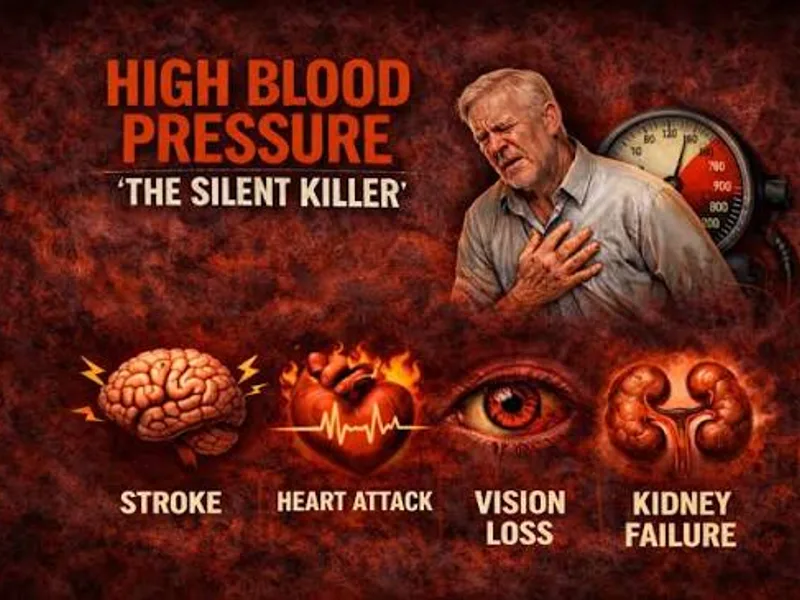
High blood pressure doesn't hurt. That's the problem. You can have it for years, feel completely fine, and still be doing quiet damage to your arteries, heart, and kidneys the whole time. Doctors call it the silent killer for exactly this reason — by the time symptoms show up, the condition has often already caused harm.
Alcohol is one of the more underrated players in this story. People tend to think of drinking as a lifestyle choice tied to weight or liver health, and they forget it has a direct, measurable relationship with blood pressure.
Why Hypertension Stays So Quiet
Blood pressure is just the force of blood pushing against your artery walls. When that force stays high for a long time, the walls stiffen and thicken. There's no nerve ending screaming about it. You might get an occasional headache or feel a bit off, but most people with elevated readings notice nothing until a routine check-up flags it, or worse, until a stroke or heart attack forces the issue. You can read more about the physical warning signs your body sometimes does give in this breakdown of common heart symptoms. Doctar
How Alcohol Actually Moves the Needle
Here's where it gets a bit more nuanced than "alcohol is bad for you."
The short-term spike. After a night of heavier drinking, blood pressure often rises temporarily. This is the effect behind what some people notice after a big weekend — a kind of rebound tightness or pressure feeling. It's similar, oddly enough, to how blood pressure temporarily shifts after intense exercise, though the underlying mechanism is different. Doctar has a solid explainer on what's normal after physical exertion if you want to compare the two. Doctar
The long-term damage. This is the part that matters more. Regular, heavier drinking over months and years is linked to a steady rise in baseline blood pressure — not just the night-after spike, but a shift in your resting numbers. Research on alcohol's cardiovascular effects has consistently found this dose-related pattern, where the more consistently someone drinks, the more their long-term readings tend to climb. Doctar has covered this connection directly in Does Alcohol Raise Blood Pressure? Understanding the Link and Protecting Your Heart, which is worth a read if you want the fuller clinical picture. Doctar
In clinical practice, this is often missed because patients focus on obvious risk factors — salt, stress, family history — and don't mention their drinking unless directly asked. A single glass of wine a few times a week rarely raises alarm bells for either the patient or, frankly, the doctor doing a quick check-up. It's the pattern over months that tells the real story, not any one night.
Who Should Pay Closer Attention
Not everyone's blood pressure reacts to alcohol the same way. People who already have prehypertension, a family history of hypertension, or existing heart or kidney conditions tend to see a sharper response. Older adults and people managing conditions affecting the brain's blood supply should be particularly careful — Doctar's piece on whether low blood pressure can trigger a stroke and their guide to microvascular ischemic disease both touch on how fragile this balance can be. DOCTARDOCTAR
The Medication Mix-Up Nobody Talks About Enough
If you're already on blood pressure medication, alcohol changes the equation further. Some drugs, when combined with alcohol, cause blood pressure to drop too far, too fast, leading to dizziness or fainting rather than a spike. This isn't a minor footnote. Doctar's guides on amlodipine interactions and Aldactone (spironolactone) and alcohol both walk through this in detail, and it's genuinely worth reading if you're on either drug. There's a similar caution around recreational substances too — see this piece on how marijuana affects blood pressure for context if that applies to you. For people managing heart failure alongside hypertension, Doctar's guide to Entresto is another useful reference point. DOCTAR + 3
What Actually Helps
Cutting back doesn't mean an all-or-nothing approach, and honestly, telling someone to "just quit drinking" rarely works as health advice. What tends to help more:
Track your numbers at home rather than relying on the occasional clinic visit — a basic device like the Medtech BP-11 monitor or the Beurer BM 46 makes this simple enough to do a few times a week. Notice patterns, not just single readings. Ask your doctor directly whether your current drinking habits interact with anything you're taking. And if you haven't had a proper check-up in a while, it's worth booking one — you can find a verified cardiologist near you through Doctar if you're not sure where to start.