Autism Glycine Transporter Therapy: The Evidence So Fa
You may have come across headlines describing a new drug approach for autism involving something called a glycine transporter. It sounds technical, and it is, but the idea behind it is worth unpacking honestly. This is genuinely interesting research. It is also, right now, experimental, and families searching for answers deserve a clear-eyed look at where things actually stand.
What a Glycine Transporter Actually Is
Glycine is a small molecule your brain uses as a chemical messenger. It plays two different roles depending on where it acts. In some parts of the nervous system, it calms activity down. In others, it works alongside a receptor called NMDA, which is involved in learning, memory, and how brain cells communicate with each other.
A glycine transporter, often shortened to GlyT1, is a protein that controls how much glycine sits around a synapse, the tiny gap between two neurons where signals pass. Block that transporter, and glycine levels in the synapse rise. Researchers have been exploring whether raising glycine this way can support NMDA receptor function, since there's a working theory that NMDA receptor signaling may be underactive in some people with autism spectrum disorder.
Why Researchers Are Interested in This for Autism
The theory connecting glutamate and glycine signaling to autism has been around for over a decade, largely based on studies of brain chemistry and some genetic research pointing to differences in how certain neurotransmitter systems function. It's a reasonable hypothesis worth testing, not a settled fact. Autism itself is understood as a complex neurodevelopmental condition with many contributing genetic and biological factors, and no single chemical pathway explains it for everyone on the spectrum.
Glycine transporter inhibitors were actually developed and tested first for schizophrenia, based on a similar NMDA-related theory. Those trials had mixed and largely disappointing results for the primary goals researchers were testing. That history matters, because it's a reminder that a plausible brain-chemistry theory doesn't automatically translate into an effective drug, even when the underlying science is sound.
What Autism-Specific Trials Have Actually Shown
Small early-phase trials looking at glycine transporter inhibitors in autism have explored effects on social communication and repetitive behaviors, which are core features of the diagnosis. Results so far have been mixed and modest at best, with some studies showing small improvements on certain rating scales and others showing no meaningful difference from placebo. Sample sizes in this research area tend to be small, often a few dozen participants, which limits how confidently anyone can generalize the findings.
In clinical practice, this is exactly the kind of research parents ask about after seeing a hopeful headline, and it's often missed that a "promising early trial" and an "approved treatment" are very different things separated by years, sometimes a decade or more, of further testing. No glycine transporter drug is currently an approved, prescribed treatment for autism's core features anywhere that I'm aware of. Anything you see marketed as such outside a formal clinical trial should be treated with real skepticism.
How This Fits Alongside What's Already Known to Help
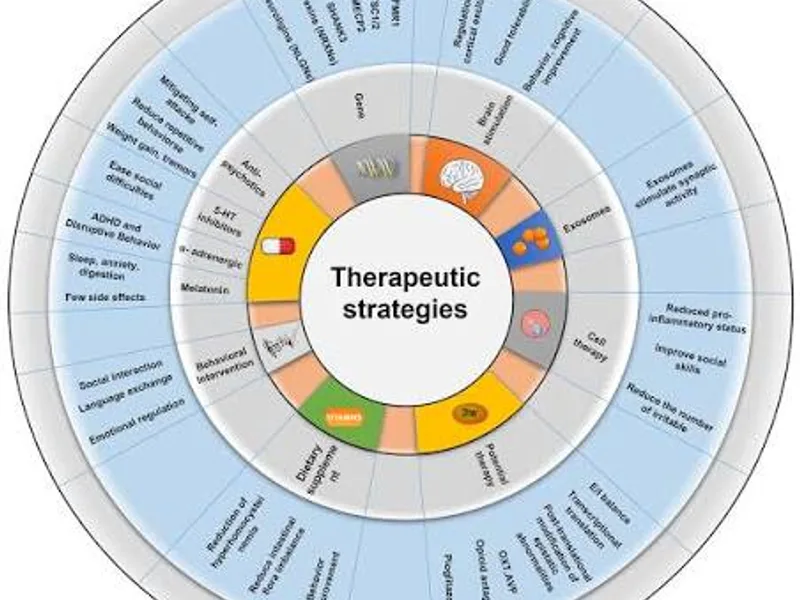
Autism support today still rests mainly on behavioral therapies, speech and occupational therapy, and, for certain co-occurring symptoms like severe irritability or aggression, a small number of approved medications such as risperidone or aripiprazole, which target symptoms rather than autism itself. Sensory processing differences, which show up in how the brain interprets touch, movement, and body awareness, are commonly addressed through occupational therapy rather than medication.
It's also worth understanding how autism relates to other neurodevelopmental conditions it's often confused with or co-occurs alongside, including ADHD and learning disabilities, since overlapping traits can complicate both diagnosis and treatment planning. The broader conversation around neurodiversity is also shifting how clinicians and families think about support versus "fixing" differences that aren't inherently harmful.
What Families Should Actually Do With This Information
If you're reading about glycine transporter research because of a personal or family connection to autism, the most useful next step is a conversation with a developmental pediatrician, neurologist, or psychiatrist who can explain what, if any, clinical trials are currently recruiting and whether your situation might be relevant. Enrolling in a legitimate registered clinical trial is different from trying an unproven supplement or off-label drug based on early research headlines, and the two should never be confused.