Understanding Bed Bug Bites: Causes, Symptoms, Treatment & More!
Meena, 45, a homemaker from Jaipur, noticed a cluster of small, red, intensely itchy bumps on her arms and legs. Initially dismissing them as mosquito bites, the persistent discomfort and new bumps appearing nightly soon led her to seek medical advice. Her doctor suspected bed bug bites, a growing concern in many Indian households.
Have you ever wondered why some insect bites leave you scratching for days while others fade quickly? Bed bug bites, unlike their mosquito counterparts, typically appear in lines or clusters and can trigger significant discomfort.
These tiny nocturnal pests are a common nuisance, and understanding them is the first step towards effective management and relief. What most people miss is how rapidly an infestation can spread.
What Are Bed Bugs and How Do They Bite?
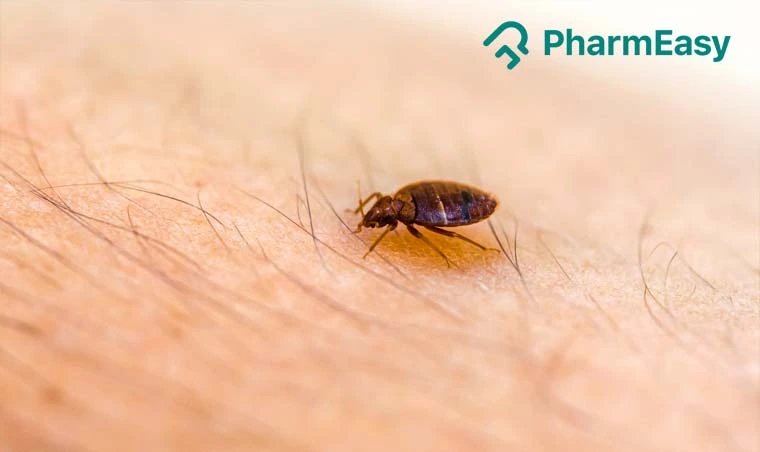
Bed bugs (Cimex lectularius) are small, reddish-brown, oval-shaped insects that feed on the blood of humans and animals. They are most active at night, typically while people are sleeping.
These insects are excellent hitchhikers, frequently found in luggage, used furniture, and even clothing, making them easy to transport between homes, hotels, and public spaces.
A bed bug bite occurs when the insect pierces the skin with its proboscis (a straw-like mouthpart) to draw blood. Before feeding, they inject an anticoagulant and anesthetic saliva. This saliva is what causes the characteristic discomfort and swelling in most individuals.
The reaction to these bites can vary significantly from person to person. Some people may not even react to the bites initially, while others develop pronounced reactions.
The Bed Bug Lifecycle
Understanding the lifecycle of a bed bug is crucial for successful eradication. A female bed bug can lay hundreds of eggs in her lifetime. These eggs hatch into tiny nymphs, which go through five developmental stages, shedding their exoskeleton each time, before becoming adults.
That's the part worth remembering.
Each stage requires a blood meal to progress. This continuous need for blood means they are constantly seeking hosts, making infestations difficult to ignore over time. A single adult bed bug can live for several months under favourable conditions.
prevalent signs of Bed Bug Bites
The most widespread symptom of a bed bug bite is intense itching. The bites themselves are typically small, red, raised welts. They frequently appear in a zigzag pattern or a line of several bites clustered together.
This characteristic grouping is a key indicator, as bed bugs may feed multiple times during a single night. Have you ever wondered why? It's because they are sometimes disturbed or may not find a good feeding spot on their first attempt.
In many cases, people confuse bed bug bites with other insect bites like mosquitoes, fleas, or even allergic reactions. However, the pattern and location can offer clues. Bites commonly appear on exposed areas of the body during sleep, such as the face, neck, arms, and hands.
That's the part worth remembering.
Unlike mosquito bites that often appear singly, bed bug bites are frequently found in clusters or lines. Some individuals might develop a mild allergic reaction, leading to larger, more inflamed areas. Severe allergic reactions are rare but possible, presenting as hives or blistering.
Identifying Bed Bugs vs. Other Bites
Distinguishing bed bug bites from other arthropod bites is essential for accurate diagnosis and care. While mosquito bites are usually scattered and can occur anytime, bed bug bites tend to be grouped and appear after sleeping in an infested area. Flea bites often have a small red spot in the centre and are commonly found on the ankles and lower legs.
Scabies, a mite infestation, causes intensely itchy rashes that can spread across the body, often in specific patterns. Practically speaking, if you notice bites appearing consistently after sleeping in the same bed or room, bed bugs should be a primary suspect.
When to Seek Medical Attention
For most people, bed bug bites are a nuisance that can be managed with over-the-counter remedies. However, there are instances when medical attention is necessary. If the itching is severe and interferes with daily activities or sleep, a doctor can prescribe stronger antihistamines or topical corticosteroids.
The numbers don't lie.
Signs of infection, such as increased redness, swelling, warmth, pus, or fever, indicate a secondary bacterial infection and require prompt medical evaluation. This is particularly important for individuals with compromised immune systems.
A meaningful allergic reaction, though uncommon, warrants immediate medical care. warning signs might include difficulty breathing, swelling of the face or throat, or widespread hives. In such critical situations, seeking emergency medical help is paramount.
The Indian Council of Medical Research (ICMR) emphasizes the importance of recognizing signs of infection or severe allergic reactions promptly. So what does that mean for you? It means being aware of your body's response and not hesitating to consult a healthcare professional when needed.
therapy and Home Remedies for Bed Bug Bites
The primary goal of treating bed bug bites is to relieve itching and prevent infection. Calamine lotion or a 1% hydrocortisone cream can provide temporary relief from itching and inflammation. Oral antihistamines, available over-the-counter, can also assist reduce discomfort and improve sleep.
It sounds simple. It rarely is.
Keeping the affected areas clean is crucial to prevent secondary infections. Avoid scratching the bites, as this can break the skin and introduce bacteria.
Home remedies can offer additional comfort. Applying a cool compress or a paste of baking soda and water to the bites can soothe the skin.
For those in India, traditional remedies like applying neem paste are sometimes used for their anti-inflammatory and antiseptic properties, though scientific evidence for this specific application against bed bug bites is limited. What most people miss is the importance of consistency in applying treatments.
Preventing and Eradicating Bed Bugs
Preventing bed bugs from infesting your home is always better than dealing with an infestation. When travelling, inspect hotel rooms for signs of bed bugs—look for small dark spots (fecal matter) on mattresses, seams, and headboards. Keep luggage off the floor and away from the bed.
Upon returning home, wash all clothing in hot water and dry on high heat. Thoroughly inspect your luggage before bringing it inside.
If you suspect a bed bug infestation, immediate action is required. Vacuuming carpets, upholstery, and mattresses thoroughly can remove adult bugs and eggs. After vacuuming, immediately dispose of the vacuum bag in a sealed plastic bag outside your home.
Washing bedding, curtains, and clothing in hot water (at least 60°C or 140°F) and drying on high heat is highly impactful. For persistent infestations, professional pest control services are sometimes necessary. The World Health Organization (WHO) recommends integrated pest management strategies that combine various methods for reliable control.
Recovery is rarely linear.
Professional Pest Control Options
Professional pest control services offer the most reliable solution for marked bed bug infestations. They have access to more potent treatments and the expertise to identify and treat all affected areas, including hidden harbourages. prevalent professional treatments include heat treatments (raising the room temperature to lethal levels), steam treatments, and the targeted application of insecticides.
Integrated Pest Management (IPM) plans are sometimes employed, which involve inspection, monitoring, and a combination of chemical and non-chemical control methods. According to recent reports, over 70% of bed bug infestations require professional intervention to be fully eradicated.
The Psychological Impact of Bed Bugs
Beyond the physical discomfort, bed bug infestations can have a major psychological toll. The constant itching, the fear of being bitten, and the social stigma associated with infestations can lead to anxiety, stress, and sleep disturbances.
Some individuals may even develop a condition known as delusional parasitosis, where they believe they are infested even when no pests are present. Honestly, the mental burden can be as debilitating as the physical warning signs.
Recovery is rarely linear.
Dealing with bed bugs can feel overwhelming, especially when you're trying to maintain a clean home, a usual concern during Indian festivals where guests are frequent. The anxiety surrounding potential infestations can impact mental well-being, affecting concentration and overall mood.
Recognizing this psychological impact is vital for a holistic approach to managing the problem.
Cultural Considerations in India
In India, lifestyle factors can sometimes contribute to the challenges of managing bed bugs. For instance, sleeping on the floor, frequent in many households, can increase exposure to pests residing in floor cracks or bedding.
The humid monsoon season can also create favourable conditions for insect breeding. On top of that,, the tradition of sharing living spaces among extended families means that an infestation can spread rapidly within a household.
Festivals often involve gatherings and the exchange of items, which can inadvertently facilitate the spread of bed bugs. Increased travel during holiday seasons also plays a role.
Awareness campaigns by institutions like the National Centre for Disease Control (NCDC) are crucial in educating the public about prevention and control measures tailored to the Indian context. Understanding these cultural and environmental factors helps in developing more powerful community-level strategies.
It sounds simple. It rarely is.
When to Suspect an Infestation
Suspecting a bed bug infestation requires careful observation. Besides the characteristic bites, look for physical evidence. This includes live bed bugs (about the size of an apple seed), shed exoskeletons (nymphal casings), small dark or reddish spots on bedding or furniture (bed bug faeces), and tiny pale eggs or eggshells in cracks and crevices.
Regularly inspecting mattresses, bed frames, headboards, and nearby furniture is key. Don't forget to check behind pictures and under loose wallpaper. In many cases, people only realise they have a problem when bites become numerous and severe.
Early detection significantly improves the chances of successful eradication. If you find any of these signs, it's time to act. The International Diabetes Federation (IDF) might focus on diabetes, but the principle of early detection and management applies broadly to health issues, including pest infestations.
So what does that mean for you? It means being vigilant and proactive.
Key Takeaways
- Bed bug bites are usually itchy, red welts appearing in lines or clusters, typically on exposed skin.
- Reactions to bites vary; seek medical support for severe itching, signs of infection, or allergic reactions.
- Prevent infestations by inspecting luggage and used furniture, and washing bedding in hot water.
- Eradicating bed bugs sometimes requires professional pest control, especially for established infestations.
- The psychological impact of bed bugs—anxiety and sleep loss—should not be underestimated.
Always consult a qualified physician before making any medical decisions.