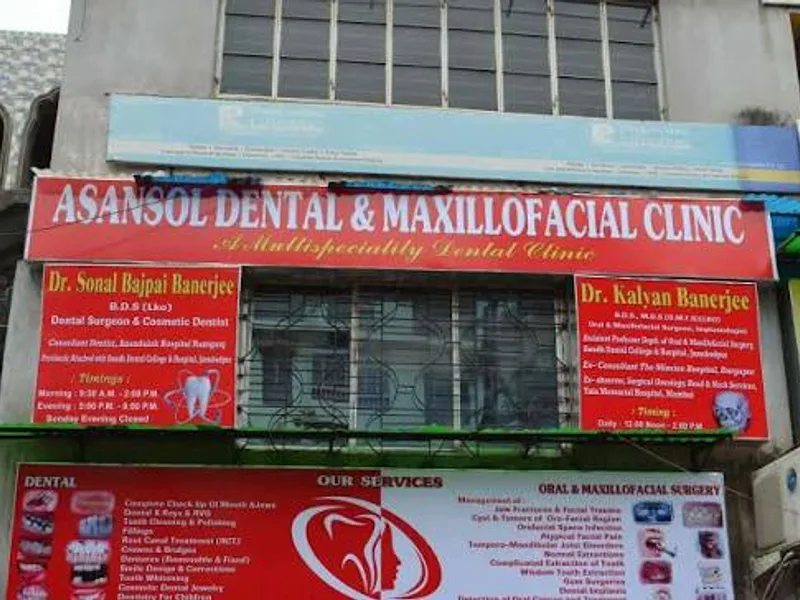
A dentist looks after the teeth, gums, mouth and surrounding oral structures. That can mean something as straightforward as a routine examination or something more involved, such as treatment for tooth decay, gum disease or a damaged tooth.
Common dental problems include cavities, tooth sensitivity, gum bleeding, bad breath, broken teeth and persistent toothache. DOCTAR's resources on cavities and tooth decay explain that early decay may not always be obvious, while more advanced decay can require fillings, crowns, root canal treatment or extraction.
A dentist may also provide preventive care. This can include dental examinations, professional cleaning, advice about brushing and flossing, and assessment of habits that may affect oral health.
How to Find the Best Dentist in Asansol
There is no single dentist who can honestly be called the best for every patient. The right choice depends on the treatment required, the dentist's qualifications, experience and your comfort with the proposed care.
Start by checking the dentist's professional qualifications and area of practice. If you need braces, for example, an orthodontic-focused dentist may be more appropriate than a general dental practitioner. For gum disease, you may need a dentist with periodontal expertise.
Location matters too, particularly if the treatment involves several appointments. A clinic that is reasonably accessible can make follow-up easier.
Look Beyond Online Ratings
Reviews can tell you something about a patient's experience, but they should not be treated as proof of clinical quality. A five-star rating cannot tell you whether a particular treatment is appropriate for your teeth.
Ask practical questions instead. Does the dentist explain the problem clearly? Are treatment options discussed? Are costs explained before a procedure? Does the clinic have the diagnostic facilities needed for the treatment?
Those details are often more useful than a long list of glowing comments.
Common Treatments You May Need
Dental treatment varies considerably depending on the problem. A patient with an early cavity may need a relatively simple restoration, while a badly damaged tooth may require more extensive treatment.
Dental Fillings
Fillings are commonly used when tooth decay has damaged part of a tooth. Composite fillings are tooth-coloured restorations that can be used in appropriate cases. DOCTAR has a detailed guide to composite fillings, including how they are used and what patients should know about them.
The choice of filling material should be made after a dentist examines the tooth. Not every cavity is suitable for the same type of restoration.
Root Canal Treatment
A root canal may be considered when decay or injury has affected the inner pulp of a tooth. The procedure involves removing infected or inflamed tissue, cleaning the canals and sealing the tooth.
The goal is generally to preserve a tooth that might otherwise require removal. DOCTAR's cavity treatment guide also discusses root canal treatment when decay has reached the pulp.
Dental Cleaning
Professional cleaning removes plaque, tartar and surface stains that normal brushing may not completely remove. How often someone needs cleaning depends on their oral health and risk factors rather than a rigid schedule.
DOCTAR's guide to dental cleaning explains why cleaning frequency can vary between individuals.
Gum Problems Should Not Be Ignored
Bleeding gums are sometimes dismissed as a minor issue, but persistent bleeding deserves dental assessment. Gum disease can progress from inflammation of the gums to deeper infection affecting the tissues that support the teeth.
DOCTAR's gingival sulcus guide explains how untreated periodontal disease can affect the supporting tissues and bone around teeth.
Similarly, flossing and gum health highlights the importance of cleaning between teeth, where toothbrush bristles often cannot reach effectively.
In clinical practice, this is often missed because patients tend to treat gum bleeding as something that will disappear on its own. If it keeps happening, getting the cause checked is a sensible step.
When Should You See a Dentist?
You do not have to wait for severe tooth pain before making an appointment. A dental examination can identify problems at an earlier stage, sometimes before symptoms become obvious.
You should consider seeing a dentist if you have:
Persistent toothache
Tooth sensitivity that keeps returning
Bleeding or swollen gums
A broken or chipped tooth
Loose teeth
Persistent bad breath
A visible cavity or dark spot
Pain while chewing
A swelling or lump in the mouth
A mouth sore that does not heal
DOCTAR also discusses gum bumps and when they need assessment.
Facial swelling associated with severe tooth pain can sometimes indicate a dental infection. DOCTAR's guide to swollen cheeks notes that a dental abscess can cause toothache, gum or cheek swelling and other symptoms requiring prompt dental attention.
What to Ask Before Dental Treatment
A good consultation should leave you understanding what is happening, at least in broad terms. You can ask the dentist:
What is causing the problem?
Ask the dentist to explain the suspected cause in simple language. If an X-ray or another investigation is needed, ask why it is being recommended.
What are the treatment options?
Some dental problems have more than one possible approach. Ask about the benefits, limitations and likely follow-up requirements of each option.
What will the treatment cost?
Dental costs vary by procedure, clinic and complexity. Ask for an estimate before starting major treatment and clarify whether follow-up visits are included.
Is treatment urgent?
Not every dental problem requires same-day treatment. However, severe pain, facial swelling, significant bleeding or injury may require prompt evaluation.
Choosing a Dentist for Children
Children need dental care too, and the approach can differ from adult treatment. A child may require age-appropriate communication, preventive advice and monitoring as permanent teeth develop.
DOCTAR's pediatric dental pulpotomy guide explains why preserving primary teeth can matter when deep decay affects a child's tooth.
Parents should also pay attention to daily brushing habits. DOCTAR's guide to proper brushing covers brushing technique, children's oral hygiene and the role of fluoride toothpaste.
Braces, Gaps and Tooth Alignment
Not every dental concern is about decay or pain. Some patients seek treatment because teeth are crowded, crooked or separated by visible gaps.
A gap between teeth is known as a diastema. Depending on its cause, treatment may include orthodontic movement, bonding, veneers or other options. DOCTAR's guide to closing teeth gaps explains why the cause of the gap matters before choosing treatment.
Patients with braces should also take extra care with cleaning. DOCTAR's braces and toothbrush guide discusses the areas around brackets and wires where plaque can collect.
Daily Dental Care Still Matters
Even the best dental treatment cannot replace everyday oral hygiene. Brushing, cleaning between the teeth and sensible dietary habits remain central to preventing common problems.
DOCTAR's floss-before-brushing guide discusses how cleaning between teeth can help remove plaque from areas that brushing misses.
Your toothbrush also needs attention. The toothbrush replacement guide explains why worn bristles can become less effective at cleaning.
Mouthwash can be an additional part of oral care for some people, but it does not replace brushing and interdental cleaning. See DOCTAR's mouthwash guide for general information.
What About Teeth Whitening?
A brighter smile is a common cosmetic concern, but whitening is not suitable for every situation. The reason for tooth discoloration matters because surface stains and changes within the tooth may require different approaches.
DOCTAR's teeth-whitening guide explains the difference between types of stains and when professional dental advice may be preferable.
Similarly, cavity versus stain explains why a dark or discoloured area is not automatically just a stain.
When Is Dental Care Urgent?
Severe tooth pain accompanied by facial or jaw swelling should not be ignored. Difficulty breathing or swallowing in connection with an oral problem requires urgent medical attention.
Other situations that warrant prompt dental evaluation include a knocked-out or badly broken tooth, uncontrolled oral bleeding, significant trauma and rapidly worsening swelling.
Do not rely on home remedies to delay necessary dental assessment. For general information about a simple salt-water rinse, DOCTAR provides a salt-water rinse guide.
Frequently Asked Questions
How do I find the best dentist in Asansol?
Compare professional qualifications, experience, treatment focus, clinic location, consultation fees and patient feedback. The dentist should also explain treatment choices clearly.
How often should I visit a dentist?
There is no single schedule suitable for everyone. Your dentist can recommend a follow-up interval based on your oral health, risk factors and previous dental problems.
Should I see a dentist for bleeding gums?
Persistent or repeated bleeding should be assessed. It can be associated with gum inflammation or periodontal disease.
Can a dentist treat a cavity without a root canal?
Sometimes. Treatment depends on how deep the decay has progressed. Early cavities may be treated with restorative care, while deeper decay can involve the pulp and may require root canal treatment.
Are dental implants suitable for everyone?
Dental implants are one option for replacing missing teeth, but suitability depends on factors such as oral health, bone support and overall clinical assessment. A dentist or dental specialist should evaluate the individual case.
Is teeth whitening safe?
Professional or appropriately used whitening can be suitable for some people, but existing cavities, gum problems or sensitivity may affect whether it is appropriate. A dentist can advise based on an examination.