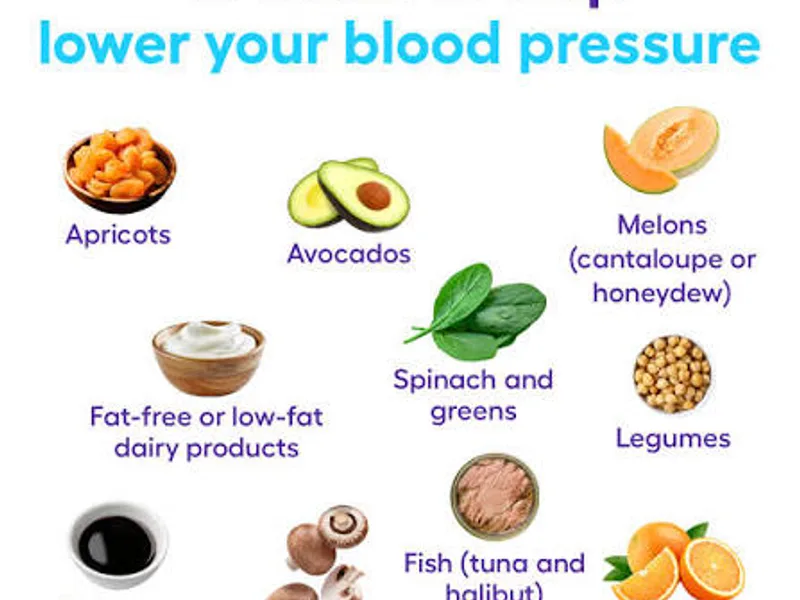
The DASH diet — Dietary Approaches to Stop Hypertension — is widely regarded as the best-studied diet for lowering blood pressure, developed by the National Heart, Lung, and Blood Institute (NHLBI). Clinical trials found the DASH diet lowered average systolic blood pressure by about 5.5 mm Hg compared to a typical American diet, and combining DASH with a lower sodium intake produced even greater reductions. U.S. News & World Report has ranked DASH the best overall diet for eight consecutive years.
[REVIEWER: add clinical insight here — e.g., how you help patients adapt DASH to cultural food preferences or existing eating patterns]
What the DASH diet actually includes
DASH isn't a restrictive or specialty diet requiring unusual ingredients — the NHLBI describes it as a flexible, balanced eating plan with daily and weekly nutritional goals rather than a fixed menu. For a 2,000-calorie-a-day diet, the plan generally includes 6 to 8 servings of grains daily, 4 to 5 servings each of vegetables and fruits, 2 to 3 servings of low-fat or fat-free dairy, 6 or fewer servings of lean meat, poultry, or fish, and smaller amounts of nuts, seeds, legumes, and healthy fats.
The diet limits foods high in saturated fat — fatty meats, full-fat dairy, and tropical oils like coconut and palm oil — along with sugar-sweetened beverages and sweets. Mayo Clinic notes DASH also may help lower LDL ("bad") cholesterol, given the overlap between blood-pressure-friendly and heart-healthy eating patterns.
The mineral trio behind DASH: potassium, magnesium, calcium
What sets DASH apart from a simple low-salt diet is its emphasis on specific minerals shown to influence blood pressure. According to a review published via the NCBI Bookshelf, potassium — abundant in bananas, oranges, and spinach — promotes sodium excretion and reduces contraction in blood vessel walls. Magnesium, found in whole grains, leafy greens, nuts, and seeds, acts as a natural calcium channel blocker that helps blood vessels relax. Calcium, from dairy, fortified soy products, and leafy greens, supports healthy blood vessel function.
Together, the research suggests these nutrients work alongside sodium reduction rather than replacing it — DASH's effect comes from raising helpful minerals and lowering sodium simultaneously, not from either change alone.
The two sodium targets
DASH comes with two evidence-based sodium targets. The standard DASH plan targets under 2,300 mg of sodium a day, roughly the general recommended upper limit for most adults. A lower-sodium version of DASH targets 1,500 mg a day and is specifically recommended for people with hypertension or other cardiovascular risk factors.
Research cited by the NCBI review found that reducing sodium to 1,500 mg daily produced a further systolic blood pressure reduction of about 2 to 7 mm Hg compared to the 2,300 mg target — meaning the lower-sodium version isn't just a stricter option, it has its own additional, measurable benefit for people who need more blood pressure reduction.
The evidence behind DASH comes from a series of NHLBI-funded clinical trials. According to a summary of those trials, DASH reduced average systolic blood pressure by about 5.5 mm Hg compared to a typical American diet — and NIH-reported follow-up research found that combining DASH with sodium reduction can lower blood pressure by an amount comparable to some blood pressure medications, according to the NIH Record.
That's a notable claim, and it comes with an important caveat: it describes average effects across study populations, not a guarantee for any individual, and DASH is generally studied and recommended alongside — not instead of — medication when medication is already needed.
[REVIEWER: add clinical insight here — e.g., how you set expectations with patients about how much blood pressure change to expect from diet alone]
Getting started without overhauling everything
The NHLBI designed DASH to require no special foods, which makes it more approachable than diets built around unusual ingredients or strict rules. A practical starting point is shifting gradually: adding one extra vegetable serving a day, swapping one processed snack for fruit or nuts, and switching from full-fat to low-fat dairy, rather than attempting a complete diet overhaul in a single week.
Reading nutrition labels for sodium content, cooking more meals at home to control added salt, and using herbs and spices instead of salt for flavor are all practical tactics that align directly with DASH's goals. Mayo Clinic's DASH resources include sample menus built around a 2,000-calorie target, which can help translate the food group servings into an actual day of eating.
Who should talk to a doctor before starting
DASH is generally considered safe for most adults, but a few groups should coordinate with a healthcare provider before adopting it. People with kidney disease may need to be cautious about the diet's potassium content, since impaired kidneys can struggle to clear excess potassium. Anyone on blood pressure or heart medication should also loop in their doctor, since significant diet changes combined with medication can sometimes require dose adjustments over time.
A practical takeaway
Start with the sodium side of DASH first — checking labels, cutting back on processed food, and cooking more at home — since sodium reduction is one of the most consistently supported single changes. Layer in more fruits, vegetables, and low-fat dairy over the following weeks, and track your blood pressure with a home monitor to see how your numbers respond over a month or two, bringing that data to your next doctor's visit.
FAQ
What is the best diet for high blood pressure? The DASH diet (Dietary Approaches to Stop Hypertension), developed by the National Heart, Lung, and Blood Institute, has the strongest clinical trial evidence for lowering blood pressure. It emphasizes fruits, vegetables, whole grains, and low-fat dairy while limiting sodium and saturated fat.
How much sodium should someone with hypertension eat per day? The DASH diet offers two targets: under 2,300 mg of sodium daily for general use, and a lower target of 1,500 mg daily specifically recommended for people with hypertension or other cardiovascular risk factors, which research shows produces additional blood pressure reduction.
How much can the DASH diet lower blood pressure? Clinical trials found DASH lowered average systolic blood pressure by about 5.5 mm Hg compared to a typical diet, with NIH-reported research suggesting that combining DASH with sodium reduction can approach the effect of some blood pressure medications in some people.
Is the DASH diet hard to follow? It's designed to be flexible rather than restrictive — the NHLBI notes it requires no special foods, just food-group-based daily and weekly targets. Most people can adapt DASH gradually using familiar foods rather than switching to unusual ingredients.
Can someone with kidney disease follow the DASH diet? It depends on the individual. Because DASH is high in potassium, people with kidney disease should talk to their doctor before adopting it, since impaired kidney function can affect how well the body clears excess potassium.