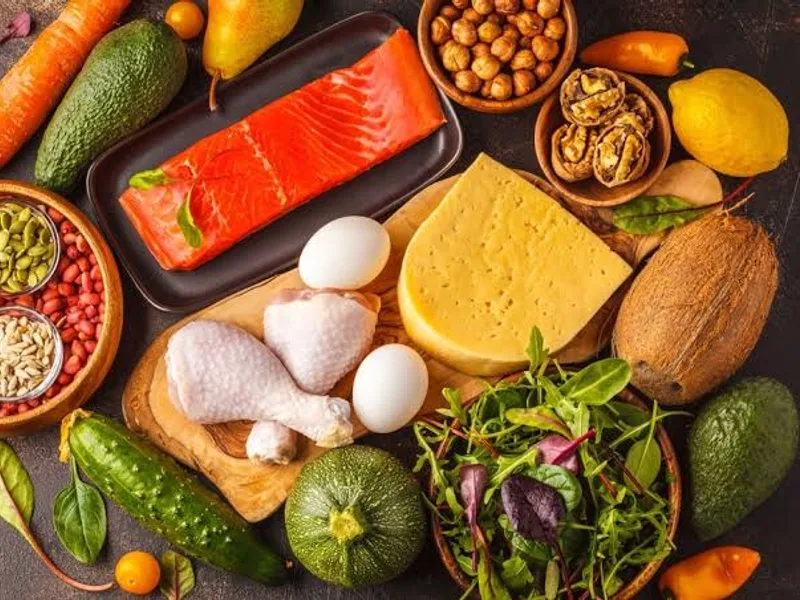
The best diet for PCOS isn't one fixed meal plan — it's an eating pattern low in refined carbohydrates and high in fiber, healthy fats, and lean protein, similar to a Mediterranean or low-glycemic diet. Research shows that several different approaches, including Mediterranean-style, low-glycemic , and calorie-controlled diets, can improve insulin resistance, hormone levels, and menstrual regularity in women with PCOS. No single diet has been proven definitively superior; the right one is the one a person can follow consistently.
A naming update: In May 2026, PCOS was officially renamed polyendocrine metabolic ovarian syndrome (PMOS) through a global consensus process published in The Lancet and backed by the Endocrine Society. This article uses "PCOS" for search familiarity, alongside the updated name.
Why Diet Matters So Much in PCOS
Diet plays an outsized role in PCOS because insulin resistance is central to how the condition develops for many people. When the body doesn't respond well to insulin, blood sugar and insulin levels rise, which can prompt the ovaries to produce more androgens — the hormones behind symptoms like irregular periods, acne, and excess hair growth. Diets that improve insulin sensitivity can, in turn, ease some of these downstream symptoms. Weight management is also considered one of the main treatment strategies in international PCOS guidelines, since excess weight tends to worsen the condition's clinical picture.
[REVIEWER: add clinical insight here — for example, how you help patients choose between diet approaches based on their individual symptom pattern]
The Mediterranean-Style Approach
Among the diets studied for PCOS, Mediterranean-style eating has some of the most consistent research behind it. This pattern emphasizes vegetables, fruits, whole grains, legumes, nuts, and olive oil, with fish and poultry favored over red meat. Research has linked Mediterranean-style eating to improved metabolic and hormonal outcomes in women with PCOS, alongside its well-established benefits for cardiovascular health more broadly. Because it isn't restrictive in the way some other diets are, many people find it easier to sustain long-term.
Low-Glycemic Eating
A low-glycemic diet focuses on choosing carbohydrates that raise blood sugar more slowly — think whole grains, legumes, and non-starchy vegetables over refined grains and added sugars. Since insulin resistance affects a large share of women with PCOS, this approach directly targets one of the condition's key drivers. Research has found that low-glycemic eating patterns can help stabilize blood sugar and support insulin sensitivity, making it one of the more evidence-backed strategies for PCOS-related symptoms.
What About Low-Carb and Ketogenic Diets?
Lower-carbohydrate approaches, including ketogenic diets, have also been studied in PCOS, with some research showing benefits for weight and insulin resistance. However, the evidence base for very low-carb approaches in PCOS is smaller and less consistent than for Mediterranean or low-glycemic patterns, and more long-term research is still needed. If you're considering a more restrictive approach like keto, it's worth discussing with a doctor or dietitian first, since it may not suit everyone's health needs or preferences.
Foods That Tend to Help
Across the research, a few common threads show up regardless of which named diet is used. Non-starchy vegetables and leafy greens, whole grains like oats and quinoa, legumes, fatty fish, nuts, and olive oil all appear frequently in diets linked to improved PCOS outcomes. Fiber-rich foods in particular help slow blood sugar spikes and support digestion, which is part of why they show up across nearly every evidence-based PCOS eating pattern.
Foods Often Recommended in Moderation
Refined carbohydrates, sugary drinks, and heavily processed foods are generally recommended in smaller amounts, since they tend to worsen blood sugar spikes and insulin resistance. This doesn't mean eliminating entire food groups or treating any single food as forbidden — most current guidance favors an overall eating pattern over strict rules, since sustainability matters more than short-term perfection.
There's No Perfect Diet — Only a Sustainable One
A 2026 systematic review looking at 38 studies on diet and PCOS found that several different approaches — calorie-restricted, low-glycemic, ketogenic, intermittent fasting, and Mediterranean-style — all showed benefits for metabolic and hormonal outcomes, though effects on inflammation and cholesterol were more mixed across studies. The takeaway many dietitians point to isn't which single diet wins, but which one a person can realistically maintain, since consistency tends to matter more than the specific label on the diet.
[REVIEWER: add clinical insight here — for example, how you approach diet recommendations for patients who've tried and abandoned multiple "PCOS diets" already]
Working With a Dietitian
Because PCOS symptoms and needs vary so much between individuals, working with a registered dietitian can help translate general research findings into a plan that fits a person's specific health goals, food preferences, and any other conditions they're managing. This is especially useful for people also navigating fertility goals, since dietary needs can shift depending on whether pregnancy is a current priority.
This article is for general education and isn't a substitute for medical advice. Only a qualified healthcare provider or registered dietitian can recommend a specific eating plan for PCOS or PMOS based on individual health needs.
FAQ
Is there one official diet for PCOS? No single diet is officially designated as "the" PCOS diet. Research supports several approaches — Mediterranean-style, low-glycemic , and calorie-controlled eating — as beneficial, so the best choice often depends on what a person can sustain long-term.
What foods should I avoid with PCOS? There's no strict list of forbidden foods, but refined carbohydrates, sugary drinks, and heavily processed foods are generally recommended in moderation, since they can worsen blood sugar spikes and insulin resistance.
Does the Mediterranean diet help PCOS? Yes, research has linked Mediterranean-style eating to improved metabolic and hormonal outcomes in women with PCOS, including better insulin sensitivity. It's also one of the more sustainable long-term approaches since it isn't highly restrictive.
Is a low-carb diet better than Mediterranean for PCOS? Neither has been proven definitively superior. Both approaches show benefits in research, particularly for insulin resistance, so the better choice often comes down to personal preference and what's realistic to maintain over time.
Can diet alone manage PCOS symptoms? For some people, diet changes meaningfully improve symptoms, but others need medical treatment in addition to dietary changes, especially with more severe symptoms or fertility concerns. A doctor or dietitian can help determine what combination makes sense.
Practical Takeaway
Instead of searching for the one "correct" PCOS diet, look for an eating pattern built around whole foods, fiber, and healthy fats that you can actually stick with most days. Consistency over time tends to matter more than which specific diet label you choose — and a registered dietitian can help you adapt the research to your own routine.