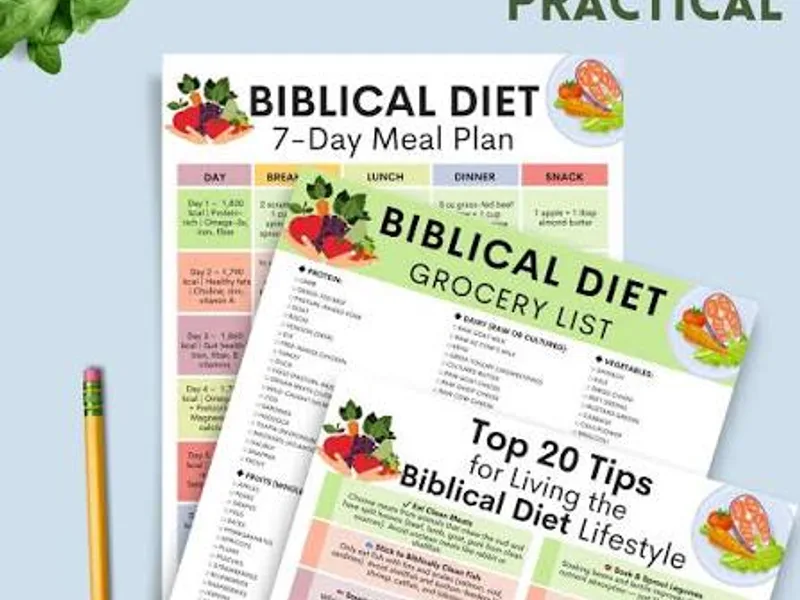
What Is the Biblical Eating Faith Diet?
The Biblical eating faith diet is a faith-based approach to food inspired by passages in the Bible. Unlike medically defined diets such as the Mediterranean or DASH diet, it does not have one universally accepted food list, calorie target, or clinical protocol.
Different Christians interpret biblical food teachings differently. Some focus on eating natural, minimally processed foods. Others follow Old Testament food laws, while some emphasize moderation, gratitude, fasting, and caring for the body.
That distinction matters. A person can follow a Bible-inspired eating pattern without claiming that Scripture prescribes a scientifically proven treatment for a disease.
Healthy Eating in India offers a useful comparison because it focuses on practical, sustainable food habits rather than a rigid food list.
What Foods Are Mentioned in the Bible?
Biblical references to food are broad and varied. Genesis describes plants and fruit as food, while later passages describe grains, legumes, fish, meat, dairy products, herbs and other foods.
The book of Daniel is often cited by people interested in a Bible-based diet. In Daniel 1, Daniel and his companions choose vegetables and water during a period of testing. That passage is sometimes used as inspiration for what is popularly called the "Daniel Diet."
However, the Daniel account should not automatically be treated as a modern clinical diet plan.
The Old Testament also contains detailed dietary laws in Leviticus 11 and Deuteronomy 14. These include distinctions between animals considered clean and unclean. Christian traditions differ considerably in how these passages are interpreted today.
For readers interested in food quality rather than religious dietary law, 11 Most Nutrient-Dense Foods for a Healthy Indian Diet provides a modern nutrition perspective on choosing nutrient-rich foods.
Does the Bible Promote Healthy Eating?
The Bible contains several themes that can encourage thoughtful eating, but it does not make modern medical claims about nutrition.
Ideas such as moderation, gratitude, self-control and avoiding excess can fit comfortably alongside healthy eating principles. Many Bible-inspired diets also naturally emphasize foods such as grains, fruits, vegetables, legumes, nuts and seeds.
Modern nutrition research supports many of these foods as valuable parts of a balanced diet. Unlock the Power of Fiber: Your Essential Guide to a High-Fiber Diet explains why fiber-rich foods such as whole grains, vegetables, fruits and legumes matter for digestive and cardiovascular health.
Still, "natural" does not automatically mean "healthy in unlimited amounts." Large portions of calorie-dense foods can still contribute to excess calorie intake.
Understanding Daily Calorie Needs for Weight Management in India explains why individual energy needs vary according to factors such as body size, age and activity.
Biblical Eating Is Not the Same as a Medical Diet
This is where online discussions can become confusing. A Biblical eating faith diet may have spiritual value, but it should not be presented as a substitute for medical treatment.
Someone with diabetes, kidney disease, heart disease, food allergies or another medical condition may need dietary adjustments that are not obvious from Scripture alone.
For example, people managing diabetes may need to consider carbohydrate portions, meal patterns and overall nutritional balance. Eating Well with Diabetes: A Practical Guide for Indians and Mastering Your Plate: A Comprehensive Guide to Blood Sugar-Friendly Meals for Diabetes discuss these issues from a modern nutrition perspective.
In clinical practice, this is often missed because people can become so focused on whether a food is "allowed" that they overlook the patient's actual medical needs, medications, nutritional status and eating pattern.
Faith can guide values. Medical care should guide treatment.
Can a Biblical Diet Include Meat?
Yes, depending on the interpretation.
The Bible contains many references to animal foods, including fish and meat. Genesis 9:3, for example, describes animals being given as food. Other biblical passages establish distinctions about which animals could be eaten under Old Testament law.
Modern Christian practice varies. Some believers choose vegetarian or plant-focused eating for personal, ethical or spiritual reasons, while others include meat, fish, eggs and dairy.
There is no need to force every Christian into one dietary pattern.
For a modern look at protein choices, 17 Protein-Rich Foods for a Healthier Indian Life discusses both animal and plant sources. Can Eating Too Much Protein Lead to Constipation? also explains why a high-protein pattern should not crowd out fiber-rich foods.
What About Fasting?
Fasting has a significant place in the Bible. Biblical fasting can involve abstaining from food for a period of time, but religious fasting should not automatically be treated as a weight-loss technique.
People with diabetes, pregnancy, eating disorders, certain chronic illnesses, or medicines that require food may need medical advice before undertaking a fast.
The purpose of religious fasting may also be spiritual rather than nutritional. Turning it into a quick-fix diet can miss that distinction.
Anyone considering major dietary restriction can also review The Prediabetes Diet: Your Comprehensive Guide to Preventing Type 2 Diabetes and Keto for Type 2 Diabetes: A Comprehensive Guide to Benefits, Risks, and Considerations for examples of why disease-specific diets require careful consideration.
How to Follow a Biblical Eating Pattern Responsibly
A practical approach is to start with principles rather than strict rules.
Build meals around vegetables, fruits, whole grains, legumes, nuts, seeds and appropriate protein sources. Limit highly processed foods and excessive added sugar while keeping portions sensible.
That approach is compatible with many interpretations of faith-based eating without pretending that the Bible provides a modern nutritional prescription.
Cultural Foods: A Delicious Path to Healthy Eating for Indians is particularly useful for readers who want to connect healthy eating with traditional food practices.
Mindful eating can also fit naturally with a faith-based approach. Eating slowly, being grateful for food and avoiding unnecessary excess are practical habits regardless of religious tradition.
For additional guidance, see Let's Eat: Practical Tips for Simple, Affordable, and Sustainable Healthy Eating and Eating for a Healthy Heart: Your Comprehensive Guide to Managing High Cholesterol Through Diet.
Biblical Diet and Weight Loss
Some people discover the Biblical eating faith diet while looking for a way to lose weight. It may help indirectly if it encourages more whole foods, fewer highly processed foods and greater awareness of portions.
But there is no good basis for saying that a specific "Biblical diet" automatically causes weight loss.
Weight management depends on the overall balance between food intake, energy use, activity, sleep, health conditions and other factors. Setting Smart Weight Loss Goals: A Practical Guide for Indians discusses sustainable approaches rather than extreme restriction.
People who are already trying to lose weight can also read Is Your Diet Sabotaging Your Weight Loss? Take Our Eating Right Quiz! and Weight Loss Plateaus: 10 Common Reasons You're No Longer Losing Weight.
A Balanced Way to Think About the Biblical Diet
The strongest case for a Biblical eating faith diet is not that it is a secret medical formula. It is that food can become part of a person's values, habits and spiritual life.
That does not mean every biblical food reference should be converted into a modern nutrition rule.
For example, Master Your Plate: A Comprehensive Guide to Heart-Healthy Foods explains modern dietary patterns such as Mediterranean and DASH eating, while Nourish Your Heart: Top Foods to Combat High Blood Pressure focuses on foods relevant to cardiovascular health.
Similarly, What is Fibremaxxing? Benefits for Gut Health explores current interest in fiber, while Low GI Fruits for Diabetics: A Doctor's Guide looks at fruit choices through the specific lens of blood sugar management.
These modern resources can complement a faith-based food philosophy, but they should not be confused with biblical teachings.
Other Nutrition Resources
Readers looking for practical nutrition information may also find Managing Crohn's Disease: A Comprehensive Guide to Diet and Nutrition useful when digestive disease affects food choices.
Can Vitamins Really Help You Lose Weight? explains why supplements should not be treated as shortcuts to healthy weight management.
For people concerned about heart health, Master Your Plate: A Comprehensive Guide to Heart-Healthy Foods offers broader dietary context.
And those interested in simple food preparation can explore Chickpea Tomato Salad: A Refreshing Mediterranean Delight for Your Health as an example of how legumes and vegetables can fit into a balanced eating pattern.
One more practical point: dietary fat is not something that needs to be eliminated simply because a diet is supposed to be "clean." Understanding Fat Intake for Diabetics: A Daily Guide explains why the type and amount of fat matter, particularly for people with diabetes.