Doctors have been telling people with high blood pressure to exercise more for decades, and the advice generally holds up. But "exercise more" isn't specific enough to actually be useful, and it glosses over some real nuance about which activities help, which ones need caution, and why timing matters more than people assume.
If you've had a blood pressure reading come back higher than you'd like, or you're managing hypertension already, this is worth understanding properly rather than just nodding along at your last appointment.
How Exercise Actually Affects Blood Pressure
During exercise, your blood pressure rises temporarily. That's normal and expected, your heart is working harder and pumping more blood to your muscles. This isn't the concerning kind of high blood pressure, it's a short-term response to physical demand.
What matters more is what happens afterward and over time. Regular aerobic exercise, done consistently over weeks and months, tends to lower resting blood pressure in many people, sometimes meaningfully. The exact amount varies a lot between individuals, and some people respond better to exercise-based blood pressure management than others.
Resistance training, like weightlifting, causes a different pattern. Blood pressure can spike quite sharply during heavy lifting, particularly with breath-holding under strain, a habit called the Valsalva manoeuvre. This spike is usually brief, but it's part of why heavy resistance training needs a slightly different conversation for people with uncontrolled hypertension.
Aerobic vs Resistance Exercise for Blood Pressure
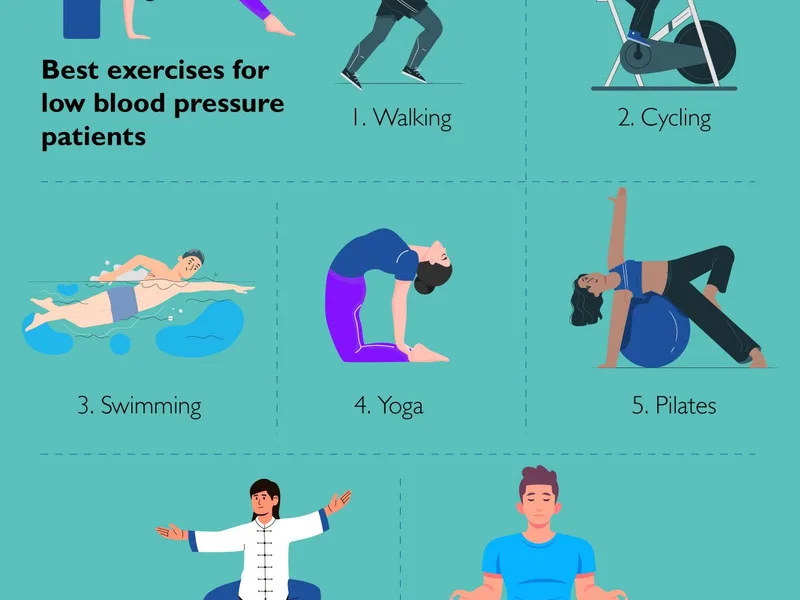
Aerobic exercise, things like brisk walking, cycling, or swimming, generally has the strongest and most consistent evidence behind it for lowering resting blood pressure over time. This is usually where doctors point people first if blood pressure management through exercise is the goal.
Resistance training still has real value, including for long-term cardiovascular health and muscle maintenance, but it's approached more carefully for people with uncontrolled high blood pressure. Moderate resistance training with proper breathing technique, avoiding breath-holding during lifts, is generally considered safer than very heavy lifting for someone whose blood pressure isn't well controlled yet.
In clinical practice, this is often missed because patients assume all exercise affects blood pressure the same way, when the type, intensity, and even breathing pattern during the activity genuinely change the picture. A brisk walk and a max-effort deadlift are not interchangeable when it comes to blood pressure response, even if both count as "exercise" broadly.
What's Genuinely Safe to Start With
For most people with mild to moderately controlled high blood pressure, moderate aerobic activity, the kind where you can talk but not sing comfortably, is a reasonable starting point. Walking, light cycling, and swimming are commonly recommended because they raise heart rate steadily without extreme spikes.
If your blood pressure is significantly uncontrolled or you have other heart-related risk factors, please don't self-start an intense routine based on general advice like this. A cardiologist or general physician near you can assess your current readings and advise what's actually appropriate for your situation before you begin.
Building a Routine Without Overdoing It
Start slow if you're new to exercise, particularly if blood pressure has been an issue for a while. Ten to fifteen minutes of brisk walking most days is a reasonable early target for many people, building up gradually rather than jumping into something demanding in week one.
Consistency matters more than intensity here. Someone doing moderate walks most days of the week tends to see steadier blood pressure benefits than someone doing one intense workout weekly and nothing else. That's not a personal opinion, it's roughly how the body adapts to repeated, moderate cardiovascular demand.
Monitor how you feel during activity, not just your resting numbers. Dizziness, chest discomfort, or unusual breathlessness during exercise are reasons to stop and get checked, not push through in the name of consistency.
When to Get Checked Before Starting
Certain situations genuinely call for a proper check-up before building any new routine around blood pressure and exercise.
Blood pressure readings consistently above what your doctor considers safe
Any history of heart disease, stroke, or a past cardiac event
Chest pain, dizziness, or breathlessness during mild activity
Diabetes alongside high blood pressure
Starting or changing blood pressure medication recently
A stress test or basic cardiac workup, arranged through a diagnostic centre near you, can give useful information before ramping up exercise intensity if your doctor thinks it's warranted. This isn't necessary for everyone, but it's worth asking about directly rather than assuming it doesn't apply to you.
Blood Pressure Rarely Sits in Isolation
High blood pressure often travels alongside other conditions, and treating exercise as the only lever tends to miss the fuller picture. If diabetes is part of your health profile too, an endocrinologist should be involved in coordinating care alongside blood pressure management.
Diet has a genuine and well-established role in blood pressure control, and a dietitian can help build an eating plan that supports what your exercise routine is trying to achieve rather than working against it. If joint pain or old injuries make certain activities difficult, a physiotherapist can adapt a routine around those limitations safely.
Women managing blood pressure during pregnancy should be closely monitored by a gynecologist, since pregnancy-related hypertension is a distinct and serious concern requiring specific medical oversight. Children with elevated blood pressure readings need evaluation by a pediatrician rather than adult exercise guidance applied casually.
Getting the Right Support Around You
Managing blood pressure through exercise usually works better with proper monitoring built in from the start, not figured out through trial and error. You can browse verified doctors near you or doctors in Kolkata to find someone to guide the process. For a fuller cardiac and blood pressure workup, hospitals near you or hospitals in Kolkata often run dedicated screening packages worth asking about.
Routine blood pressure and related blood work, including cholesterol and kidney function panels, can be booked through diagnostic centres across Kolkata, often with home collection available if regular monitoring is needed. If mobility makes clinic visits difficult, home visit doctor services can bring that initial consultation to your door, and home nursing services can help with ongoing blood pressure monitoring between appointments.
Medicines prescribed after a check-up can be ordered through a pharmacy near you rather than adding another errand to your week, and a compounder can assist with routine vitals checks at home. Anyone with breathing limitations affecting exercise capacity should consider a pulmonologist, and skin changes noticed during exertion are worth mentioning to a dermatologist if they persist. If a cardiac workup ever points toward a procedure, comparing options through surgery listings is a reasonable next step, and outside Kolkata, similar guidance applies through doctors across India.