A blood sugar spike is not automatically a problem
Blood glucose naturally rises after you eat. The body responds by releasing insulin, a hormone that helps move glucose from the bloodstream into cells where it can be used for energy.
The concern is usually not one isolated rise. It is a pattern of glucose staying too high, repeated large rises, or readings that do not fit the person's usual treatment plan.
Doctar's guide to understanding blood sugar levels explains how fasting, after-meal and longer-term glucose measurements fit together. It also stresses that individual targets can differ depending on health and treatment.
That distinction matters. A healthy person's glucose response after a meal is not judged in exactly the same way as the readings of someone using insulin for diabetes.
What causes blood sugar to rise quickly?
Food is the obvious trigger, but it is not the only one.
Meals high in rapidly absorbed carbohydrates, particularly sugary drinks and highly processed foods, can raise glucose quickly. The amount eaten matters too. A large serving of carbohydrate can produce a different response from a small portion of the same food.
Doctar's guide to the glycemic index explains that the glycemic index, or GI, estimates how quickly carbohydrate-containing foods raise blood glucose. It also points out that portion size, cooking, processing and food combinations affect the real-world response.
But glucose does not live in a vacuum. Stress hormones can push blood sugar upward, while illness or infection can also make control harder. Poor sleep and inactivity can affect insulin sensitivity as well.
Doctar's blood sugar guide covers these factors, including stress, sleep, illness, medication and physical activity.
Why the same meal can produce different readings
A bowl of rice does not produce an identical glucose response every time you eat it.
Your activity level, sleep, stress, the amount of carbohydrate, what you eat alongside it and your body's insulin response can all change the result. Two people can eat the same meal and see different glucose patterns.
That is one reason a single glucose reading rarely tells the whole story.
In clinical practice, this is often missed because people see one high number and immediately blame the last food they ate. Looking at repeated patterns is usually more useful than turning one reading into a diagnosis.
The Indian diet adds another layer
Rice, roti, poha, dosa, idli, potatoes and other carbohydrate-rich foods are part of everyday Indian eating. They do not need to disappear from the plate simply because someone is concerned about glucose.
The bigger issue is often the combination of portion size, preparation and what accompanies the carbohydrate.
Doctar's practical Indian diabetes diet guide discusses whole grains, dals, vegetables, protein and portion control rather than treating individual foods as simply “good” or “bad.”
Its guide to diabetes-friendly cereals also explains why processing, carbohydrate type and serving size can influence glucose response.
A favourite food can often stay on the menu. The question is how much, how often and what else is on the plate.
Does protein help reduce glucose spikes?
Protein generally has a smaller immediate effect on blood glucose than carbohydrate, and including protein in a balanced meal can influence digestion and fullness.
Think dal, beans, eggs, curd, paneer, tofu, fish or other suitable protein sources rather than relying automatically on supplements.
Doctar's blood-sugar-friendly plate guide recommends considering protein, fibre-rich vegetables and appropriate carbohydrate portions together rather than focusing on one nutrient in isolation.
For people with prediabetes, Doctar's prediabetes diet guide similarly emphasises whole foods, vegetables, lean proteins and fibre.
What about fruit?
Fruit contains natural sugar, but that does not make whole fruit equivalent to sweets or sugary drinks.
Whole fruit also provides fibre and other nutrients. Juice removes much of the fibre and can be consumed much more quickly than a whole piece of fruit.
Doctar's low-GI fruit guide discusses options such as guava, apples, pears and citrus fruit while stressing portion size and individual glucose responses.
Its low-glycemic fruit guide for Indians also recommends whole fruit rather than relying on fruit juice.
There is no need to fear every sweet-tasting fruit. But if you have diabetes, your own glucose readings and your clinician's advice can help determine portions that work for you.
Can walking after a meal help?
Movement after eating can influence post-meal glucose because working muscles use glucose for energy.
A short, comfortable walk can therefore be a practical habit for many people. It is not a replacement for prescribed diabetes treatment, but it can form part of an overall activity plan.
Doctar's guide to walking after meals reviews evidence around post-meal walking and glucose control.
If you have complications, mobility problems or other medical concerns, check with your healthcare professional before changing your exercise routine.
How does a glucose meter work?
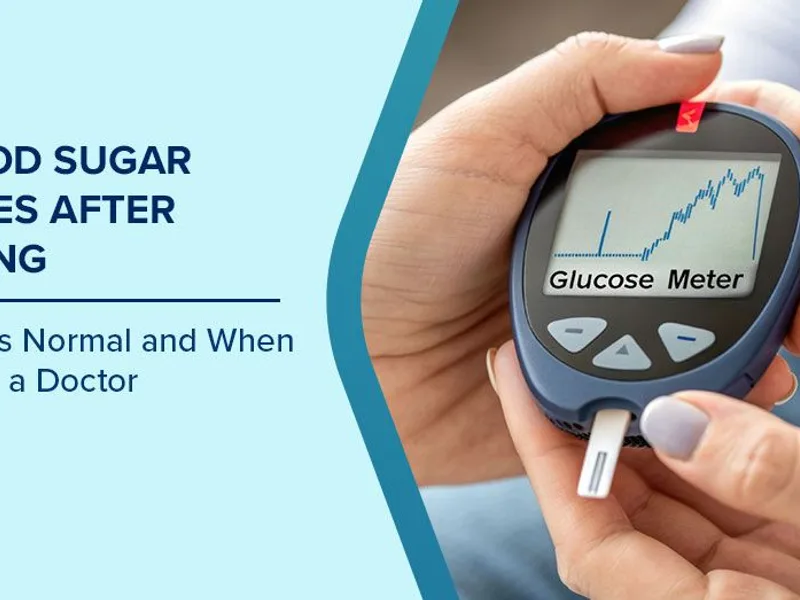
A traditional blood glucose meter gives you a snapshot. Usually, a small blood sample from a finger is placed on a test strip and the meter provides a glucose reading.
That number can be useful, but timing matters. A fasting reading, a reading shortly after a meal and a reading taken several hours later answer different questions.
Doctar sells and describes home glucose-monitoring devices such as the K-Life Gluneo Lite glucose meter, which uses test strips for self-monitoring.
Its Dr Morepen Gluco One monitoring system is another example of a capillary blood glucose meter.
Always follow the device manufacturer's instructions and your clinician's advice about when and how to monitor.
What is continuous glucose monitoring?
A continuous glucose monitor, or CGM, tracks glucose repeatedly using a small sensor placed under the skin. Unlike a finger-stick meter, which provides individual snapshots, a CGM can show trends across the day and night.
That can reveal patterns that occasional testing might miss, such as glucose rising after certain meals or falling during particular periods.
Doctar's CGM explainer describes how CGMs measure glucose in fluid beneath the skin and display trends and alerts.
CGMs can be particularly useful in diabetes care, but wearing one does not automatically make a person healthier. The information still needs interpretation.
Should everyone use a CGM?
Probably not.
CGMs can provide valuable information for people who need close glucose monitoring, but whether one is appropriate depends on diabetes type, treatment, access, cost and clinical circumstances.
Doctar's guide to making CGMs more affordable discusses access and cost considerations for people managing diabetes in India.
For someone without diabetes, wearing a CGM simply to watch every rise and fall can also create unnecessary worry. Glucose is supposed to move.
The goal is not a perfectly flat graph.
What does HbA1c tell you?
HbA1c, often called A1C, is different from a daily glucose reading. It reflects average blood glucose exposure over roughly the previous two to three months.
That makes it useful for diagnosing diabetes and assessing longer-term glucose control. It cannot, however, show every individual spike.
Doctar's diabetes diagnosis guide describes A1C alongside fasting glucose, oral glucose tolerance testing and random glucose testing.
Doctar's prediabetes diagnosis guide also explains how A1C and fasting glucose are used when assessing prediabetes.
If your home readings are repeatedly high, do not try to diagnose yourself from the meter alone. A clinician can decide whether laboratory testing is needed.
Stress, sleep and blood sugar are connected
A difficult week at work can show up on a glucose monitor.
Stress hormones can affect glucose, and insufficient sleep may reduce insulin sensitivity. Illness can have an even more noticeable effect.
Doctar's type 2 diabetes management guide discusses physical activity, weight management, stress, sleep and other parts of diabetes care.
Doctar's guide to hormonal influences on type 2 diabetes also explains how hormones can influence insulin resistance and glucose control.
So if glucose rises during an illness or stressful period, do not assume food was the only explanation.
What should you do about repeated spikes?
Start with the pattern, not panic.
Keep track of when readings occur, what you ate, physical activity, sleep and any relevant illness or medication changes if your healthcare professional has advised you to monitor. This can make a consultation far more useful.
Doctar's guide to high blood sugar lists diet, inactivity, stress, illness, dehydration and medication issues among factors that can contribute to elevated glucose.
Do not change insulin or other diabetes medication because of one reading. Doctar's insulin guide explains why insulin treatment needs to be individualised.
Likewise, never use another person's medication plan as your own.
When does a spike need medical attention?
Repeatedly elevated readings, unexplained glucose changes or symptoms such as excessive thirst, frequent urination, unusual fatigue, blurred vision or unexplained weight change deserve medical assessment.
Urgent symptoms can be more serious, particularly when very high or very low glucose occurs with confusion, severe weakness, vomiting, difficulty breathing or loss of consciousness.
Doctar's diabetic emergency guide explains why severe glucose abnormalities can become medical emergencies and why monitoring and treatment plans matter.
The exact action depends on the person's diabetes type, medication and clinical situation. When in doubt about a concerning reading or symptoms, contact a healthcare professional rather than relying on an internet article.