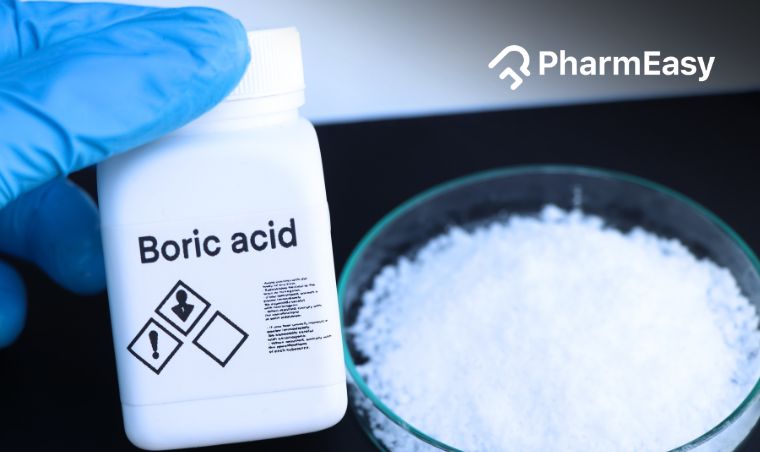
Boric Acid and Sperm: Unpacking the Claims
Meena, 45, a homemaker from Jaipur, experienced an unusual vaginal discharge and discomfort. Her neighbour suggested a boric acid suppository, a common home remedy for yeast infections in some Indian households. While effective for its intended purpose, Meena wondered, as many do, if this widely available compound might have unintended consequences on her reproductive health.
Does boric acid harm sperm? It’s a question that surfaces frequently, particularly as people explore various remedies and potential contraceptives. The reality is, the relationship between boric acid and sperm is complex and warrants a closer look at the scientific evidence.
The Science Behind Boric Acid's Impact on Sperm
Boron, the active element in boric acid, is an essential trace element for many organisms. However, at higher concentrations, it can become toxic. In the context of reproductive health, research has investigated boric acid's potential spermicidal properties.
Studies suggest that boric acid can indeed affect sperm movement and survival. Think about it this way: the acidic nature of boric acid can alter the vaginal environment, making it less hospitable for sperm survival. Boron itself has been shown to interfere with sperm's energy production and membrane integrity.
Most people overlook this completely.
Sperm Motility and Viability Under Threat?
Several laboratory studies have demonstrated that exposure to boric acid significantly reduces sperm's ability to move (motility) and survive (viability). These findings are often based on in-vitro experiments where sperm are directly exposed to varying concentrations of boric acid. 5% could impair sperm function.
The mechanism involves disruption of the sperm's acrosome, a cap-like structure essential for penetrating the egg, and interference with crucial enzymes needed for fertilization. Why does this happen? Boric acid can disrupt the delicate biochemical balance within the sperm, hindering its journey and ability to fertilize an egg.
Concentration Matters: The Key Factor
Worth knowing: the effect of boric acid on sperm is highly dependent on the concentration used and the duration of exposure. While laboratory studies often use specific, sometimes high, concentrations to observe effects, the amount of boric acid absorbed vaginally and its sustained presence in the reproductive tract can vary. 0 in solution, can alter this delicate balance.
However, the systemic absorption of boric acid from vaginal use is generally considered low, especially when used as directed for short periods for conditions like recurrent yeast infections. The World Health Organization (WHO) provides guidelines on safe concentrations for various applications, and it’s crucial to adhere to these standards.
The numbers don't lie.
Boric Acid as a Spermicide: Efficacy and Risks
The idea of boric acid as a contraceptive agent has circulated, especially in informal settings. However, medical professionals and reproductive health organisations do not recommend it as a primary method of birth control. Practicing floor sitting, typical in many Indian homes, could potentially increase exposure duration if boric acid is used, though direct correlation to contraceptive efficacy is unproven.
While it might have some spermicidal effect, its efficacy is not as well-established or reliable as commercially available spermicides. The risks associated with using boric acid for contraception far outweigh any potential benefits.
Unproven Contraceptive Efficacy
Unlike FDA-approved spermicides that are tested for effectiveness and safety, boric acid has not undergone rigorous clinical trials to establish its reliability as a contraceptive. The actual concentration reaching the cervix and interacting with sperm in a way that guarantees prevention of pregnancy is highly variable and unquantified.
Relying on it for birth control would lead to a significantly higher risk of unintended pregnancy. For context, modern contraceptives have failure rates often below 10% when used correctly, whereas an unproven method like boric acid could have a failure rate upwards of 30-50% or even higher.
This is where most patients struggle.
Potential Health Risks and Side Effects
Using boric acid vaginally, especially in higher concentrations or for prolonged periods, can lead to significant health risks. These include severe vaginal irritation, burning, itching, and inflammation. It can disrupt the natural vaginal flora, making one more susceptible to other infections. The Indian Council of Medical Research (ICMR) emphasizes the importance of using medically approved treatments for vaginal conditions.
On top of that,, if absorbed systemically in large amounts, boric acid can be toxic, affecting the kidneys and central nervous system. This is particularly concerning for pregnant women, as boric acid exposure has been linked to developmental issues in animal studies. The Lancet has published research highlighting the potential teratogenic effects of boron compounds in experimental settings.
Expert Opinions and Medical Recommendations
Leading medical experts and gynaecologists worldwide advise against using boric acid as a contraceptive or for self-treating gynaecological conditions without professional guidance. The Indian Menopause Society (IMS) and similar professional bodies stress the importance of evidence-based medicine.
, 600 mg suppositories inserted once daily for 7-14 days). The dosage and duration are carefully controlled to minimize risks and maximize therapeutic benefit for the intended condition.
When Boric Acid Might Be Prescribed
Doctor-prescribed boric acid suppositories are a recognised treatment for certain vaginal infections, particularly those resistant to standard antifungal or antibiotic therapies. For example, persistent yeast infections or bacterial vaginosis might be treated with boric acid. The typical recommendation involves inserting one 600 mg suppository into the vagina at bedtime for a specified duration, usually one to two weeks.
The numbers don't lie.
It’s crucial that this is done only under the direction of a healthcare provider who can assess the need, monitor for side effects, and ensure the correct product is used. The International Diabetes Federation (IDF) notes that women with diabetes may be more prone to vaginal infections, but even in such cases, self-approach with boric acid is discouraged.
Why Self-therapy is Risky
Self-treating vaginal issues with boric acid can be dangerous. You might be treating the wrong situation, leading to delayed or ineffective intervention for the actual problem. For instance, symptoms similar to a yeast infection can arise from sexually transmitted infections (STIs) or other gynaecological issues that require different medical interventions.
The possibility of irritation, allergic reactions, and systemic toxicity increases significantly when dosage and usage guidelines are not followed. It’s akin to taking medication without a prescription – you don’t know the correct dose, the potential interactions, or the long-term consequences. Prioritize your health by seeking professional medical advice for any gynaecological concerns.
Alternatives to Boric Acid for Contraception and Vaginal Health
If you are seeking reliable contraception or management for vaginal health issues, there are numerous safe and impactful options available. Modern contraceptives, including pills, implants, IUDs, condoms, and patches, offer high levels of protection against pregnancy. These methods have been extensively researched and approved by health authorities globally.
That's the part worth remembering.
For vaginal health, consult your doctor. They can diagnose your problem accurately and prescribe appropriate treatments, which may include specific probiotics, prescription antifungals, or antibiotics. The use of vaginal douches, including those containing boric acid, is generally discouraged by gynaecologists as they can disrupt the natural balance of the vagina.
Evidence-Based Contraceptive Methods
When considering birth control, focus on methods with proven efficacy. Hormonal contraceptives like birth control pills, patches, and rings are highly proven, with typical use failure rates below 10%. Long-acting reversible contraceptives (LARCs), such as IUDs and implants, are even more impactful, with failure rates below 1%.
Barrier methods like condoms (male and female) also play a crucial role, not only in preventing pregnancy but also in protecting against STIs. Spermicides approved by regulatory bodies are another option, though they are often used in conjunction with barrier methods for added protection.
Consulting a Healthcare Professional
For any concerns about vaginal health or contraception, the best course of action is always to consult a qualified healthcare professional. A gynaecologist can provide personalized advice based on your medical history, lifestyle, and specific needs. They can perform necessary tests to diagnose any underlying conditions and recommend the most suitable therapy or contraceptive method.
This is where most people struggle.
Remember, your reproductive health is a vital aspect of your overall well-being. Don't rely on anecdotal evidence or home remedies for serious health concerns.
Key Takeaways
- Laboratory studies suggest boric acid can negatively impact sperm motility and viability, but its effectiveness as a contraceptive is unproven and unreliable.
- Concentration, duration of exposure, and absorption levels are critical factors determining boric acid's effect on sperm, making self-use for contraception risky.
- Using boric acid vaginally, especially without medical supervision, carries risks of irritation, infection, and potential systemic toxicity.
- Boric acid suppositories are sometimes medically prescribed for specific vaginal infections under strict doctor's guidance, not for birth control.
- Safe and reliable contraceptive methods and medically approved treatments for vaginal health are readily available and recommended over unproven remedies.
Always consult a qualified physician before making any medical decisions.