What Is a Cardiovascular Exercise Threshold, Really?
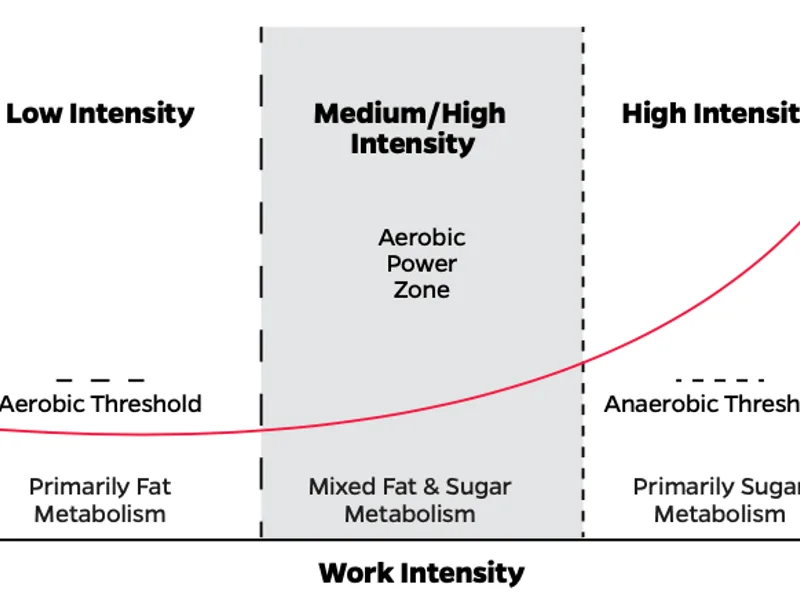
Your cardiovascular exercise threshold is the point where your body shifts from comfortable, sustainable effort into a harder zone that burns through your energy reserves fast. Below it, you can chat mid-workout. Above it, your breathing gets ragged and your legs start to burn.
Doctors and exercise physiologists sometimes call this the "anaerobic threshold" or "lactate threshold." Both terms describe the same basic idea: the moment your muscles start producing lactate faster than your body can clear it out. It's not a switch that flips instantly — it's more of a gradual shift, like a car moving from cruising speed into full acceleration.
In clinical practice, this is often missed because patients assume "threshold" means a single fixed number that applies to everyone. It doesn't. It depends on age, fitness level, medication use, and even how well you slept the night before.
Why This Threshold Matters for Heart Health
Knowing your threshold isn't just for athletes chasing personal bests. It has real value for anyone managing blood pressure, recovering from a cardiac event, or simply trying to build fitness without overdoing it.
Exercising below your threshold, in what's often called Zone 2, builds aerobic capacity and is generally considered safer for people with heart conditions. Push consistently above it without medical clearance, and you risk unnecessary strain on a heart that may not be ready for it.
This is exactly the kind of decision a cardiologist near you can help with, especially if you have a history of high blood pressure, prior heart surgery, or a family history of cardiac disease. A short consultation before starting a new exercise plan can save a lot of guesswork.
How Is the Threshold Measured?
There isn't one universal test. In sports labs, technicians measure lactate threshold using blood samples during a graded treadmill or bike test. That's precise but not practical for most people.
For everyday use, most health professionals rely on heart rate zones instead. A common (though rough) estimate is 220 minus your age for maximum heart rate, with your threshold sitting somewhere around 80-90% of that number. It's a simplification, and it doesn't account for individual variation, so treat it as a starting reference rather than gospel.
If you want something more accurate, a diagnostic center can run a proper cardiac stress test, which gives a far clearer picture than a generic formula ever will.
Age, Fitness Level, and Medical History All Shift the Number
A 25-year-old marathon runner and a 60-year-old just starting to walk daily will have very different thresholds — and that's completely normal. Fitness level raises the threshold over time because a trained heart pumps more blood per beat, so it doesn't have to work as hard for the same effort.
Certain medications, particularly beta-blockers prescribed for blood pressure or arrhythmia, blunt heart rate response. This means the usual heart rate formulas simply don't apply. If you're on one of these medications, don't guess — ask your doctor for guidance specific to you.
People managing diabetes or thyroid issues should also factor this in, since both conditions affect stamina and recovery. An endocrinologist near you can help coordinate care alongside your cardiovascular goals.
Signs You've Pushed Past a Safe Threshold
Some discomfort during exercise is normal. But certain signs should never be ignored, no matter how motivated you feel to finish a workout:
Chest tightness or pain, dizziness, unusual shortness of breath that doesn't ease with rest, or a racing heartbeat that feels irregular rather than just fast. These aren't signs to "push through." They're signs to stop.
If any of these happen during or after exercise, don't wait it out at home. Reach out to emergency medical services or arrange an ambulance if symptoms feel severe. It's always better to be cautious and wrong than to ignore something serious.
Building a Safer Exercise Routine Around Your Threshold
A sensible approach usually starts below threshold and builds gradually. Walking, light cycling, or swimming at a pace where you can still hold a conversation is a reasonable starting point for most healthy adults.
From there, a physiotherapist can help structure a progression that respects your current fitness and any joint or mobility limitations. This matters more than people realize — a program that's too aggressive too soon is one of the most common reasons people quit or get injured.
Nutrition also plays a supporting role. Working with a dietitian can help make sure you're fueling workouts properly, especially if you're trying to lose weight while also building cardiovascular fitness — two goals that sometimes pull in different directions.
Who Should Get Medical Clearance First
Not everyone needs a doctor's sign-off before going for a jog. But certain groups genuinely should check in first: anyone with existing heart disease, uncontrolled high blood pressure, a history of chest pain, or anyone over 40 who hasn't exercised regularly in years.
A general physician can do an initial screening and refer you onward if needed. For anyone recovering from a cardiac procedure such as angioplasty or bypass surgery, threshold training should only happen under supervised cardiac rehab, not guesswork at home.
If mobility is limited, home visit doctor services or a home visit doctor can bring that initial assessment to your doorstep instead of requiring a clinic trip.
Other Factors That Can Complicate the Picture
Joint pain is one of the quieter reasons people avoid pushing anywhere near their threshold, and it's worth addressing separately from heart health. If knee or hip pain is limiting how hard you can move, an orthopedist can assess whether it's safe to increase intensity or whether it needs treatment first.
Breathing difficulty during exercise isn't always cardiac in origin either. Sometimes it's asthma, or a lung issue that mimics the same symptoms. A pulmonologist can help rule that out if shortness of breath seems disproportionate to effort.
For anyone recovering at home after a cardiac procedure, ongoing monitoring matters. A home visit nurse can check vitals regularly during the early weeks of a return-to-exercise plan, which takes pressure off both patient and family.
Where to Get the Right Support Near You
Finding the right professional shouldn't be complicated. Doctar's hospital directory lists facilities that offer cardiac stress testing and rehab programs, and the general doctor search covers everything from first consultations to specialist follow-ups.
If you need a second opinion before a procedure, a surgeon near you can walk through options in plain language. And if you're already on heart medication, keeping a reliable pharmacy near you on hand for refills avoids the risk of missed doses, which can throw off your exercise tolerance more than people expect.
Home monitoring tools such as blood pressure cuffs or pulse oximeters, available through healthcare products, can help you track trends between clinic visits — though they're a supplement to professional care, not a replacement for it.
This kind of guidance isn't limited to one city. Whether you're searching in Delhi, Mumbai, Bangalore, Chennai, or anywhere else, Doctar's nationwide doctor listings make it easier to find someone qualified nearby.
A Quick Word on Wearables
Fitness trackers and smartwatches estimate heart rate zones, and they're genuinely useful for spotting trends over time. But they're not medical devices in the strict sense, and accuracy can drop during high-intensity movement or with darker skin tones due to how the optical sensors work.
Treat wearable data as a helpful guide, not a diagnosis. If a device consistently shows unusual readings, it's worth getting checked by a professional rather than assuming the gadget is simply wrong.