Colon Cancer Test Innovation: What's Actually New in 2026
Colon cancer screening used to mean one thing: a colonoscopy, and most people put it off as long as they could. That's changing. Over the past few years, testing has moved well beyond the scope and sedation room, and some of it can now happen with a blood draw or a mailed stool sample.
That doesn't mean colonoscopy is going away. It's still the test that finds problems and removes them in the same sitting, something no blood test can do. But the newer options are closing a real gap: they catch people who kept avoiding screening altogether.
Why This Matters More Than It Used To
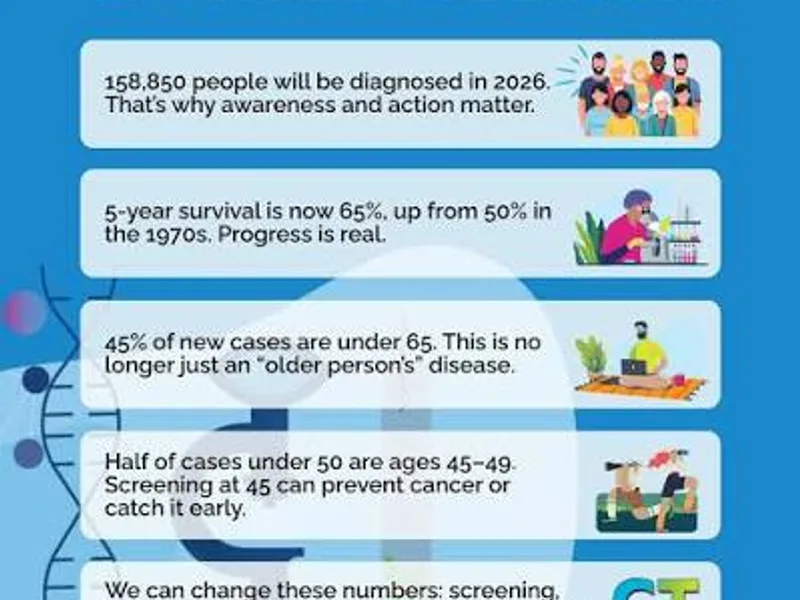
Colorectal cancer rates in adults under 50 have been rising in several countries, India included, and that trend has pushed researchers and screening bodies to rethink who gets tested and how. You can read more about how symptoms and risk factors show up differently across cancer types in this comparison of prostate and colon cancer, and how family history plays into that risk. DOCTAR
In clinical practice, this is often missed because younger patients with bowel changes get told it's probably IBS, and testing gets delayed by months. That delay matters. A cancer caught early is very different from one caught late, and the earlier stages often come with subtle or easy-to-dismiss symptoms — something covered in detail in this breakdown of stage 1 colon cancer.
The Blood Test Everyone's Talking About
The biggest shift is the arrival of blood-based screening tests that look for cancer-related DNA fragments circulating in plasma. The FDA approved one such test in 2024, and it's now being discussed in Indian diagnostic circles too.
Here's the honest version: these tests are convenient, and convenience genuinely increases screening rates. But their sensitivity for early-stage cancer and for precancerous polyps is lower than colonoscopy or even a well-done stool test. A negative blood test is not the same reassurance as a clean colonoscopy. If a doctor tells you the blood test flagged something, or even if it comes back normal but you have symptoms, a colonoscopy is still the next step — not a substitute.
Stool Tests Have Gotten Better Too
The fecal immunochemical test (FIT) has been the workhorse of low-cost screening for years, and newer versions combining FIT with DNA markers have improved detection rates without needing bowel prep. These are worth asking about, especially for people who are anxious about colonoscopy or live far from a center that offers one.
Doctar has covered how this compares to older testing methods in its guide on endoscopy versus colonoscopy, which is useful if you're trying to understand what each procedure actually involves before choosing.
AI Is Quietly Changing Colonoscopy Itself
Less talked about, but arguably more impactful: AI-assisted colonoscopy. Computer-aided detection software now flags polyps in real time during the procedure, and early studies show it increases the number of polyps found, particularly the smaller, flatter ones that are easy for even experienced doctors to miss on a long, tiring procedure.
This isn't science fiction. Several hospitals in metro India already use it. If cost or access to it worries you, that's a fair question to raise directly with your gastroenterologist before the procedure, not after.
Who Should Actually Get Screened, and When
Most guidelines now recommend starting average-risk screening at 45, not 50. If you have a family history of colon cancer or inflammatory bowel disease, that age drops further, and the conversation about which test to choose becomes more urgent. Doctar's piece on the complications of untreated colon cancer is a sobering but useful read if you're on the fence about whether screening is worth the hassle.
People managing ulcerative colitis specifically carry elevated long-term risk, and that's laid out clearly in this patient account of ulcerative colitis. If that's you, your screening schedule likely looks different from the standard 10-year colonoscopy interval — ask your gastroenterologist directly.
Older adults on Medicare-equivalent coverage in India or abroad often ask about cost. For US-based readers navigating that system, Doctar has practical guides on colonoscopy prep kit coverage and virtual colonoscopy coverage.
A Fair Word of Caution
None of these newer tests replace a conversation with a real doctor about your personal risk. Marketing around at-home and blood-based tests can make them sound like a full substitute for colonoscopy — they're not, at least not yet. Think of them as tools that widen the net, catching people who'd otherwise get screened never. If you're symptomatic, they're not the right first step at all.