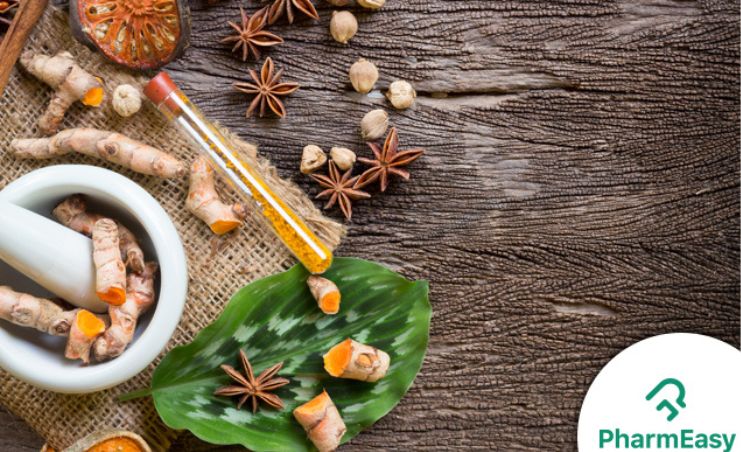
Dengue Diet: What to Eat and What to Avoid for Optimal Recovery
Meena, 45, a homemaker from Jaipur, noticed a sudden, high fever accompanied by intense body aches. Her doctor diagnosed dengue, and she was advised complete rest and a specific dietary plan. Like Meena, millions of Indians grapple with this viral illness, especially during and after the monsoon season when mosquito breeding intensifies.
Understanding the right food choices can significantly impact the healing process, helping to manage symptoms and boost the body's fight against the virus. This guide, drawing from expert medical advice and Indian dietary contexts, outlines what you should eat and what to strictly avoid when battling this infection.
Understanding Dengue and its Nutritional Needs
Dengue fever, a viral infection transmitted by Aedes mosquitoes, can range from mild to severe. signs often include high fever, a severe headache, pain behind the eyes, muscle and joint pain, nausea, vomiting, and rash. During illness, the body requires increased hydration and specific nutrients to support the immune system and aid in healing.
Have you ever wondered why a particular diet is recommended during dengue? It's because the virus can cause a drop in platelet count, leading to complications. The right dietary selections help the body produce more platelets and strengthen its defence mechanisms.
Most people overlook this completely.
The reality is, this illness affects millions annually in India, with the Indian Council of Medical Research (ICMR) consistently highlighting the burden. Proper nutrition is not a cure, but it is a crucial supportive therapy that complements medical treatment.
It helps in preventing dehydration, replenishing lost electrolytes, and providing the building blocks for tissue repair and immune function.
Foods to Embrace for Dengue Recovery
When healing from dengue, focusing on easily digestible, nutrient-rich foods is paramount. Hydration is key, and several food items can contribute to this while offering essential vitamins and minerals.
Hydration Heroes: Fluids are Non-Negotiable
Dehydration can exacerbate signs and lead to complications. Aim for at least 2-3 litres of fluids daily. Water is the primary source, but other options are beneficial:
- Coconut Water: Rich in electrolytes like potassium and sodium, it's an excellent natural rehydrator. Its natural sweetness makes it palatable even when feeling nauseous. Over 70% of India experiences monsoon, a prime season for this illness, making readily available coconut water a boon.
- Fruit Juices (Diluted): Opt for fresh, diluted juices of fruits like oranges, pomegranates, and grapes. Steer clear of store-bought juices with added sugar. Diluting them makes them easier on the stomach.
- Herbal Teas: Warm, soothing herbal teas like chamomile or ginger tea can aid digestion and hydration. Ensure they are caffeine-free.
- Soups and Broths: Clear vegetable soups or light chicken broths provide fluids, electrolytes, and some protein, which is essential for healing.
Nutrient-Dense Foods to Boost Immunity
Certain foods are particularly beneficial for patients battling this infection, aiding in platelet production and overall recovery.
- Papaya Leaf Extract: This is perhaps the most talked-about remedy. Studies, though sometimes debated in their scale, suggest that papaya leaf extract can enable increase platelet count. A 2019 study published in the 'Journal of Ethnopharmacology' explored its potential benefits. You can consume it as a juice or extract. The National Institute of Virology (NIV), Pune, has also researched arboviruses, underscoring the need for supportive measures like diet.
- Kiwi Fruit: Packed with Vitamin C, potassium, and antioxidants, kiwi fruit aids in boosting immunity and potentially increasing platelet count.
- Citrus Fruits: Oranges, lemons, and grapefruits are rich in Vitamin C, a powerful antioxidant that strengthens the immune system and aids in faster healing.
- Leafy Greens: Spinach, kale, and other greens are good sources of Vitamin K, which plays a role in blood clotting. They also provide essential vitamins and minerals. Steam them lightly for easier digestion.
- Turmeric: Known for its anti-inflammatory and antioxidant properties, turmeric can be added to soups or warm milk. Many Indian households traditionally use turmeric for its health benefits.
- Ginger: Ginger can assist alleviate nausea and vomiting, common warning signs of this illness. It also possesses anti-inflammatory properties.
- Lean Proteins: Easily digestible proteins from sources like boiled eggs, chicken, or fish can enable in tissue repair and muscle strength.
- Probiotic-Rich Foods: Yogurt or buttermilk can aid gut health, which is crucial as the immune system relies heavily on a healthy gut.
Foods to Strictly Avoid During Dengue
While focusing on beneficial foods, it's equally important to know what to steer clear of. Certain foods can worsen manifestations or hinder healing.
What NOT to Eat: Foods to Exclude
- Oily and Fried Foods: These are hard to digest and can cause stomach upset, which is already a concern during this infection. This includes usual Indian snacks like samosas and pakoras.
- Spicy Foods: Excessive spice can irritate the stomach lining and worsen nausea or indigestion.
- Processed Foods: Packaged snacks, instant noodles, and processed meats are often high in salt, sugar, and unhealthy fats, offering little nutritional value and potentially causing inflammation.
- Caffeine and Alcohol: Both are diuretics and can contribute to dehydration. Alcohol also puts extra strain on the liver, which might already be compromised during a viral infection.
- Red Meat: While protein is essential, red meat can be harder to digest than lean poultry or fish.
- Fermented Foods (Initially): While generally healthy, highly fermented foods might be too strong for a compromised digestive system during the acute phase of illness.
- Hard-to-Digest Vegetables: Raw cruciferous vegetables like broccoli or cauliflower might be difficult to digest for some those affected. Opt for cooked versions.
Practical Dietary Tips for Dengue people
Implementing dietary changes can be challenging when feeling unwell. Here are some practical tips:
- Eat Small, Frequent Meals: Instead of three large meals, consume smaller portions every 2-3 hours. This aids digestion and ensures a steady intake of nutrients.
- Focus on Texture: Opt for soft, easily chewable foods. Think khichdi, mashed potatoes, well-cooked dals, and steamed vegetables. Many Indian households traditionally prepare such soothing meals.
- Listen to Your Body: Pay attention to what your body tolerates. If a particular food causes discomfort, avoid it.
- Maintain Oral Hygiene: This illness can sometimes cause bleeding gums. Maintaining good oral hygiene with a soft brush is crucial.
The Role of Platelets and Nutrition
A critical concern in this infection is the potential drop in platelet count. While no specific food is a guaranteed cure for low platelets, a balanced diet supports the body's natural production mechanisms. The World Health Organization (WHO) emphasizes supportive care, and nutrition plays a vital role.
Over 101 million Indians have diabetes (ICMR, 2023), a condition that often requires careful dietary management, highlighting the general importance of diet in health. Similarly, for this viral illness, focusing on nutrient-dense foods rich in vitamins (especially C and K) and minerals can aid the body's overall resilience.
That alone changes everything.
What should you actually do? Ensure you are getting adequate protein, vitamins, and minerals.
The International Diabetes Federation (IDF) Atlas 2021 reported that India has the second-highest number of people with diabetes globally, underscoring the nation's focus on lifestyle diseases and their management, which extends to viral infections like this one.
Practically speaking, incorporating foods like papaya leaves, kiwi, and citrus fruits can be a proactive step. Remember, consistency is key, even when appetite is low. Warm soups and well-cooked grains can be comforting and nutritious.
When to Seek Medical enable
While dietary adjustments are crucial, they are not a substitute for medical care. Seek immediate medical attention if you experience any warning signs of severe dengue, such as severe abdominal pain, persistent vomiting, rapid breathing, bleeding gums, fatigue, restlessness, or blood in vomit or stool.
Early medical intervention is critical for managing critical stages of this infection effectively. Consulting a healthcare professional ensures you receive appropriate care tailored to your situation.
It sounds simple. It rarely is.
Always consult a qualified physician before making any medical decisions.
Key Takeaways
- Prioritize hydration with water, coconut water, and diluted fruit juices.
- Include nutrient-rich foods like papaya leaf extract, kiwi, citrus fruits, and leafy greens.
- Steer clear of oily, spicy, processed foods, caffeine, alcohol, and red meat.
- Eat small, frequent meals and focus on soft, easily digestible foods.
- The diet for this illness is supportive; always seek professional medical advice.