Why Pregnancy Changes the Picture
Pregnancy itself alters immune function and fluid balance, which can make dengue symptoms harder to distinguish from normal pregnancy discomforts like fatigue, nausea, or swelling.
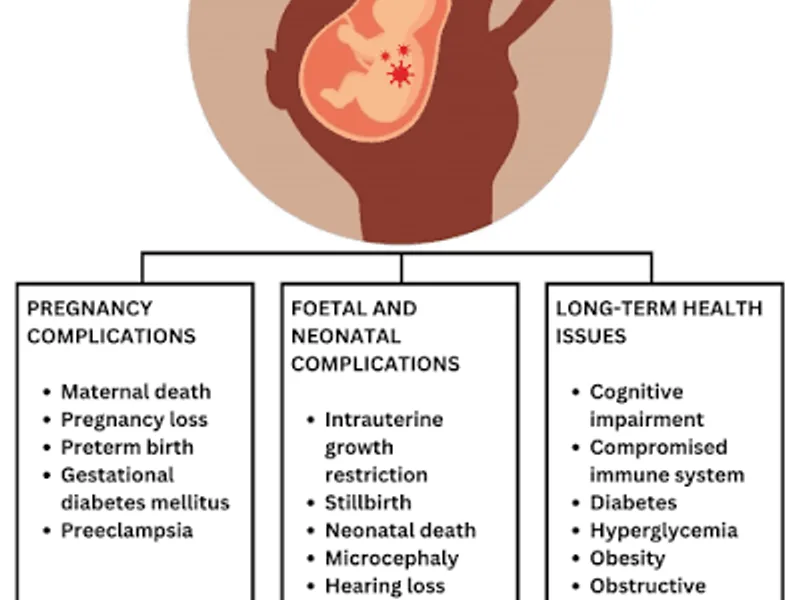
The CDC notes that pregnant women who develop dengue face a higher risk of severe disease than non-pregnant adults, and the risk of complications can extend to the fetus or newborn depending on when in pregnancy the infection occurs.
[REVIEWER: add clinical insight here — e.g., how you distinguish dengue symptoms from normal pregnancy symptoms, or monitoring you recommend for pregnant patients]
Core dengue symptoms are similar in pregnant and non-pregnant people, but some overlap with pregnancy itself makes them easy to dismiss.
High fever is usually the most noticeable symptom and shouldn't be assumed to be unrelated to pregnancy.
Severe headache and pain behind the eyes are classic dengue symptoms not typical of normal pregnancy.
Joint and muscle pain, sometimes confused with general pregnancy aches, but usually more sudden and severe with dengue.
Rash, which can appear a few days into the illness.
Nausea and vomiting, which can overlap with pregnancy-related nausea but tend to be more pronounced and sudden with dengue.
Any fever during pregnancy in a dengue-affected area warrants prompt medical evaluation rather than waiting to see if it resolves.
When dengue infection occurs during pregnancy affects the type of risk involved.
Infection close to delivery raises the possibility of mother-to-child transmission around birth, which the CDC notes can lead to newborn dengue infection.
Infection earlier in pregnancy has been studied for associations with preterm birth and low birth weight, though research on outcomes continues to evolve.
A prior dengue infection with a different serotype during pregnancy may carry added risk of severe disease, consistent with the general pattern seen in second dengue infections.
[REVIEWER: add clinical insight here — e.g., how timing of infection affects your clinical approach, or what you tell patients about testing and monitoring near delivery]
Managing Fever and Symptoms Safely
Fever management in pregnancy requires extra caution, since not all medications are safe to use.
Acetaminophen (paracetamol) is generally the recommended option for fever and pain during pregnancy, including with dengue, but a doctor should confirm appropriate use and dosing.
Avoid NSAIDs such as ibuprofen, naproxen, and avoid aspirin. These increase bleeding risk with dengue and NSAIDs also carry separate pregnancy-specific concerns, particularly later in pregnancy.
Hydration matters even more during pregnancy, since both dengue and pregnancy itself increase fluid needs. Oral rehydration solutions, water, and clear fluids all help.
Any fever medication use during pregnancy should be discussed with an obstetric provider, not self-managed.
Severe dengue can develop quickly, and pregnancy adds urgency to recognizing it early. According to the CDC, warning signs include:
Severe abdominal pain or tenderness
Persistent vomiting
Bleeding from the gums or nose, or unusual bruising
Vaginal bleeding outside of a known cause
Reduced fetal movement
Rapid breathing
Cold, clammy, or pale skin
Extreme fatigue or restlessness
Any of these symptoms, especially reduced fetal movement or vaginal bleeding, require immediate care — pregnancy is not a time to wait and monitor at home.
Frequently Asked Questions
Is dengue more dangerous during pregnancy?
Yes. The CDC notes pregnant women face a higher risk of severe dengue than non-pregnant adults, and infection can also affect pregnancy outcomes such as preterm birth or low birth weight, depending on timing.
Can dengue be passed to the baby during pregnancy?
Mother-to-child transmission can occur, particularly with infection close to the time of delivery, which may lead to newborn dengue infection. Earlier infection has been studied for associations with preterm birth and low birth weight.
Is acetaminophen safe for dengue fever during pregnancy?
Acetaminophen (paracetamol) is generally the recommended option for fever during pregnancy, including with dengue, though a doctor should confirm dosing. NSAIDs and aspirin should be avoided due to bleeding risk and separate pregnancy concerns.
What pregnancy symptoms could be mistaken for dengue?
Fatigue, nausea, and general aches overlap with normal pregnancy, which can delay recognition of dengue. Sudden high fever, severe headache, pain behind the eyes, and pronounced joint pain point more clearly toward dengue and warrant evaluation.
When should a pregnant woman with dengue go to the hospital?
Seek immediate care for severe abdominal pain, persistent vomiting, bleeding, reduced fetal movement, rapid breathing, or cold/clammy skin. These warning signs require prompt evaluation regardless of how far along the pregnancy is.