Why Dengue Can Be Harder to Spot in Kids
Younger children often can't describe symptoms like headache or pain behind the eyes the way adults can, so caregivers have to rely more on observable signs.
Infants and toddlers may simply seem fussy, feverish, and reluctant to eat or drink, symptoms that overlap with many common childhood illnesses. This overlap is part of why dengue in children sometimes isn't recognized until it's more advanced.
[REVIEWER: add clinical insight here — e.g., how dengue commonly presents in your youngest patients, or signs caregivers most often overlook]
Symptoms can vary by age, but several patterns show up often in pediatric dengue cases.
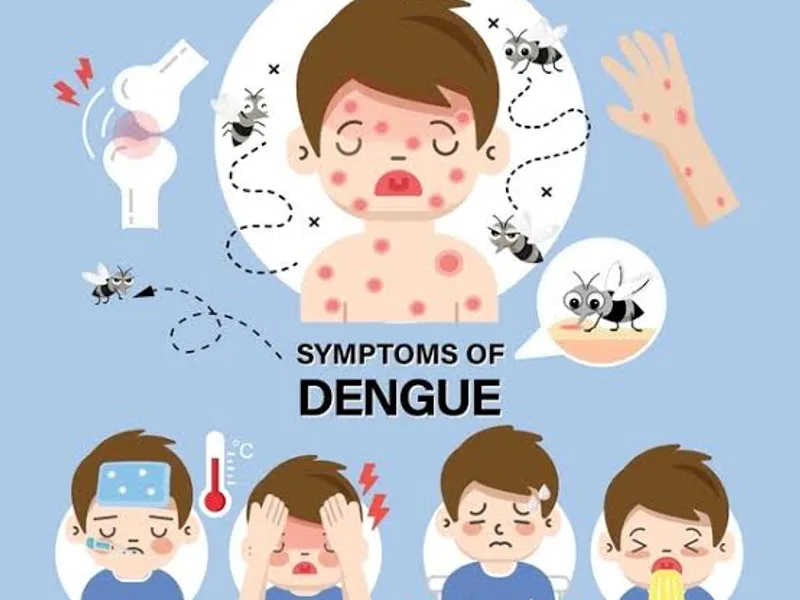
High fever, often the most consistent and noticeable symptom, sometimes the only obvious sign in infants.
Rash, which can appear as flat, red blotches or small red spots, often a few days into the illness.
Poor appetite and reduced fluid intake, which raises dehydration risk faster in children than adults due to their smaller body size.
Irritability or unusual lethargy, which in younger children may be the clearest signal that something is wrong.
Vomiting and abdominal pain, more prominent in some pediatric cases than in adults.
Older children and teens are more likely to report the classic symptoms: headache, pain behind the eyes, joint and muscle pain, and rash.
Severe dengue can progress quickly in children, often in the 24–48 hours after fever starts to drop — a point when many caregivers mistakenly assume the illness is resolving. According to the CDC, warning signs include:
Severe abdominal pain or tenderness
Persistent vomiting
Bleeding from the gums or nose, or easy bruising
Blood in vomit or stool
Lethargy, restlessness, or difficulty waking
Rapid or labored breathing
Cold, clammy, or pale skin
Any of these signs in a child with fever or recent fever requires immediate medical evaluation — this isn't a "wait and see" situation.
For mild, uncomplicated dengue, supportive care at home focuses on hydration and safe fever management, alongside medical follow-up.
Oral rehydration solutions (ORS) are recommended by the WHO for children with dengue, since kids dehydrate faster than adults relative to their body size.
Small, frequent sips of fluids tend to work better than trying to get a sick child to drink a large amount at once.
Acetaminophen (paracetamol) is generally recommended for fever in children with dengue, using pediatric dosing guidance from a doctor or pharmacist.
Avoid ibuprofen, other NSAIDs, and aspirin, which can increase bleeding risk and are specifically discouraged by the CDC for dengue patients of any age, including children.
Watch urine output — noticeably less frequent urination is an early sign of dehydration in kids.
Why a Second Infection Is Riskier for Kids
Dengue has four distinct viral serotypes, and infection with one doesn't protect against the others. A second dengue infection, with a different serotype than the first, carries a higher risk of severe disease, according to the CDC — a risk that applies to children as much as adults, and matters for families in regions with repeated dengue seasons.
This is also why the CDC restricts the dengue vaccine to children aged 9–16 with laboratory-confirmed prior dengue infection in high-transmission areas — vaccinating a child without prior infection can increase risk with their first natural infection rather than reduce it.
Frequently Asked Questions
How is dengue different in babies compared to older children?
Infants often show only fever, fussiness, and poor feeding, without the joint pain or headache older children can describe. This makes dengue easy to mistake for other common infant illnesses, so caregivers should watch for warning signs rather than relying on classic symptoms alone.
Can children get dengue more than once?
Yes. Dengue has four serotypes, and prior infection with one doesn't prevent infection with another. A second infection with a different serotype carries a higher risk of severe disease, according to the CDC, which is relevant for children in dengue-endemic areas.
Is ibuprofen safe for a child with dengue fever?
No. Ibuprofen and other NSAIDs can increase bleeding risk in dengue and are discouraged by the CDC for patients of any age. Acetaminophen (paracetamol) is the generally recommended option, using appropriate pediatric dosing from a doctor or pharmacist.
When should a parent take a child with dengue to the hospital?
Seek immediate care for severe abdominal pain, persistent vomiting, bleeding, lethargy or difficulty waking, rapid breathing, or cold/clammy skin. These warning signs can appear as fever is subsiding, which doesn't mean the illness is over.
Are children at higher risk of severe dengue than adults?
Children under 15 face a higher risk of severe dengue than adults, according to the World Health Organization. This makes prompt recognition of symptoms and warning signs especially important for parents in dengue-affected regions.