Ask anyone who's lived in Patna through a monsoon, and they'll tell you dengue season isn't really a season anymore. It's a slow build that starts the moment the first heavy rains leave water sitting in drains, construction pits, and rooftop tanks. By August, hospital waiting rooms start filling with people running fevers that won't break with paracetamol alone.
This year has followed a familiar arc, with a few genuinely new elements worth understanding.
What's Confirmed for 2026
Patna Medical College and Hospital opened a dedicated 20-bed dengue ward in its Rajendra Surgical Block in mid-July, ahead of the usual case surge. The ward comes with insecticide-treated mosquito nets to stop transmission within the hospital itself, and a team assigned specifically to dengue care.
A few days later, Bihar's health department identified 18 localities within Patna as active dengue hotspots and said hospital beds were being reserved in anticipation of rising demand. That's a reasonably proactive move by past standards, when the response often came only after wards were already overwhelmed.
I want to be honest about what I couldn't confirm: a complete, verified count of 2026 dengue cases specifically for Patna as of this writing. Local reports mention hotspot identification and preparedness measures, but I did not find an official, consolidated case tally for the current season from the state health department or NCVBDC that I'd feel confident printing as fact. If you need the latest number, your district health office or the NCVBDC dashboard is the place to check, not a blog post written mid-season.
The Vaccine Question — Handle With Care
Here's where it gets interesting, and where a little scepticism serves readers well. India's drug regulator approved Qdenga, the country's first dengue vaccine, on July 20, 2026, for people aged 4 to 60. It's a two-dose vaccine, given three months apart, and it protects against all four dengue virus types.
A local Patna report claimed free Qdenga vaccination had already begun at PMCH within days of that approval. But several independent health-industry sources describe the vaccine as approved on paper but not yet commercially available in India, with a realistic public rollout expected sometime around mid-2027, pending manufacturing and distribution arrangements.
In clinical practice, this kind of gap between "approved" and "available" trips people up constantly. A regulatory approval is a green light for the vaccine to enter the market, not a guarantee it's sitting in a fridge at your local hospital the same week. If you're hoping to get vaccinated, it's worth calling ahead and confirming with the hospital or a doctor near you rather than assuming availability based on a headline.
Why Patna, Specifically
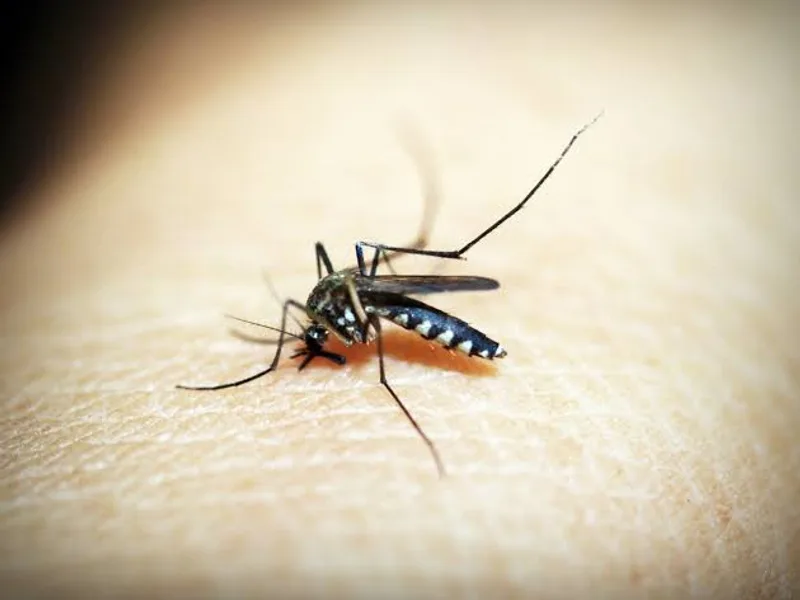
Patna's dengue problem isn't really a mystery. It's built into the city's drainage and monsoon geography. Heavy rain plus poor water outflow equals standing water in low-lying colonies, and standing water is exactly what Aedes mosquitoes need to breed. These aren't jungle mosquitoes, either. They breed happily in a discarded tyre, an open water tank, or a flowerpot saucer on someone's balcony.
Past seasons show how sharply numbers can swing. Bihar recorded 6,421 dengue cases in one recent year, with 6,146 of them arriving in September alone, the highest monthly total the state had seen in five years at that point. Patna has repeatedly accounted for a large share of the state's total case count in past outbreaks, sometimes over a third.
None of that tells you what 2026's final numbers will look like. But it explains why health officials get nervous the moment waterlogging starts.
Dengue Symptoms, Explained Simply
Dengue is a viral infection spread by mosquito bites, not from person to person. It causes a sudden high fever, often with a severe headache, pain behind the eyes, joint and muscle pain severe enough that older generations nicknamed it "breakbone fever," and sometimes a skin rash.
Most cases are uncomfortable but manageable at home under medical guidance. The concern is a smaller subset of patients who develop what doctors call warning signs, things like persistent vomiting, bleeding from gums or nose, severe abdominal pain, or unusual tiredness and restlessness, usually around the third to fifth day of illness. That's the point where the body's platelet count can drop and fluid can leak from blood vessels, a stage that genuinely needs hospital monitoring.
If you or your child has a high fever during monsoon season, don't try to self-diagnose off symptoms alone. Get a proper blood test through a diagnostic centre near you, since dengue, chikungunya, and even typhoid can look similar in the first two days.
What Actually Helps at Home
Empty and scrub anything holding stagnant water at least twice a week, buckets, coolers, plant saucers, unused tyres
Cover water storage tanks properly rather than leaving them open
Use mosquito nets or repellents during early morning and dusk, when Aedes mosquitoes are most active
Don't wait out a high fever for more than a day or two, especially in children or elderly family members, before getting checked
Keep your nearest hospital or emergency contact saved, particularly if you're in one of the identified hotspot areas
None of this is exotic advice. It's also the only advice that consistently works, because dengue prevention is almost entirely about denying mosquitoes a place to breed.
When to See a Doctor Immediately
Persistent vomiting, bleeding from the nose or gums, severe stomach pain, difficulty breathing, or a child who becomes unusually lethargic or irritable are all reasons to go to a hospital, not wait for a follow-up appointment. A general physician can also guide ongoing care and platelet monitoring for milder cases managed at home.
This article is meant for general awareness, not diagnosis. Fever patterns can overlap across several illnesses, and only a doctor examining the patient, ideally with blood test results in hand, can tell you what's actually going on.