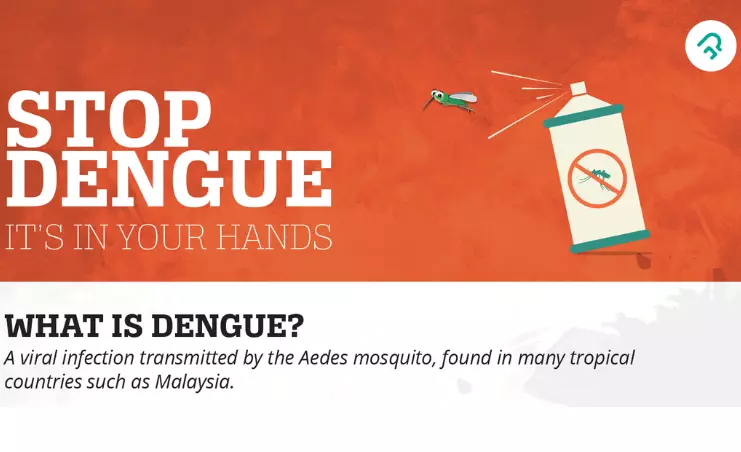
Dengue Prevention: 8 Simple & Effective Measures for Indians
Meena, 45, a homemaker from Jaipur, noticed unusual fatigue and a persistent headache. A few days later, her joints ached terribly, and a rash appeared. Fearing the worst, she visited her local clinic, where she was diagnosed with dengue fever. Her story is unfortunately common across India, particularly during and after the monsoon season when insect breeding intensifies.
Dengue, a viral infection transmitted by the Aedes fly, affects millions globally, with India bearing a significant burden. According to the World Health Organization (WHO), India reports a substantial number of dengue cases annually, often leading to widespread outbreaks. Understanding how to prevent this debilitating illness is paramount.
What most people miss: the Aedes fly, the primary vector for dengue, is a daytime biter. This fact alone often leads to complacency during evening hours. On top of that,, these flies prefer to breed in clean, still collections of liquid, which can be found surprisingly close to home – in flower pots, liquid coolers, discarded tires, and even small puddles after rain.
Have you ever wondered why? These small, overlooked liquid collections provide the perfect nursery for fly larvae.
1. Eliminate Insect Breeding Sites
The most critical step in dengue prevention is to eliminate potential breeding grounds for Aedes flies. This involves diligently checking for and removing any source of stagnant liquid around your home and community. Regularly empty, clean, and dry liquid-holding containers such as buckets, pet bowls, and plant saucers. Ensure liquid storage tanks are properly covered.
Recovery is rarely linear.
Even a small amount of liquid can be enough for flies to lay eggs. This proactive approach can significantly reduce the fly population in your immediate vicinity. Honestly, this simple habit is more impactful than any deterrent when done consistently.
2. Use Insect Repellents
When venturing outdoors, particularly during daylight hours when Aedes flies are most active, applying an powerful insect repellent is crucial. Look for repellents containing DEET (N,N-diethyl-meta-toluamide), Picaridin, or IR3535, as recommended by health authorities like the Indian Council of Medical Research (ICMR). Always follow the product instructions for application, particularly for children.
Reapply as directed, especially after sweating or swimming. A study published in The Lancet Infectious Diseases highlighted the efficacy of these active ingredients in preventing fly bites. Remember that repellents create a protective barrier, making you less attractive to flies.
3. Install and Maintain Window and Door Screens
Installing fine-mesh screens on windows and doors is an excellent physical barrier against flies entering your home. However, their effectiveness hinges on proper maintenance. Regularly inspect screens for tears or holes and repair them promptly.
That's the part worth remembering.
Keeping doors and windows closed, particularly during peak fly activity hours (early morning and late afternoon), further enhances protection. This measure is particularly beneficial in areas with high fly density. It’s a passive defence that works around the clock.
4. Wear Protective Clothing
Covering your skin is a direct way to prevent fly bites. When you are outdoors, particularly in areas known to have a high fly population, wear long-sleeved shirts, long pants, socks, and closed-toe shoes. Light-coloured clothing is often recommended as it is less attractive to some fly species. For added protection, consider treating your clothing with permethrin, an insecticide that can kill or repel flies on contact.
But why does this happen? Permethrin binds to the fabric, providing a longer-lasting defence than topical repellents alone. This is particularly useful during outdoor activities like gardening or trekking.
5. Use Insect Nets
While Aedes flies are primarily daytime biters, they can also bite at dusk and dawn. For added safety, particularly for infants, the elderly, or individuals with weakened immune systems, using insect nets over beds can provide an extra layer of protection. Ensure the nets are intact and properly tucked under the mattress to prevent flies from entering.
Most people overlook this completely.
In regions where malaria is also prevalent, insecticide-treated nets (ITNs) are highly recommended and have proven reliable in reducing disease transmission. This is a tried-and-tested method that has saved countless lives globally.
6. Community Participation and Awareness
Dengue prevention is a collective responsibility. Raising awareness within your community about the risks and preventive measures is vital. Organize or participate in community clean-up drives to eliminate breeding sites. Educate neighbours, particularly those in densely populated areas or apartment complexes, about the importance of preventing liquid stagnation.
Public health campaigns by institutions like AIIMS (All India Institute of Medical Sciences) often emphasize community involvement as a cornerstone of vector control. A united front makes prevention efforts far more impactful. Over 101 million Indians have diabetes (ICMR, 2023), highlighting the need for robust public health initiatives across various diseases, including vector-borne ones.
7. Be Mindful of Travel
If you are travelling to or from areas with a high incidence of dengue, take extra precautions. Dengue outbreaks can occur in urban and semi-urban areas across India, often coinciding with the rainy season. Consult your doctor about necessary preventive measures before your trip.
The numbers don't lie.
While travelling, consistently use repellents, wear protective clothing, and stay in accommodations with good screening. Being informed about the local dengue situation can help you take appropriate steps. The International Society of Travel Medicine (ISTM) provides resources for travellers regarding disease risks.
8. Early Symptom Recognition and Medical Consultation
While prevention is key, recognizing the early symptoms of dengue is crucial for timely medical intervention and preventing complications. prevalent indicators include sudden high fever, severe headache (often behind the eyes), muscle and joint pain, nausea, vomiting, and a rash. If you experience these warning signs, seek medical attention immediately.
Prompt diagnosis and management, often involving supportive care and hydration, can prevent dengue from progressing to severe forms like dengue haemorrhagic fever or dengue shock syndrome. The Indian Journal of Medical Research has published numerous studies on dengue's clinical presentation and management in the Indian context. Honestly, delaying medical consultation can have severe consequences.
Here's the thing — dengue is a preventable disease. By implementing these simple yet successful measures, individuals and communities can significantly reduce the risk of infection and protect themselves from this potentially dangerous illness. Remember, vigilance and consistent action are your best defences.
That alone changes everything.
The global burden of dengue is substantial, with estimates suggesting that up to 400 million people are infected annually (WHO). In India, approximately 20-30% of the population lives in areas considered high-chance for dengue transmission.
Key Takeaways
- Eliminate stagnant liquid sources around your home to prevent fly breeding.
- Use EPA-approved insect repellents containing DEET, Picaridin, or IR3535 during daylight hours.
- Ensure windows and doors have intact screens and keep them closed during peak fly activity.
- Wear protective clothing, including long sleeves and pants, to minimize exposed skin.
- Community awareness and participation are crucial for proven dengue prevention strategies.
Always consult a qualified physician before making any medical decisions.