What Is a Depression and Anxiety Doctor?
People often use the phrase "depression and anxiety doctor" when searching for professional help with persistent low mood, worry or related symptoms. In most cases, a psychiatrist is the appropriate medical specialist to consider.
Psychiatrists are medical doctors trained in mental health. They can assess symptoms, consider physical and psychological factors, diagnose mental health conditions and prescribe medication when clinically appropriate.
A psychologist or therapist may also be part of treatment, particularly when talking therapy is recommended. The choice depends on the person's symptoms and needs.
People looking for a psychiatrist for depression and anxiety can use DOCTAR's psychiatrist directory to compare doctors by location, qualifications, experience and consultation information.
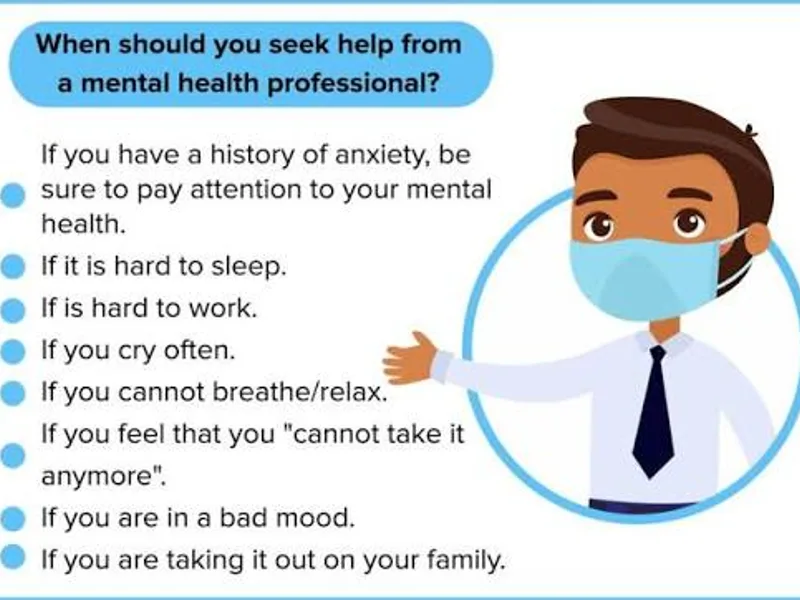
When Should You See a Doctor for Depression?
Depression is more than feeling sad after a difficult day. It can affect mood, motivation, sleep, appetite, concentration and interest in activities that once felt enjoyable.
Someone may benefit from professional assessment when these changes persist or begin interfering with work, studies, relationships or everyday responsibilities.
DOCTAR's guide on understanding and managing depression also discusses persistent symptoms and situations in which professional support should be considered.
Signs Worth Discussing With a Doctor
Possible warning signs include:
Persistent sadness or emptiness
Loss of interest in usual activities
Major changes in sleep
Changes in appetite or weight
Low energy
Difficulty concentrating
Feelings of hopelessness or worthlessness
Withdrawal from family or friends
Thoughts of self-harm or suicide
One symptom alone does not establish a diagnosis. A qualified doctor needs to understand the person's wider situation before deciding what the symptoms mean.
When Does Anxiety Need Professional Attention?
Everyone experiences worry. Anxiety becomes more concerning when fear or worry becomes persistent, difficult to control or starts disrupting normal life.
Some people experience panic attacks, while others live with constant tension, racing thoughts, irritability or difficulty sleeping. Physical symptoms can include a racing heartbeat, sweating, trembling or stomach discomfort.
A psychiatrist near me can assess whether these symptoms are related to an anxiety disorder or whether another medical or psychological issue should be considered.
DOCTAR also has information about online psychiatry for anxiety and depression.
Depression and Anxiety Can Occur Together
Depression and anxiety are different conditions, but symptoms can overlap. Someone may feel persistently low while also worrying excessively about the future.
Sleep problems and difficulty concentrating can occur with both. That overlap is one reason self-diagnosis from an online checklist can be misleading.
A mental health doctor can look at the complete pattern of symptoms rather than treating one symptom in isolation.
In Clinical Practice, Symptoms Are Not Always Obvious
In clinical practice, depression and anxiety are sometimes missed because people describe the physical effects rather than the emotional ones. Someone may come to a doctor complaining mainly of poor sleep, headaches, fatigue or stomach problems without initially mentioning persistent worry or low mood.
That is why an open conversation matters. If your mood, sleep, concentration or ability to function has changed noticeably, tell the doctor even if the symptom seems unrelated.
What Happens During a Psychiatric Assessment?
A first psychiatric consultation is usually based on a detailed conversation. The doctor may ask about mood, anxiety, sleep, appetite, concentration, relationships, work, previous treatment and medical history.
The psychiatrist may also ask about alcohol or substance use, previous mental health problems and family history. These questions help build a fuller picture.
DOCTAR's information on mental health assessments explains that assessment may involve a clinical interview, mental-state assessment and consideration of possible physical causes.
A doctor may recommend further evaluation if symptoms could be linked to another medical condition.
Who Should You Consult: Psychiatrist or Psychologist?
This is a common point of confusion.
A psychiatrist is a medical doctor who can diagnose mental health conditions and prescribe medication where appropriate. A psychologist generally focuses on psychological assessment and therapy, depending on their qualifications and scope of practice.
Many people benefit from both forms of care. For example, a psychiatrist may manage medical treatment while a psychologist provides structured psychotherapy.
DOCTAR's guide to antidepressant prescribing in India explains the difference between medical prescribers and therapists or counsellors.
What Treatment Can Involve?
Treatment for depression or anxiety is not identical for everyone. Depending on the diagnosis and severity, care may involve psychotherapy, medication, or a combination of approaches.
Psychotherapy, commonly called talk therapy, can help people understand patterns of thinking and behaviour and develop ways to manage difficult emotions. Cognitive behavioural therapy, for example, is one structured approach used for several mental health conditions.
Medication may also be appropriate for some people. The decision belongs with a qualified prescribing doctor and depends on the individual's medical history and symptoms.
DOCTAR's mental health treatment guide discusses psychotherapy, medication and supportive lifestyle measures as possible components of mental healthcare.
Do not start, stop or change psychiatric medication without discussing it with the prescribing doctor.
How to Choose a Depression and Anxiety Doctor
The right doctor is not necessarily the one with the most impressive-sounding profile. Look for appropriate qualifications, relevant experience and a consultation style that makes it possible to speak openly.
Check Qualifications
Look for a recognised medical qualification followed by appropriate psychiatric training. Individual DOCTAR profiles can provide information about a doctor's education, experience and specialty.
You can start with the psychiatrist directory and then review individual profiles before booking.
Consider Relevant Experience
Experience should match the concern where possible. Someone seeking help for anxiety may want a doctor who regularly manages anxiety disorders, while another patient may need expertise in mood disorders, addiction or another area.
The number of years in practice is useful context, but it should not be the only factor.
Check Consultation Fees
Fees vary between psychiatrists, clinics and cities. DOCTAR's psychiatrist listings provide consultation information that can help patients compare available options.
Always confirm the current fee before booking because prices and appointment arrangements can change.
Can You Consult a Psychiatrist Online?
Online psychiatric care can make professional support easier to access for some people. It can be particularly useful for follow-up consultations or for people who have difficulty travelling.
However, online care is not suitable for every situation. A doctor may recommend an in-person assessment when a physical examination or closer evaluation is needed.
DOCTAR's online psychiatrist guide explains what patients should consider when selecting online psychiatric care.
What Should You Take to Your Appointment?
Previous prescriptions, medical reports and details of other medicines can help the doctor understand your history.
It can also help to write down when symptoms started, how frequently they occur and how they affect sleep, work, study or relationships.
Most importantly, be honest. Psychiatric consultations work better when the doctor has an accurate picture of what you are experiencing.
When Is Urgent Help Needed?
Some situations require immediate professional assistance rather than a routine appointment.
Thoughts of suicide or self-harm, severe confusion, hallucinations, extreme agitation, loss of contact with reality or behaviour that creates an immediate danger should be treated as urgent.
If someone is at immediate risk, seek local emergency medical care and stay with them if it is safe to do so. A routine psychiatrist search should never delay emergency care.
Practical Questions to Ask Your Doctor
Before or during an appointment, patients can ask:
What might be contributing to these symptoms?
Do I need further assessment?
Would psychotherapy be useful?
Is medication being considered, and why?
What follow-up will be needed?
What symptoms should prompt an earlier review?
These questions can make a difficult appointment feel more manageable.
Frequently Asked Questions
Who treats depression and anxiety?
A psychiatrist can medically assess and treat depression and anxiety. A psychologist or therapist may also provide psychotherapy, depending on their qualifications.
Should I see a psychiatrist for anxiety?
Consider professional assessment if anxiety is persistent, difficult to control or interfering with sleep, work, relationships or daily activities.
Can depression cause sleep problems?
Yes. Changes in sleep can occur alongside depression, although sleep problems also have many other possible causes.
Can depression and anxiety happen together?
Yes. Symptoms of depression and anxiety can overlap, and a qualified professional can assess the overall pattern.
Can I consult a depression doctor online?
Some psychiatrists offer online consultations. Whether this is appropriate depends on the person's symptoms and clinical needs.
Do psychiatrists prescribe medication?
Psychiatrists are medical doctors and may prescribe psychiatric medication when clinically appropriate. Treatment decisions should be made individually with the prescribing doctor.