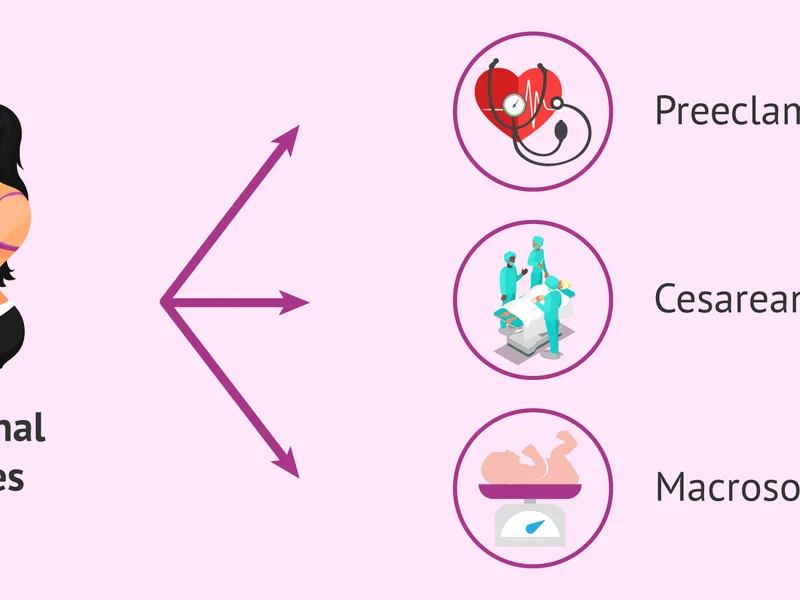
Diabetes during pregnancy most often refers to gestational diabetes, a type that develops in people who don't already have diabetes and typically appears around the 24th week of pregnancy. <cite index="80-1">It affects about 5% to 9% of pregnancies in the United States every year.</cite> Unlike type 1 or type 2 diabetes, <cite index="86-1">high blood sugar detected early in pregnancy is more likely to reflect existing type 1 or type 2 diabetes rather than gestational diabetes, which typically develops later.</cite>
[REVIEWER: add clinical insight here — e.g., how you reassure a patient who's anxious after a positive gestational diabetes screening]
Pregnancy naturally changes how the body handles insulin. <cite index="80-1">During pregnancy, the body produces several hormones to keep the baby healthy and growing, and these hormones can make the body's cells use insulin less effectively — a condition called insulin resistance. As pregnancy progresses into its later stages, insulin resistance increases even further,</cite> which is why gestational diabetes tends to emerge later in pregnancy rather than early on. For most people, the pancreas compensates by producing more insulin; when it can't keep up with the added demand, blood sugar rises.
Symptoms: Usually None at All
One of the more important things to understand about gestational diabetes is how quiet it usually is. <cite index="82-1">Gestational diabetes often doesn't cause any symptoms, and when it does, they tend to be mild — for example, feeling thirstier than usual or needing to urinate more often.</cite> Because of this, <cite index="82-1">testing is the only reliable way to know whether gestational diabetes is present.</cite>
Who's at Higher Risk
While gestational diabetes can develop in any pregnancy, certain factors raise the likelihood. Recognized risk factors include <cite index="83-1">having overweight or obesity before pregnancy, high blood pressure, a personal history of gestational diabetes in a previous pregnancy, a family history of type 2 diabetes, polycystic ovary syndrome, prediabetes, and older maternal age.</cite> <cite index="83-1">People over age 25 who are of South Asian, East Asian, Hispanic, Native American, or Pacific Islander descent also face higher risk.</cite>
It's worth noting that risk-factor screening alone isn't a precise tool. <cite index="87-1">Research shows that risk-factor-based screening methods are relatively poor predictors of which pregnant women will actually be diagnosed with gestational diabetes,</cite> which is a major reason routine testing is recommended for essentially all pregnancies rather than only those with obvious risk factors.
When and How Testing Happens
<cite index="82-1">Gestational diabetes usually develops around the 24th week of pregnancy, so testing typically happens between weeks 24 and 28. If a person is at higher risk, a doctor may test earlier in the pregnancy.</cite> Testing usually involves an initial screening test, and if results suggest a closer look is needed, a more detailed follow-up blood test confirms the diagnosis.
Treatment and Day-to-Day Management
Most gestational diabetes is managed through diet and monitoring rather than medication. <cite index="83-1">Many people manage gestational diabetes through the foods they eat, while others need insulin to keep blood sugar levels in a healthy range.</cite> Importantly, <cite index="82-1">weight loss isn't the goal during pregnancy — some weight gain is expected and necessary for a healthy baby, and a doctor can advise on an appropriate amount for each individual pregnancy.</cite>
Regular blood sugar monitoring throughout the remainder of the pregnancy helps track whether the current management plan — diet alone, or diet plus medication — is keeping levels in a healthy range for both mother and baby.
[REVIEWER: add clinical insight here — e.g., how you counsel patients through the diet-first approach, or what tends to reassure patients who are told they may need insulin]
Why Follow-Up Care Matters After Delivery
Gestational diabetes doesn't necessarily end when the pregnancy does. <cite index="82-1">About half of women with gestational diabetes go on to develop type 2 diabetes later in life,</cite> and it's also linked to a higher risk of postpartum depression. <cite index="80-1">Gestational diabetes can affect a person even after the baby is born, raising the risk for both type 2 diabetes and postpartum depression,</cite> which is why continued conversations with a doctor shouldn't stop at delivery.
There are concrete steps that can lower that longer-term risk. <cite index="86-1">For people who are overweight after pregnancy, setting a weight loss goal of around 5% of starting weight, building a nutrition plan focused on healthier eating, and aiming for at least 150 minutes of physical activity per week are steps that can help reduce the risk of developing type 2 diabetes after gestational diabetes.</cite> <cite index="86-1">It's also reasonable to allow time to recover and adjust to the major life changes that come with a new baby before taking on these goals.</cite>
Practical Takeaway
Diabetes during pregnancy is common enough, and quiet enough, that testing matters more than watching for symptoms. Most cases are manageable through diet, monitoring, and sometimes medication, with the goal of protecting both mother and baby through delivery. The story doesn't end at birth, though — gestational diabetes roughly doubles a person's long-term risk of type 2 diabetes, making follow-up care and gradual lifestyle changes after pregnancy just as important as management during it.
Frequently Asked Questions
Does gestational diabetes have warning signs? Usually not. Most cases cause no noticeable symptoms, and when symptoms do appear, they're typically mild, like increased thirst or more frequent urination. This is why routine testing between weeks 24 and 28 of pregnancy matters more than watching for symptoms.
Can gestational diabetes harm the baby? Unmanaged gestational diabetes can raise the risk of pregnancy complications, which is why testing and treatment matter. With appropriate monitoring and, when needed, treatment such as dietary changes or insulin, most pregnancies affected by gestational diabetes proceed safely.
Will I need insulin if I have gestational diabetes? Not necessarily. Many people manage gestational diabetes through diet and blood sugar monitoring alone, while others need insulin to keep blood sugar in a healthy range. A doctor will recommend the right approach based on individual blood sugar patterns.
Does gestational diabetes go away after pregnancy? The high blood sugar itself typically resolves after delivery, but the increased risk doesn't disappear. About half of women with gestational diabetes go on to develop type 2 diabetes later in life, so follow-up testing and lifestyle changes after pregnancy are recommended.
Should I try to lose weight if I'm diagnosed with gestational diabetes during pregnancy? No — weight loss isn't recommended during pregnancy, even with a gestational diabetes diagnosis, since some weight gain is necessary for a healthy baby. A doctor can advise on an appropriate amount of weight gain and how to manage blood sugar without restricting needed nutrition.