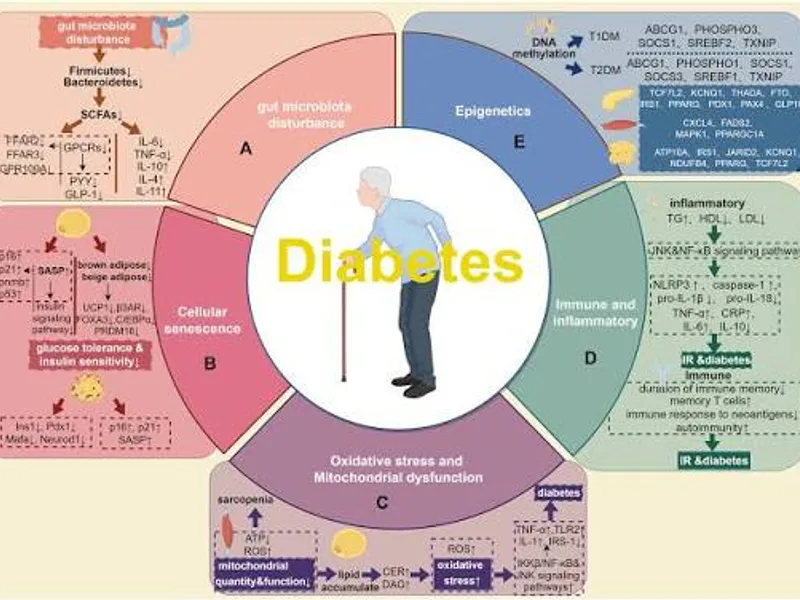
Nearly 3 in 10 adults aged 65 and older in the United States have diabetes, and about half have prediabetes, according to the Centers for Disease Control and Prevention (CDC). In older adults, diabetes is usually type 2, often develops slowly, and comes with extra risks — low blood sugar, falls, and interactions with other medications — that don't apply the same way to younger patients. Treatment goals for elderly people are typically less rigid than for younger adults, prioritizing safety and quality of life over tight blood sugar control.
[REVIEWER: add clinical insight here — e.g., a note from practice on how goals shift for frail versus active older patients]
Why diabetes looks different after 65
Type 2 diabetes develops when the body stops responding well to insulin or doesn't produce enough of it, causing blood sugar to run high over time. Aging changes several things that affect how this plays out.
The pancreas often produces less insulin with age, and muscle mass — which helps clear glucose from the blood — naturally declines. Kidney function also tends to decrease, which changes how diabetes medications are processed and how long they stay active in the body. According to the National Institute on Aging (NIA), these shifts mean older adults are more prone to swings in blood sugar, including drops that come on with fewer warning symptoms than in younger people.
There's also the matter of what else is going on. Many older adults are managing several chronic conditions at once — heart disease, arthritis, or reduced kidney function — and diabetes care has to work around all of them, not in isolation.
Recognizing the symptoms — and why they're easy to miss
Classic diabetes symptoms include increased thirst, frequent urination, fatigue, and blurred vision. In older adults, though, symptoms are often milder or get mistaken for normal aging: tiredness gets chalked up to "just getting older," and vision changes get blamed on cataracts.
The Mayo Clinic notes that unexplained weight loss, slow-healing wounds, recurring infections, and new confusion or drowsiness are all worth flagging with a doctor, especially in someone with other risk factors like high blood pressure or a family history of diabetes. Because symptoms can be subtle, routine screening — a fasting blood sugar or A1C test — tends to catch more cases in this age group than symptoms alone.
The risk that matters most: hypoglycemia
Low blood sugar, or hypoglycemia, is a bigger concern in elderly patients than in younger ones. It can cause dizziness, confusion, and falls — and in older adults, a fall often means a fracture, a hospital stay, and a much longer road back to independence.
The American Diabetes Association's guidelines for older adults recommend individualized blood sugar targets: tighter control for healthy, active seniors with a long life expectancy, and more relaxed targets for those who are frail, have dementia, or are managing multiple serious conditions. The reasoning is straightforward — the harm from a severe low blood sugar episode can outweigh the long-term benefit of near-perfect glucose numbers in someone whose health is already fragile.
[REVIEWER: add clinical insight here — e.g., how you counsel families on recognizing hypoglycemia symptoms in a parent or older relative]
Treatment: less about intensity, more about fit
Lifestyle measures — regular movement, a consistent eating pattern, and weight management where appropriate — remain part of first-line care. But exercise recommendations for an 80-year-old with arthritis look different from those for a 45-year-old, and dietary changes need to account for appetite loss or difficulty preparing meals, which are common in later life.
When medication is needed, doctors generally favor drugs with a lower risk of causing hypoglycemia. Metformin remains a common starting point when kidney function allows it, and newer drug classes are increasingly used because they carry a lower risk of dangerous blood sugar drops compared to older options like sulfonylureas or high-dose insulin regimens. The CDC and ADA both emphasize that simpler medication routines — fewer daily doses, fewer separate medications — improve safety and adherence in older patients, who may be managing memory changes or multiple prescriptions already.
The complications that deserve extra attention
Diabetes raises the risk of heart disease, kidney disease, nerve damage, and vision loss at any age, but in elderly people these complications often compound existing conditions. Nerve damage (neuropathy) increases fall risk. Vision loss from diabetic retinopathy compounds the vision changes that come with age generally. Kidney disease from diabetes can accelerate the natural decline in kidney function that already happens over time.
Regular screening — annual eye exams, foot checks, and kidney function tests — catches these problems early, when they're most manageable. The NIA recommends older adults with diabetes have their feet checked at every medical visit, since reduced sensation can mean an injury goes unnoticed until it's serious.
A practical takeaway
Diabetes in elderly people isn't just "diabetes, but older." The disease itself, the risks of treatment, and the right targets for blood sugar control all shift with age. If you're caring for an older parent or relative, the most useful thing you can do is ask their doctor directly: what's the blood sugar target for this person, given everything else going on with their health — not a generic number pulled from guidelines written for a 40-year-old. And if something seems off — new confusion, a fall, a wound that won't heal — treat it as worth a same-week call, not a "let's see how it goes" symptom.
FAQ
Is diabetes more dangerous in elderly people? It carries different risks rather than simply being "more dangerous." Hypoglycemia, falls, and interactions with other health conditions are bigger concerns in older adults than in younger patients, which is why doctors often set more individualized, less rigid blood sugar targets for seniors.
What are the first signs of diabetes in older adults? Increased thirst, frequent urination, fatigue, blurred vision, and slow-healing wounds are common early signs. In elderly people these are often mistaken for normal aging, so routine blood sugar screening tends to catch cases that symptoms alone would miss.
Can diabetes develop suddenly in old age? Type 2 diabetes usually develops gradually over years, driven by declining insulin sensitivity and reduced insulin production with age. A sudden change in blood sugar symptoms is more often a sign of an infection, new medication, or another acute issue and should be checked promptly.
How is diabetes treatment different for elderly patients? Treatment generally favors medications with a lower risk of causing low blood sugar, simpler dosing schedules, and blood sugar targets tailored to a person's overall health and life expectancy, rather than the tighter targets often used in younger adults.
Should an elderly person with diabetes still exercise? Yes, in most cases — movement helps with blood sugar control and muscle mass, both of which decline with age. The type and intensity should fit the person's mobility and other health conditions, so it's worth discussing a suitable plan with a doctor or physical therapist.