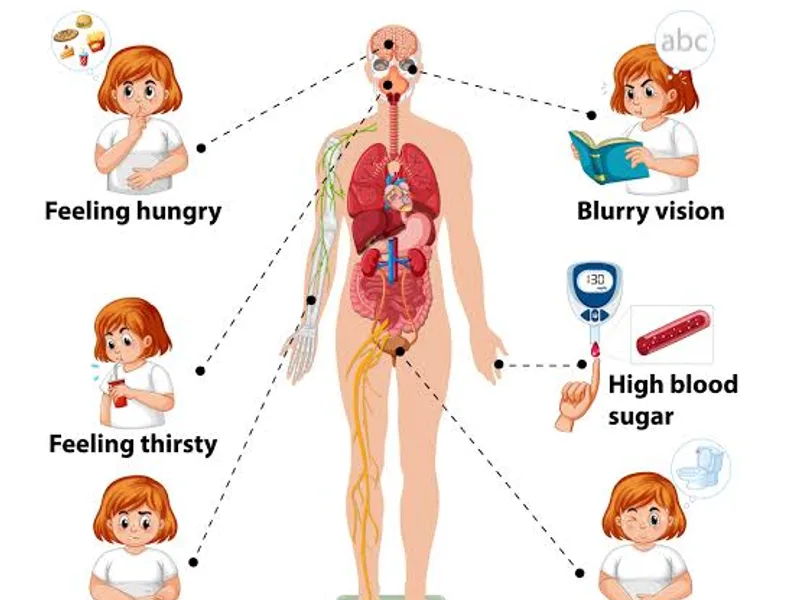
Early warning signs of diabetes, in short
The most common early warning signs of diabetes are increased thirst, frequent urination, unusual fatigue, and blurred vision — all caused by high blood sugar pulling fluid out of tissues and affecting how the eyes focus. According to the CDC and Mayo Clinic, these symptoms can develop so gradually with type 2 diabetes that people live with the condition for years before diagnosis, which is why regular screening matters as much as symptom-watching.
[REVIEWER: add clinical insight here — e.g., which early symptoms patients most often dismiss or misattribute to something else]
Why early signs are easy to miss
Type 2 diabetes, which accounts for the large majority of diabetes cases, typically develops over years rather than weeks. Mayo Clinic notes that symptoms can develop so slowly that people may have type 2 diabetes for years before being diagnosed, and some people notice no symptoms at all. That slow, quiet progression is part of why type 2 diabetes is often caught through a routine blood test rather than because someone came in with symptoms.
Type 1 diabetes behaves differently. The CDC notes that while early type 1 diabetes may have no symptoms, once it does progress, symptoms can appear suddenly — within weeks or months — and be severe, including stomach pain and diabetic ketoacidosis, a serious complication. This is one reason type 1 diabetes is more often diagnosed after a sudden onset of clear symptoms, especially in children.
The core early symptoms
Increased thirst and frequent urination. When blood sugar runs high, the kidneys work harder to filter and reabsorb the excess glucose. When they can't keep up, glucose spills into urine and pulls water along with it, leading to more frequent urination — which in turn triggers more thirst as the body tries to replace lost fluid.
Fatigue. Cells rely on glucose for energy, and when insulin isn't moving glucose into cells efficiently, the body can be simultaneously high in blood sugar and starved for usable energy at the cellular level. That combination is a common driver of the persistent tiredness many people report before diagnosis.
Blurred vision. High blood sugar can pull fluid from tissues throughout the body, including the lens of the eye, which changes its shape and affects focus. Mayo Clinic notes this kind of blurry vision often improves once blood sugar is brought under control, but any new vision changes are still worth having checked, since diabetes can also cause longer-term eye complications.
Unexplained weight loss. When the body can't use glucose for energy properly, it may start breaking down muscle and fat for fuel instead, which can cause noticeable weight loss without any change in diet — a symptom Mayo Clinic specifically flags as worth prompt medical attention.
Signs that are easier to overlook
Beyond the classic four, a handful of subtler signs are worth knowing. Slow-healing cuts, sores, or frequent infections happen because high blood sugar can impair circulation and immune response, according to the CDC. Tingling or numbness in the feet or hands can signal early nerve damage (neuropathy), which sometimes appears even before a formal diagnosis. Recurring yeast infections or urinary tract infections are also more common with elevated blood sugar, since excess glucose in urine can encourage infection.
Darkened patches of skin, often in body folds like the neck or armpits — a condition called acanthosis nigricans — can be a visible sign of insulin resistance, the underlying process behind most type 2 diabetes.
[REVIEWER: add clinical insight here — e.g., how often you see acanthosis nigricans or recurring infections as the presenting complaint versus classic thirst/urination symptoms]
Because prediabetes and early type 2 diabetes frequently cause no symptoms at all, the ADA and CDC both recommend routine screening rather than waiting for symptoms to appear. The ADA recommends diabetes screening starting at age 35 for most adults, with earlier and more frequent screening for people who are overweight or have other risk factors such as a family history of diabetes, high blood pressure, or a history of gestational diabetes.
This distinction matters: someone can have completely normal energy, thirst, and vision and still have prediabetes or early type 2 diabetes detectable only through a fasting blood sugar or A1C test. Symptom awareness helps people recognize when to seek care sooner, but it isn't a substitute for the blood work that catches disease before symptoms show up.
When to seek care urgently
Most early diabetes symptoms build gradually and warrant a routine doctor's visit rather than emergency care. But some signs need faster attention. Rapid or deep breathing, fruity-smelling breath, confusion, nausea, or vomiting alongside high thirst and urination can signal diabetic ketoacidosis, a serious and potentially life-threatening complication that the CDC notes can develop over hours once it starts. Anyone experiencing that combination of symptoms should seek emergency care rather than waiting for a scheduled appointment.
A practical takeaway
If you've noticed persistent thirst, more frequent bathroom trips, unusual fatigue, or blurry vision lasting more than a week or two, that's a reasonable trigger for a doctor's visit and a simple blood sugar check — not a reason to panic, but not something to wait out either. And if you're over 35, or younger with risk factors like excess weight or a family history of diabetes, routine screening is worth asking about even without any symptoms at all.
FAQ
What are the first signs of diabetes? The most common early signs are increased thirst, frequent urination, fatigue, and blurred vision. These occur because high blood sugar pulls fluid from the body's tissues and affects how cells access energy, according to Mayo Clinic and the CDC.
Can you have diabetes with no symptoms? Yes. Type 2 diabetes and prediabetes often cause no noticeable symptoms, sometimes for years. This is why the American Diabetes Association recommends routine blood sugar screening starting at age 35, or earlier for people with risk factors, rather than relying on symptoms alone.
How is type 1 diabetes different from type 2 in its early signs? Type 1 diabetes symptoms often appear suddenly, over weeks or months, and can be severe, including stomach pain. Type 2 diabetes typically develops gradually over years, and its symptoms are often mild enough to go unnoticed for a long time.
What does diabetic ketoacidosis feel like? Diabetic ketoacidosis usually starts with excessive thirst and urination, then can progress to rapid breathing, fruity-smelling breath, nausea, and confusion. The CDC identifies it as a serious complication requiring emergency medical care.
Should I get tested for diabetes if I feel fine? Possibly, depending on your age and risk factors. The ADA recommends screening for most adults starting at 35, and earlier for people who are overweight or have a family history of diabetes, high blood pressure, or gestational diabetes history, since early diabetes often has no symptoms.