Early Warning Signs of Hypertension: What to Watch For
Hypertension, or high blood pressure, usually causes no symptoms at all until it has already damaged the heart, kidneys, or blood vessels. The only reliable way to catch it early is a blood pressure reading — not how you feel. Still, a small number of people notice subtle clues, and certain risk factors make regular checks especially important.
Why Hypertension Is Called the "Silent Killer"
High blood pressure typically produces no warning signs at all, even when readings are dangerously high. This is why medical organizations describe it as a silent condition — damage to arteries, the heart, and the kidneys can build for years before anything feels wrong. By the time symptoms appear, they're often signs of a complication, not of hypertension itself.
This silence is exactly what makes routine screening so important. A blood pressure cuff catches what your body won't tell you.
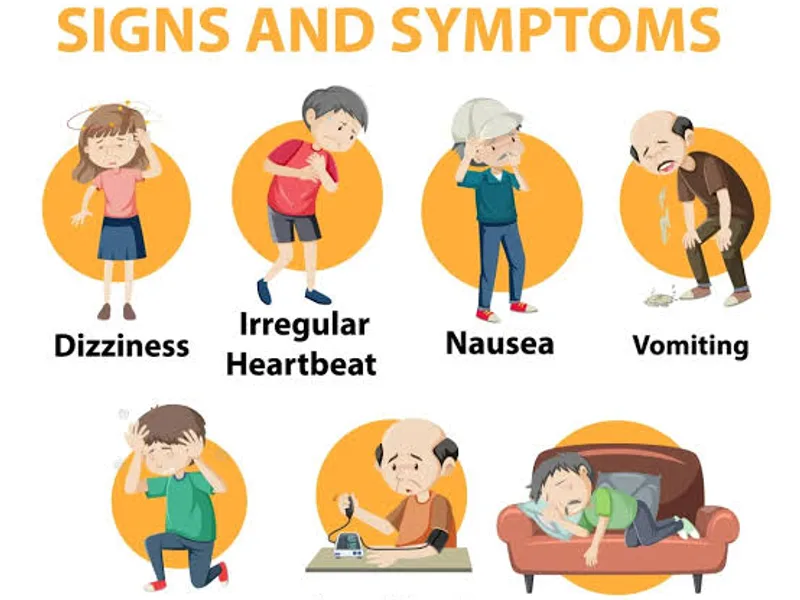
Subtle Signs Some People Notice
A minority of people with very high blood pressure do report symptoms. None of these are exclusive to hypertension, but combined with risk factors, they're worth a check:
Headaches, particularly at the back of the head, especially with very elevated readings
Dizziness or lightheadedness, especially when standing up quickly
Nosebleeds that happen more often than usual
Shortness of breath with mild exertion
Blurred or disturbed vision
Chest discomfort or a pounding heartbeat
Fatigue that doesn't match your activity level
[REVIEWER: add clinical insight here — for example, which of these symptoms you see most often prompt patients to come in, and how you distinguish routine tension headaches from hypertension-related ones in practice.]
None of these symptoms confirm hypertension on their own, and most people with high readings feel nothing unusual. If you notice several of these together, it's worth getting your blood pressure checked rather than waiting.
When Symptoms Signal an Emergency
A few symptoms point to a hypertensive crisis, a medical emergency where blood pressure spikes to a dangerous level (typically above 180/120 mmHg). Seek immediate medical care if you experience:
Severe headache with confusion
Chest pain
Shortness of breath at rest
Vision changes
Difficulty speaking or weakness on one side of the body
Blood in urine
These can indicate damage already occurring to the heart, brain, or kidneys, and they require emergency evaluation, not a routine appointment.
Risk Factors That Make Screening More Important
Because hypertension is largely symptom-free, your risk profile matters more than how you feel. Factors that raise risk include:
Age — risk rises steadily after 45 for men and after 55 for women
Family history of high blood pressure
Being overweight or obese
A diet high in sodium and low in potassium
Low physical activity
Heavy alcohol use
Smoking or tobacco use
Chronic stress
Existing conditions such as diabetes, kidney disease, or high cholesterol
Race and ethnicity — Black adults in the U.S. develop high blood pressure at higher rates and at younger ages than other groups
If several of these apply to you, more frequent monitoring is worth discussing with a doctor, even without symptoms.
How Blood Pressure Categories Work
Guidelines define hypertension using two numbers: systolic (pressure when the heart beats) over diastolic (pressure between beats). Categories generally used by U.S. cardiology guidelines are:
Normal: below 120/80 mmHg
Elevated: 120–129 systolic, below 80 diastolic
Stage 1 hypertension: 130–139 systolic or 80–89 diastolic
Stage 2 hypertension: 140/90 mmHg or higher
Hypertensive crisis: above 180/120 mmHg — requires urgent care
A single high reading doesn't confirm hypertension, since factors like stress, caffeine, or a poorly fitted cuff can temporarily raise numbers. Diagnosis typically requires multiple elevated readings on different occasions.
How Early Detection Changes the Outlook
[REVIEWER: add clinical insight here — for example, how early lifestyle intervention or medication has changed outcomes for patients you've treated, or what you tell newly diagnosed patients about what's still fully within their control.]
Catching elevated blood pressure early — before it becomes Stage 2 or causes organ damage — gives the most options for managing it through lifestyle changes alone, such as reducing sodium, increasing physical activity, and managing stress. The earlier it's caught, the more reversible the trajectory tends to be.
What to Do If You Suspect High Blood Pressure
Get an accurate reading. Use a validated home monitor or a pharmacy machine, seated with feet flat and arm supported.
Take multiple readings across different days rather than relying on one.
Track the numbers and bring them to a doctor's appointment.
Don't self-diagnose or self-medicate based on a single reading.
Seek emergency care if you have any symptoms listed under the hypertensive crisis section above.
FAQ
Can you feel high blood pressure? Most people feel nothing, even at dangerously high levels. Some notice headaches, dizziness, or nosebleeds when readings are very elevated, but these symptoms are inconsistent and shouldn't replace an actual blood pressure check.
What is considered a dangerously high blood pressure reading? A reading above 180/120 mmHg is considered a hypertensive crisis. If it's accompanied by chest pain, confusion, vision changes, or shortness of breath, it requires emergency medical attention immediately.
At what age should I start checking my blood pressure regularly? Most guidelines recommend adults start regular screening at 18, with more frequent checks after 40 or sooner if risk factors like obesity, family history, or diabetes are present.
Can stress alone cause high blood pressure? Stress can cause temporary spikes, but chronic hypertension usually results from a combination of genetics, lifestyle, and underlying conditions. Ongoing stress may still contribute to sustained elevation over time.
Is high blood pressure reversible? In many cases, especially when caught early, lifestyle changes such as reducing sodium, exercising, losing excess weight, and managing stress can lower blood pressure back into a normal range without medication.
Practical Takeaway
You can't rely on symptoms to catch high blood pressure — most people have none. If you're over 40, have a family history, or carry other risk factors, a blood pressure check at your next pharmacy visit or appointment is a five-minute habit that catches what your body won't tell you.