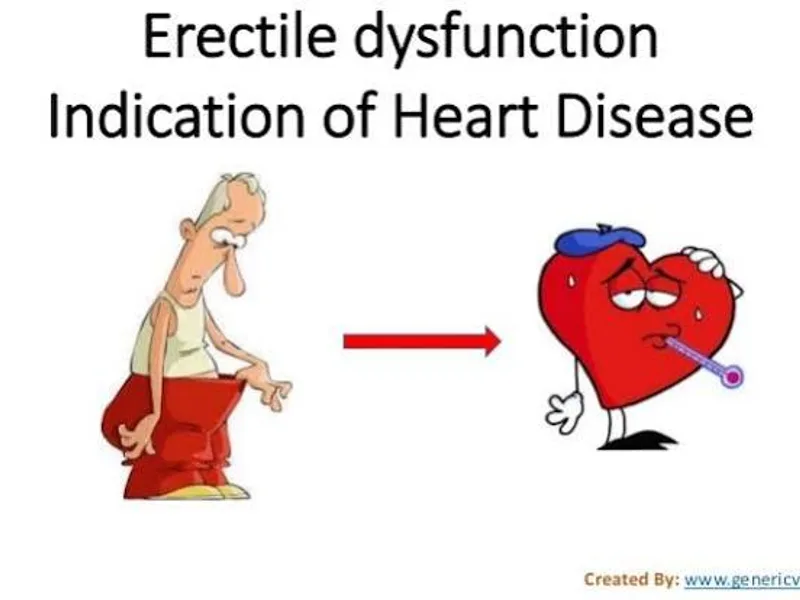
How are ED and heart disease connected?
Erections depend heavily on blood-vessel function. When a man becomes sexually aroused, blood vessels in the penis need to widen and allow increased blood flow into erectile tissue.
Heart disease and erectile dysfunction can share the same underlying vascular problems, including atherosclerosis, a condition in which fatty deposits build up inside arteries. High blood pressure, diabetes, smoking, obesity and other cardiovascular risk factors can also contribute to ED. The European Association of Urology notes that regular erectile problems may be linked with conditions including heart disease, diabetes and hypertension.
The connection does not mean that every man with ED has heart disease. But persistent, unexplained ED deserves more attention than simply treating the erection itself.
Why can ED appear before heart symptoms?
The blood vessels supplying the penis are relatively small. Problems with blood-vessel health may therefore affect erectile function before more obvious cardiovascular symptoms appear.
That is one reason ED can sometimes act as an early warning sign of cardiovascular risk. However, ED should not be treated as a stand-alone heart test, and it cannot predict a heart attack in an individual man.
In clinical practice, ED is sometimes overlooked as a possible vascular clue because men may be reluctant to discuss sexual symptoms with their doctor. A straightforward conversation about erections can occasionally open the door to a much broader assessment of cardiovascular health.
Shared risk factors matter
ED and cardiovascular disease have several risk factors in common.
High blood pressure
Long-standing high blood pressure can damage blood vessels and is associated with erectile problems. Hypertension may also contribute to vascular changes that affect the ability to achieve an erection.
Diabetes
High blood glucose can damage blood vessels and nerves over time. Both vascular and nerve changes can interfere with normal erections.
Smoking
Smoking damages blood vessels and increases cardiovascular risk. It is also a recognised contributor to erectile problems.
Obesity and inactivity
Excess weight, metabolic problems and physical inactivity can increase cardiovascular risk and may contribute to ED. Lifestyle changes such as becoming more physically active, improving diet and reducing tobacco and excessive alcohol use can benefit overall health and may improve erectile function.
High cholesterol
Abnormal cholesterol levels can contribute to atherosclerosis. When arteries become less healthy, blood flow can be affected in different parts of the body, including the penis.
Does ED mean a man has blocked heart arteries?
No.
This is an important distinction. ED can be associated with vascular disease, but it does not prove that coronary arteries are blocked.
Erection problems can have many other causes, including anxiety, depression, medication side effects, hormonal problems, neurological conditions, pelvic surgery and relationship difficulties. The European Association of Urology lists several physical and psychological contributors to ED.
A proper assessment considers the whole picture rather than assuming heart disease is responsible.
What if a man already has heart disease?
Men with known cardiovascular disease should discuss sexual activity and ED treatment with their healthcare professional, particularly if their heart condition is unstable or symptoms occur with exertion.
Sexual activity increases the body's physical demands. Current cardiovascular guidance recommends avoiding sexual activity in people with unstable or decompensated cardiovascular disease until their condition has been appropriately managed.
The question is not simply whether a man has “heart disease.” The severity and stability of the condition matter.
Are ED medicines safe for men with heart disease?
Many men with cardiovascular disease can use medicines for ED, but not everyone can.
One particularly important safety issue involves nitrate medicines, which are commonly used for angina. Phosphodiesterase-5 (PDE5) inhibitors used for ED should not be taken together with nitrates because the combination can cause a dangerous fall in blood pressure.
This is why men should tell their doctor about all heart medicines before starting ED treatment. Do not purchase or combine ED medicines without professional advice.
The European Association of Urology lists medicines, lifestyle changes, counselling, vacuum devices and other approaches among available ED treatments, depending on the individual's situation.
What should a man do if ED starts suddenly?
A sudden change in erectile function deserves attention, particularly if the problem persists.
A doctor may ask about blood pressure, diabetes, cholesterol, smoking, alcohol, medications, exercise, psychological health and other cardiovascular risk factors. Depending on the history, additional tests may be appropriate.
The goal is not to frighten someone into thinking that ED means a heart attack is coming. It is to recognise that sexual health and cardiovascular health can sometimes be connected.
Can improving heart health improve erections?
Sometimes, yes.
Healthy lifestyle changes can improve cardiovascular health and may also benefit erectile function. Regular physical activity, a healthy diet, weight management, avoiding tobacco and moderating alcohol are reasonable parts of cardiovascular risk reduction. The EAU specifically recommends lifestyle changes as part of ED management.
These measures should not be presented as a guaranteed cure. Persistent ED still deserves medical evaluation.
Men can also experience anxiety or loss of confidence after repeated erection difficulties. Counselling may be useful when psychological or relationship factors are contributing.
When should you see a doctor?
Make an appointment if ED is persistent, recurrent or causing distress, particularly if you also have:
high blood pressure
diabetes
high cholesterol
obesity
a history of smoking
chest discomfort or known heart disease
reduced exercise tolerance
other symptoms of cardiovascular disease
A general physician, cardiologist or urologist can help determine whether cardiovascular risk assessment is appropriate.
Seek urgent medical attention for new or severe chest pain, severe breathlessness, fainting or other symptoms that could indicate an acute heart problem. ED itself is not an emergency, but associated cardiac symptoms can be.
The bigger picture
ED and heart disease are connected through shared vascular and metabolic pathways, but the relationship is not simple enough to say that ED automatically means heart disease.
Still, persistent ED should not be dismissed as merely a bedroom problem. It can be an opportunity to look more closely at blood pressure, blood sugar, cholesterol, smoking, weight, exercise, medications and overall cardiovascular health.
Recommended Doctar Internal Links
Use the following relevant Doctar pages naturally within the article:
Erectile dysfunction
Erectile dysfunction treatment
Understanding testosterone levels
Testosterone and men's health
Male sexual stamina
Premature ejaculation
Penile sensitivity
Penile numbness
Stress management
Anxiety management
Anxiety and exhaustion
Mindfulness techniques
CBT techniques
Finding a therapist
Mental-health assessment
Male sexual response
Male orgasm
Ejaculation frequency
Penis size and sexual satisfaction
Sex therapy in India
Sexologist consultation
Men's health articles
Men's sexual health
Find a doctor
Online sex therapy