A fall can change an older person's life in seconds. A broken hip, head injury or even the fear of falling again can lead to less movement, loss of confidence and greater dependence on family members.
Falls are a major global health concern, particularly among older adults. The World Health Organization identifies adults over 60 as having the greatest number of fatal falls worldwide, while also stressing that safer environments, physical training and other prevention measures can reduce risk.
The encouraging part is that aging itself does not make a fall inevitable. In many cases, there are several things a family and healthcare team can change.
Why older adults are more vulnerable to falls
Balance depends on several systems working together. Vision, muscle strength, the inner ear, the brain, joints and blood pressure all contribute to keeping a person upright.
Age-related muscle loss can make it harder to recover from a stumble. Arthritis may change the way someone walks, while problems such as dizziness, reduced vision or neurological disease can make ordinary movements less steady.
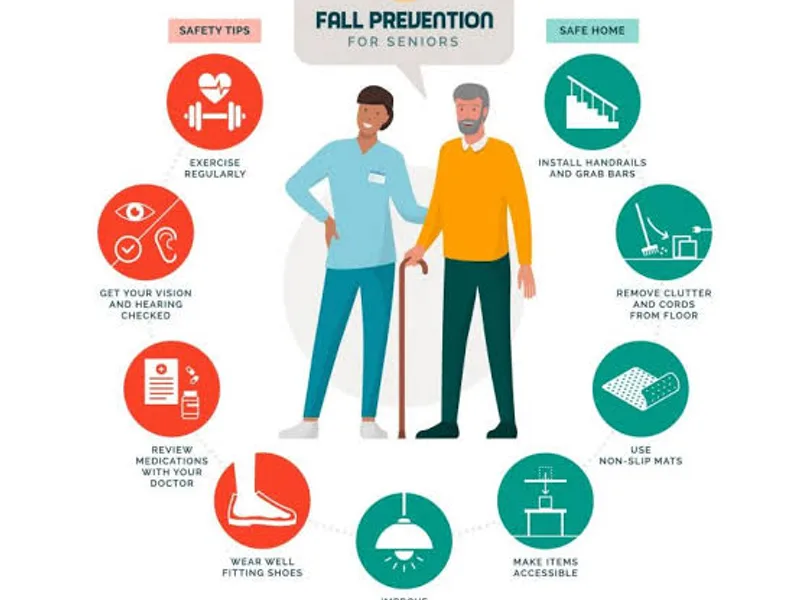
Medication can also play a role. Some medicines can cause dizziness, drowsiness or changes in blood pressure. A medication should never be stopped suddenly without medical advice, but a doctor or pharmacist can review the full list to identify possible contributors.
Doctar's guide to loss of balance in older adults offers a useful overview of balance problems, including medication, vision, cardiovascular and musculoskeletal factors.
A previous fall is a warning sign
One fall deserves attention, even if there was no fracture. A person who has fallen may become afraid to walk, spend more time sitting and gradually lose strength, creating a cycle that makes another fall more likely.
Clinical practice often misses this point because families focus on treating the injury rather than asking why the person fell in the first place. The better question is not only, “Did they get hurt?” but also, “What made this fall happen?”
What a fall-risk assessment should look at
There is no single test that predicts every fall. A useful assessment looks at several pieces of the person's health and daily environment.
A clinician may ask about previous falls, walking ability, dizziness, medications and medical conditions. Vision, hearing, blood pressure changes when standing, cognition and the safety of the home may also need consideration.
The 2024 U.S. Preventive Services Task Force recommends exercise interventions for community-dwelling adults aged 65 and older who are at increased risk of falling. It also recommends that clinicians individualize decisions about broader, multifactorial interventions based on the person's risks and circumstances.
Doctar's senior health tests guide explains how routine health screening can help identify issues affecting older adults.
Doctar's guide to fall-risk assessment covers the different areas that may be considered when assessing an older person's risk.
Strength and balance matter
Exercise is one of the better-supported tools for fall prevention. But “exercise” should not mean pushing an older person into a demanding workout routine.
Programs can include strength, balance, walking, flexibility and functional movements that relate to everyday activities. Someone who is already unsteady should discuss an appropriate program with a doctor or physiotherapist before starting.
Evidence reviewed by the USPSTF found a moderate benefit from exercise interventions in older adults at increased risk of falls. Balance, gait and functional training were among the most common components, alongside strength and resistance work.
Doctar's balance exercise guide for seniors provides additional information about exercises aimed at improving stability.
Doctar's shoulder-strengthening guide for seniors is another example of how maintaining physical function can support mobility.
Make the home harder to fall in
A surprisingly large part of elderly fall prevention happens outside the clinic.
Loose rugs, cluttered walkways, poor lighting and slippery bathroom surfaces can turn ordinary activities into hazards. Stairs deserve particular attention, especially if there is no secure handrail.
Bathrooms are another common concern. Grab bars, appropriate non-slip measures, adequate lighting and suitable seating can make the space easier to use safely.
Doctar's bathroom safety guide for seniors looks specifically at bathroom modifications and independence.
Doctar's guide to fall detection services for seniors in India discusses technology as an additional safety layer for older adults.
Technology, however, should not replace prevention. A fall-detection device can help summon assistance after an incident, but it cannot remove a slippery floor or restore weak leg muscles.
Don't overlook vision and footwear
Good vision helps a person judge steps, obstacles and changes in floor level. Regular eye checks are therefore relevant, particularly when an older adult reports difficulty seeing at night or has noticed a change in vision.
Footwear matters too. Shoes should fit properly and provide adequate support. Walking in slippery socks or unstable slippers can make an already difficult balance problem worse.
Doctar's senior health screening guide discusses vision and hearing checks alongside other health assessments.
Doctar's guide to maintaining balance in older adults also covers vision, footwear, arthritis and muscle weakness.
Bone health can change the consequences
Preventing a fall is only part of the picture. Stronger bones may reduce the consequences when a fall does occur.
Osteoporosis makes bones more fragile and can increase the risk of fractures. Older adults, particularly those with risk factors for bone loss, may need to discuss bone-health assessment with their doctor.
Doctar's guide to bone density after 60 explains bone density, osteoporosis risk and ways to support bone health.
Doctar's senior health testing guide, including bone-density screening also covers bone health as part of preventive care.
Nutrition and hydration have a role
Poor nutrition can contribute to muscle weakness, weight loss and reduced physical resilience. Persistent appetite loss in an older adult should not simply be dismissed as normal aging.
Hydration also matters. Older people may not always feel thirsty even when they need fluids, although fluid requirements vary considerably with health conditions and medical advice.
Doctar's guide to appetite loss in older adults discusses nutrition, hydration and medical causes of reduced appetite.
Doctar's healthy breakfast guide for seniors explores practical nutrition considerations for maintaining strength and energy.
A sudden change in appetite, unexplained weight loss or difficulty eating deserves discussion with a healthcare professional.
Chronic diseases should be part of the conversation
Diabetes, heart disease, arthritis and neurological conditions can all affect mobility or balance. Managing these conditions appropriately can therefore be part of a wider fall-prevention plan.
Doctar's guide to chronic diseases in older adults looks at the broader effects of long-term health conditions.
Doctar's senior diabetes and health-testing information discusses diabetes screening and its relevance to older adults.
Sleep and fatigue should not be ignored either. Poor sleep can leave a person less alert and less steady during the day.
Doctar's guide to sleep needs across different ages discusses sleep patterns and common sleep problems in later life.
What should families do after a fall?
A fall that causes severe pain, suspected fracture, head injury, loss of consciousness or a sudden change in neurological function requires prompt medical assessment. New or severe dizziness, weakness, confusion, difficulty speaking or major changes in walking also warrant urgent evaluation.
Even when an injury seems minor, recurrent falls should be discussed with a doctor. The goal is to look for potentially treatable contributors rather than simply telling the person to “be more careful.”
Doctar's guide to sudden extreme fatigue in older adults discusses symptoms that can accompany broader health problems.
Geriatric care is about independence, not restriction
Good geriatric care should not turn an older person's home into a place where they are afraid to move. The aim is safer independence.
That may mean correcting vision, reviewing medicines, improving strength, treating pain, changing the bathroom layout or arranging help when needed. Families should also consider the emotional side of falling. Fear and isolation can affect quality of life as much as the physical injury.
Doctar's guide to senior mental health and therapy explores mental-health care for older adults.
Doctar's guide to memory care in India provides further context for families supporting older adults with cognitive concerns.
Doctar's guide to adult day care for seniors and caregivers discusses supervised activities and caregiver respite.
Doctar's guide to caregiver resources highlights the practical demands that can fall on family caregivers.
Planning for emergencies
For someone living alone or with repeated falls, an emergency plan can provide another layer of protection. Families can agree on who should be contacted, where medical records are kept and how the person can call for assistance.
Medical alert systems may be useful in selected situations, particularly when an older adult wants to continue living independently.
Doctar's medical alert systems guide explains how these systems can support seniors and people with mobility or health concerns.
Doctar's One Call Alert review examines one type of emergency alert system.
Doctar's LifeStation safety guide for seniors provides another example of fall and emergency alert technology.
Doctar's ADT medical alert guide discusses features families may encounter when considering such systems.
Doctar's Life Protect 24/7 review provides another perspective on emergency support technology.
The right choice depends on the person's mobility, living situation, ability to use the device and availability of local assistance. No device can guarantee that every fall will be detected.