Do men have estrogen?
Yes. Men naturally produce estrogen, although at much lower levels than women.
Much of a man's estradiol, the main estrogen measured in men, is made when testosterone is converted by an enzyme called aromatase. This conversion occurs in tissues including body fat.
That means estrogen is not simply a “female hormone.” It has important functions in men, including roles in sexual health, bone health and other body processes.
The problem arises when estrogen activity is unusually high or low for an individual.
What does estrogen do in men?
Estrogen helps regulate several functions in the male body.
It contributes to bone health and interacts with testosterone and other hormones. Estrogen also has a role in sexual function and reproductive health.
So the goal is not to get estrogen as low as possible. Very low estrogen can also cause problems.
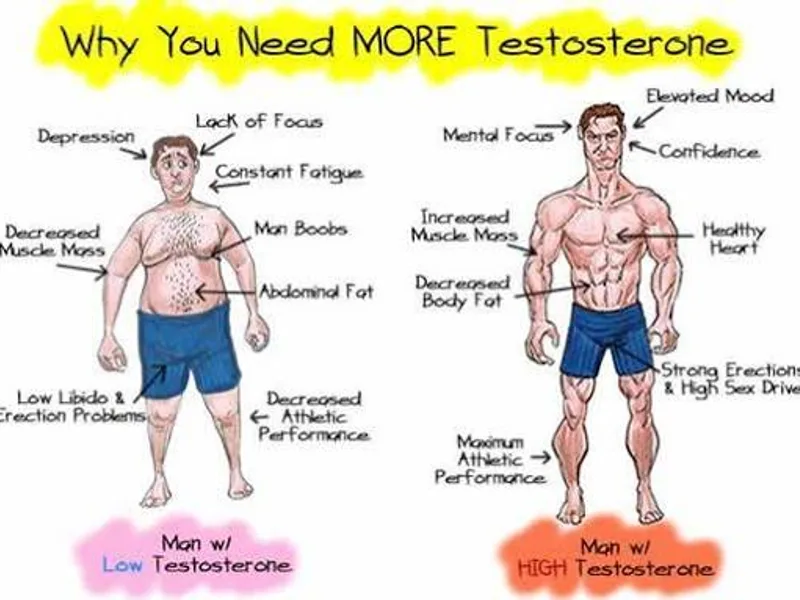
The Endocrine Society notes that low estrogen in men can be associated with increased abdominal fat and reduced sexual desire, while high estrogen may contribute to enlarged breasts, poor erections and infertility.
Symptoms of high estrogen in men
High estrogen does not always cause obvious symptoms. When estrogen activity is elevated, however, some men may develop changes such as:
Enlarged or tender breasts
One of the best-known signs is gynecomastia, meaning enlargement of actual breast tissue in a man.
Gynecomastia results from an imbalance between estrogen and testosterone activity. It can occur during normal hormonal changes, with ageing, increased body fat, certain medicines and several medical conditions.
Breast enlargement is not automatically caused by high estrogen. Fat accumulation can produce a similar appearance, so a physical examination may be needed.
Changes in erections
High estrogen may be associated with poorer erections. However, erectile dysfunction has many possible causes, including cardiovascular disease, diabetes, anxiety, medications and testosterone deficiency.
Men with persistent erection problems can learn more about erectile dysfunction rather than assuming estrogen is responsible.
Lower sexual desire
Hormonal imbalance can affect libido, but low sexual desire is not specific to estrogen.
Stress, depression, relationship problems, poor sleep, medication effects and low testosterone can all reduce sexual interest. Doctar's resource on low libido and online sex therapy provides additional information about psychological and relationship factors.
Fertility problems
Hormonal disruption can affect sperm production and fertility. Estrogen is part of the reproductive hormone system, so excessively altered estrogen activity may interfere with that balance.
Fertility concerns should be assessed rather than treated with an over-the-counter “estrogen blocker.”
What causes high estrogen in men?
There is usually more than one possible explanation.
Increased body fat
Body fat contains aromatase, the enzyme that converts testosterone into estradiol. Research has linked obesity and insulin resistance in men with lower testosterone and higher estradiol levels.
This is one reason weight and metabolic health can influence the balance between testosterone and estrogen.
Doctar's testosterone and men's health content discusses testosterone-related health and the problems with assuming that every hormonal symptom requires a supplement.
Testosterone therapy
Men receiving testosterone therapy may experience increased estradiol because some of the additional testosterone can be converted to estradiol through aromatase.
The American Urological Association notes that estradiol may increase during testosterone treatment and recommends measuring serum estradiol in testosterone-deficient men who have breast symptoms or gynecomastia.
This does not mean every man on TRT develops clinically significant estrogen problems.
For readers considering treatment, Doctar's TRT side effects and risks explains why testosterone therapy requires medical supervision.
Certain medicines
Some medicines can alter the balance between testosterone and estrogen or contribute to gynecomastia.
The Endocrine Society lists several medication groups associated with gynecomastia, including some drugs used for prostate disease, heart and blood-vessel conditions, stomach problems and psychiatric conditions.
Never stop a prescribed medicine simply because you suspect it is affecting your hormones. Discuss the concern with the prescribing clinician.
Liver or kidney disease
The liver and kidneys play important roles in hormone metabolism and clearance. Liver disease, kidney disease and kidney failure can therefore be associated with gynecomastia and hormonal disturbances.
What about low estrogen in men?
Too little estrogen can also matter.
Because men make estrogen partly by converting testosterone into estradiol, very low testosterone can contribute to low estrogen levels.
Low estrogen in men has been associated with reduced sexual desire and increased abdominal fat.
There is also evidence that estrogen has an important role in male bone health. This is one reason deliberately suppressing estrogen without a clear medical indication can be a bad idea.
Can testosterone boosters cause estrogen problems?
Possibly, depending on what the product actually contains.
The supplement market is poorly regulated compared with prescription medicines, and some performance-enhancing products have been found to contain undisclosed hormones or banned substances.
A 2024 Endocrine Society case report described commercially available performance-enhancing supplements that contained undisclosed testosterone and estradiol along with other banned performance-enhancing compounds. The man's hormonal abnormalities and gynecomastia resolved after the supplements were stopped.
That is one reason not to assume a product labelled “natural testosterone booster” is automatically harmless.
Doctar's testosterone boosting supplements guide is useful for understanding why supplement claims should be approached cautiously.
How is estrogen imbalance diagnosed?
Symptoms alone cannot establish that estrogen is too high or too low.
A doctor may consider medical history, medications, body weight, sexual symptoms, breast changes and other hormonal symptoms. Blood testing may be appropriate in selected cases.
The American Urological Association specifically recommends serum estradiol testing in testosterone-deficient men who present with breast symptoms or gynecomastia before testosterone therapy.
Testing should therefore be guided by the clinical situation rather than routinely checking estrogen in every man.
Should men take estrogen blockers?
Not without medical advice.
Aromatase inhibitors reduce the conversion of testosterone to estradiol. The AUA/ASRM male-infertility guideline notes that clinicians may consider these medicines in selected men with testosterone deficiency and elevated estradiol.
That is very different from taking an estrogen blocker simply because a laboratory result is slightly outside a preferred range.
Too little estrogen can also be harmful. Hormones work as a system, and pushing one hormone down can affect others.
When should you see a doctor?
Medical evaluation is sensible if you develop:
new breast enlargement or breast tenderness
persistent erectile difficulties
unexplained loss of sexual desire
fertility problems
significant hormonal symptoms while taking TRT
symptoms after starting a supplement or performance-enhancing product
A urologist, endocrinologist or qualified men's-health physician can determine whether hormone testing is appropriate.
If sexual or relationship concerns are contributing, sex therapy in India may also be relevant.
In clinical practice, the biggest mistake is treating estrogen as the enemy. Men need some estrogen, just as they need testosterone. The medical question is whether there is a genuine hormonal abnormality and what caused it.