

Emergency & Help
24/7 Emergency & General Advisory
🚨 24/7 Medical Emergency
Non-Emergency Advisory
10:00 AM – 6:00 PM, Mon–Sat
For appointments & general queries.
24/7 Emergency & General Advisory
🚨 24/7 Medical Emergency
Non-Emergency Advisory
10:00 AM – 6:00 PM, Mon–Sat
For appointments & general queries.
Getting back to movement after a heart attack feels frightening for most people, and that fear is completely understandable. This guide explains how structured cardiac rehabilitation works, why supervised exercise after a heart attack is safer and more effective than going it alone,
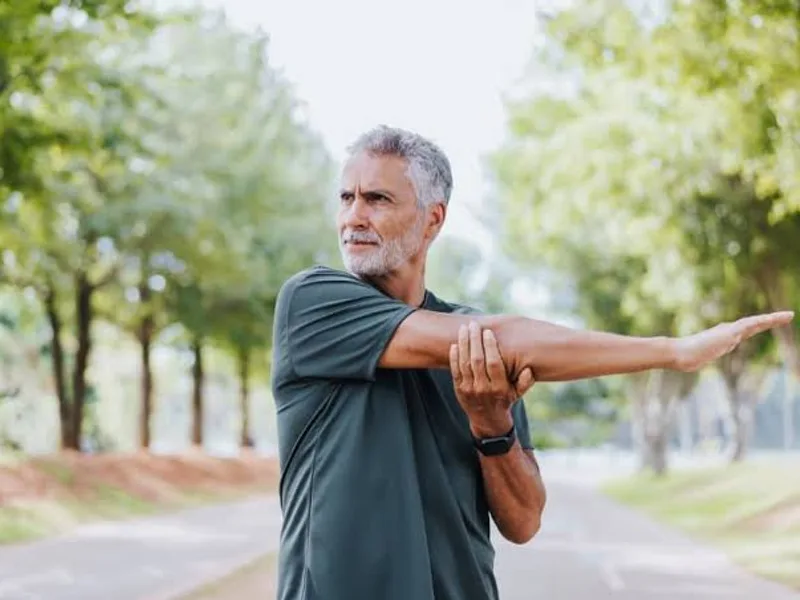
Coming home after a heart attack changes how you think about your own body. Even walking to the kitchen can feel like a small negotiation with fear. Is this too much? What if something happens again?
That anxiety is normal, and honestly, it's not entirely misplaced. But the medical evidence on this is fairly settled: structured, supervised exercise after a heart attack generally leads to better outcomes than staying inactive out of caution. The key word there is supervised. This isn't something to figure out alone from a blog post, including this one.
A heart attack damages part of the heart muscle, and how much depends on your specific case. Movement, done correctly and gradually, helps the rest of the heart adapt, improves circulation, and supports recovery of overall physical capacity.
Cardiac rehabilitation programs exist specifically for this reason. They're not just about fitness. They typically combine supervised exercise with education on heart-healthy habits, medication management, and emotional support, because recovering from a cardiac event affects more than the body.
In clinical practice, this is often missed because patients assume rest alone is the safest path forward, when in reality prolonged inactivity after a heart attack often works against recovery rather than protecting it. Your care team will tell you when movement is appropriate for your specific case, and that timeline varies from person to person.
Recovery generally happens in stages, though the exact pace depends entirely on your individual condition, the extent of heart damage, and your doctor's assessment.
The earliest phase happens in the hospital itself, often within a day or two if your condition allows, and involves very light supervised movement like sitting up or short walks around the ward. This is closely monitored by hospital staff, not something to replicate at home on your own timeline.
The next phase, often called outpatient cardiac rehabilitation, typically happens over several weeks after discharge. It usually involves structured sessions at a rehab centre, with supervised exercise gradually building in duration and intensity under professional monitoring, along with education on lifestyle changes.
A later, ongoing phase focuses on maintaining activity long-term, ideally supported by regular check-ins with your care team even after formal rehab sessions end. This is where many people unfortunately drop off, once the structured program ends and daily life resumes.
This isn't a topic where general fitness advice safely applies. Your heart's condition, medication, and specific risk factors all shape what's actually safe for you, and none of that can be determined from an article online, including this one.
A cardiologist will typically clear you for specific activity levels based on tests done after your event, sometimes including a monitored exercise stress test. Please don't self-prescribe an exercise intensity or skip this clearance step because you feel fine. Feeling fine and having a stable heart rhythm under exertion are not always the same thing.
If a formal cardiac rehab program isn't easily accessible to you, ask your doctor about alternatives, including whether structured home visit doctor follow-ups could help monitor your progress between clinic visits.
Most cardiac rehab programs start with gentle activity, often walking, and build gradually over weeks under supervision. The specific pace, duration, and intensity should come from your care team, not a generic template, since it depends on the extent of your heart damage and your overall fitness before the event.
Warning signs during any activity, such as chest pain, unusual shortness of breath, dizziness, or irregular heartbeat, mean stopping immediately and seeking medical attention, not pushing through. If you've been prescribed medication for chest pain, your care team will usually advise keeping it with you during activity, just in case.
Please avoid comparing your recovery pace to someone else's story you read online or heard from a relative. Heart damage varies enormously between individuals, and what's appropriate for one person's recovery could be genuinely unsafe for another's.
It's fair to say the emotional side of this often gets less attention than it deserves. Anxiety, low mood, and fear of another event are common after a heart attack, and they can genuinely slow physical recovery if left unaddressed.
Talking openly with your care team about this isn't a sign of weakness, it's a normal part of recovery that many programs actively build support around. If persistent low mood or anxiety continues beyond the initial weeks, it's worth raising directly rather than assuming it will simply pass on its own.
Recovery after a heart attack usually goes better with a properly coordinated care team rather than piecing things together alone. You can find a cardiologist near you to lead ongoing monitoring, or browse verified doctors in Kolkata if you're building a broader care team. For rehab facilities and follow-up testing, hospitals in Kolkata or hospitals near you can confirm what cardiac rehab options are available near you.
Routine follow-up blood work, including cholesterol and clotting panels, can be arranged through diagnostic centres across Kolkata or diagnostic centres near you, often with home collection if travel is still difficult. A physiotherapist trained in cardiac rehabilitation can support the structured exercise component directly, and a dietitian can help align nutrition with your recovery plan, since diet plays a genuine role in preventing another cardiac event.
For patients managing recovery mostly at home, a nurse for home monitoring can track vitals and medication timing, and a compounder can assist with routine checks between formal appointments. Medicines prescribed during recovery can be ordered through a pharmacy near you rather than adding another outing to an already demanding schedule.
If diabetes is part of your health picture alongside heart recovery, an endocrinologist should be looped into your care team, since the two conditions influence each other closely. A general physician near you can help coordinate overall care between specialists if things start to feel fragmented. Breathing difficulty that persists beyond what your cardiologist expects is worth raising with a pulmonologist, and family members supporting a recovering parent or partner can browse all doctors near you to build a fuller support network around the patient.
Women managing heart recovery around pregnancy planning should involve a gynecologist early in those discussions, and if any procedure is recommended as part of ongoing treatment, comparing options through surgery listings is worth doing carefully rather than under pressure. For families outside Kolkata, similar cardiac care networks exist through doctors across India, and general health information is available through the Doctar blog if you want to read further before your next appointment.
Visit Hospital
Near You