What Is the Faith-Based Wellness Movement?
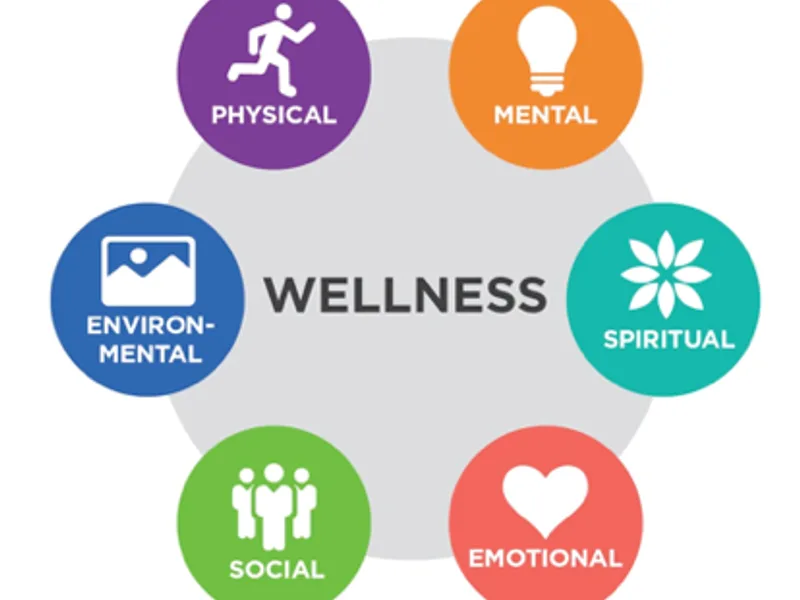
The faith-based wellness movement is less a single programme than a growing way of thinking about health. It connects physical habits and mental wellbeing with a person's religious beliefs, values and sense of purpose.
For one person, that might mean prayer before starting the day. For another, it could involve attending a place of worship, volunteering, sharing meals with a faith community or setting aside quiet time for reflection.
The approach is not limited to one religion. Different communities have their own traditions surrounding fasting, rest, food, service, meditation, prayer and social connection.
DOCTAR's broader collection of health, wellness and medical articles shows how modern wellness discussions increasingly cover physical, emotional and lifestyle factors alongside conventional healthcare.
Why Is Faith Becoming Part of Wellness Conversations?
Health is not only about what happens inside a doctor's office. People also manage stress through relationships, routines, beliefs and communities.
For some individuals, religious faith provides a framework for coping with uncertainty or difficult life events. That does not mean faith prevents illness. It means the person's beliefs may influence how they respond to challenges.
Research into spirituality and health is complex, and results can vary depending on the practice being studied and the outcome being measured. Claims that prayer or spirituality can cure disease go well beyond what evidence can safely establish.
A more cautious approach is to look at specific practices and their possible effects on wellbeing. DOCTAR's guide to understanding and managing emotional distress discusses several practical approaches, including social support, mindfulness, sleep and physical activity.
Faith, Stress and Emotional Wellbeing
Stress is one area where faith and wellness often overlap.
Prayer, meditation, quiet reflection and supportive community relationships may give people a structured way to pause and process difficult experiences. These practices may also encourage people to slow down rather than react immediately to stressful situations.
That does not make them a replacement for therapy or psychiatric care when someone has a mental health condition.
People interested in practical stress strategies can read DOCTAR's stress management guide and its article on toxic stress and resilience.
Mindfulness Can Be Adapted to Personal Beliefs
Mindfulness and faith are not automatically the same thing, but some people combine reflective practices with their religious traditions.
DOCTAR's simple mindfulness techniques for anxiety describes breathing, mindful walking, body awareness and mindful eating. Its Mindfulness-Based Stress Reduction guide explains a structured programme that uses mindfulness to help people respond to stress differently.
For someone who prefers a more explicitly spiritual approach, spiritual meditation and its role in wellbeing explores meditation centred on a connection with something greater than oneself.
Community May Be Part of the Benefit
Faith communities can offer something that individual wellness plans often lack: regular human contact.
Shared meals, group worship, volunteering and informal conversations can create opportunities for social connection. For people who feel isolated, that sense of belonging may be meaningful.
Still, not every religious community is automatically supportive. A healthy faith environment should allow people to seek professional help without shame or pressure.
The emerging concept of a mental health gym offers an interesting comparison. It focuses on building emotional skills and social support rather than replacing therapy.
Faith and Physical Wellness
A faith-based wellness movement does not have to stop at prayer or reflection. Physical health can also be part of a person's values.
Regular movement, nutritious food and adequate sleep remain important regardless of religious belief. DOCTAR's healthy lifestyle guide for Indian readers covers exercise, nutrition, sleep and stress management.
For people who want movement to feel more reflective, mindful movement through yoga and strength training explains how awareness can be incorporated into exercise.
Moderate-intensity exercise also has well-established relevance to physical health, mood and sleep.
The goal should not be to turn exercise into another moral test. Missing a workout does not make someone unhealthy or spiritually weak.
Rest Is Part of Wellness Too
Many faith traditions place some value on rest, reflection or observing a regular day of reduced activity. Modern wellness discussions are reaching a similar conclusion from a different direction: constant activity is not sustainable.
DOCTAR's guide to rest and restoring mind, body and spirit discusses routines, boundaries, stress management and the need for recovery.
Sleep deserves particular attention. Better sleep guidance covers sleep routines, physical activity and stress management, while its guide to sleep troubles discusses common causes of poor sleep and when professional help may be needed.
A quiet evening prayer or reflective ritual may be comforting, but persistent insomnia should not simply be labelled a spiritual problem.
Food, Faith and Healthy Habits
Food has a strong place in many religious traditions. Meals can represent hospitality, celebration, discipline or community.
A faith-based approach to food can encourage gratitude and mindful eating, but restrictive rules deserve scrutiny when they eliminate essential nutrients or conflict with medical needs.
DOCTAR's mindful eating guide explores paying attention to hunger, fullness and the experience of eating rather than treating food simply as a source of calories.
Someone following a religious fast may also need individual medical guidance. People with diabetes, pregnancy, eating disorders or certain chronic conditions should discuss significant dietary restrictions with a qualified healthcare professional.
Where Faith Should Not Replace Healthcare
This is the line that should remain clear.
Faith may provide comfort, meaning, community or a personal framework for coping, but it should not be presented as a cure for cancer, diabetes, depression, heart disease or other medical conditions.
In clinical practice, this is often missed because patients may feel caught between their spiritual beliefs and medical advice. Good healthcare does not require people to abandon their faith; it requires dangerous claims and delayed treatment to be addressed honestly.
DOCTAR's mental health assessment guide explains why professional evaluation matters when mental health symptoms persist.
Likewise, natural therapies and mind-body practices can complement healthcare in some situations, but they should be considered alongside medical advice rather than used to replace necessary treatment.
A More Grounded Way to Approach Faith-Based Wellness
The most useful version of this movement is probably the least dramatic.
Keep the prayer, reflection or spiritual community if it gives your life meaning. Add ordinary health habits that have a sound basis: regular movement, balanced food, adequate sleep and appropriate medical care.
For people interested in meditation, online guided meditation offers practical options, while meditation for sleep focuses specifically on bedtime relaxation.
Other spiritual practices may appeal to different people. DOCTAR also covers Kundalini meditation, Isha Kriya meditation and the potential role of silence and reflective retreats.
Even newer wellness trends such as the 75 Soft challenge highlight a useful lesson: sustainable habits usually matter more than extreme rules.