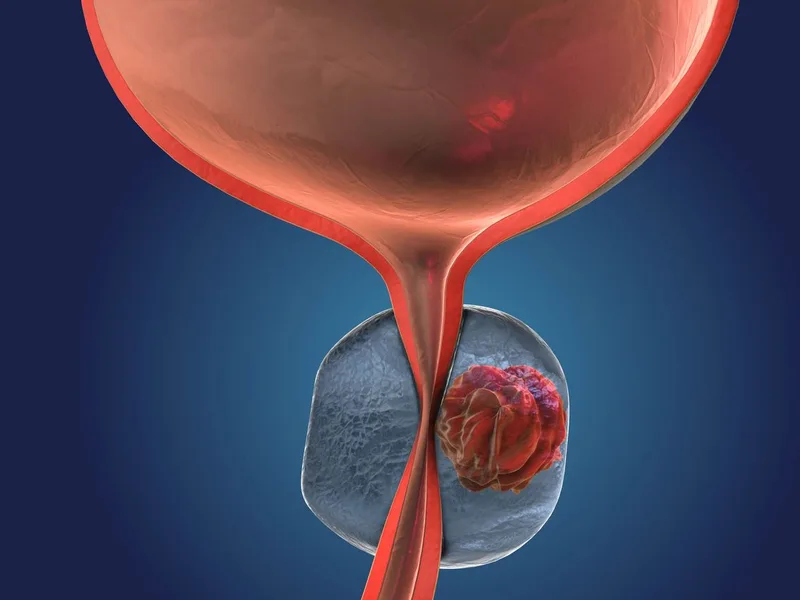
A new prostate cancer approval landed on July 31, 2026, and it's the kind that actually shifts how doctors think about sequencing treatment. The FDA cleared lutetium Lu 177 vipivotide tetraxetan, sold as Pluvicto, for use alongside an androgen receptor pathway inhibitor (ARPI) in men with a specific, earlier stage of metastatic prostate cancer than this drug has treated before.
If that sentence reads like alphabet soup, that's fair. Let's take it apart piece by piece, because what changed here matters for a fairly large group of patients.
What Actually Got Approved
Pluvicto is what's called a radioligand therapy. Think of it as a delivery vehicle with a radioactive passenger. The drug seeks out a protein called PSMA (prostate-specific membrane antigen), which sits on the surface of most prostate cancer cells, and once it locks on, it releases a small, targeted dose of radiation meant to damage and kill that cancer cell while sparing most healthy tissue around it.
This approach isn't new. Pluvicto has been approved since 2022 for metastatic castration-resistant prostate cancer, meaning cancer that has already stopped responding to hormone therapy. What's new is the setting: the FDA has now approved it for men whose cancer is still responding to hormone-based treatment, a stage now officially termed "metastatic androgen pathway modulation-naive or -sensitive" prostate cancer. Most people will still recognize it by its older name, metastatic hormone-sensitive prostate cancer, or mHSPC.
In plain terms, this drug used to be reserved for later in the disease course. Now it's an option earlier, alongside standard hormone therapy, rather than after hormone therapy has already failed.
The Trial Behind the Decision
The approval rests on the PSMAddition trial, a phase 3 study that enrolled 1,144 men with PSMA-positive mHSPC. Half received Pluvicto plus an ARPI (drugs like abiraterone, enzalutamide, apalutamide, or darolutamide) on top of standard hormone-blocking treatment. The other half received the ARPI and hormone therapy alone, without Pluvicto.
The men getting the combination had a 28% lower risk of their cancer progressing or of death, compared with the group on standard treatment alone. In trial terms, that's a hazard ratio of 0.72, which a statistician would call a meaningful and statistically significant difference.
One honest caveat worth stating plainly: overall survival data from this trial isn't mature yet. Early results trend in favor of the Pluvicto combination, but the FDA didn't approve this based on a confirmed survival benefit — it approved it based on slowing disease progression, which is a related but different measure. Patients deserve to know that distinction rather than have it glossed over.
Who Actually Qualifies
Not every man with metastatic prostate cancer is eligible. Eligibility depends on a PSMA PET scan, a specialized imaging test that confirms whether the cancer cells are actually expressing enough PSMA protein for this therapy to have a target to hit. Without that imaging confirmation, Pluvicto has nothing to latch onto.
This is a detail that gets buried in a lot of coverage, and in clinical practice, this is often the first thing patients get confused about. A regular CT or bone scan won't answer this question. It specifically requires a PSMA PET scan, and insurance coverage or availability of that scan can vary depending on where a patient is being treated.
Pluvicto is given as an infusion, roughly every six weeks, for up to six doses, alongside the ongoing ARPI pill and hormone therapy. Because it's a radioactive drug, patients go through some precautions afterward, like limiting close contact with others for a short period and following specific bathroom hygiene guidance, similar to protocols used with other radioactive treatments like radioactive iodine for thyroid conditions.
Side effects reported in the trial were consistent with what's already known about this drug: fatigue, dry mouth, nausea, and effects on blood counts and kidney function are the ones doctors watch most closely. This is a treatment that needs monitoring, not a set-it-and-forget-it pill, and any changes in energy, urination, or unusual bruising should be reported to the treating oncologist promptly.
Prostate cancer treatment has been steadily moving toward the idea that hitting the disease harder, earlier, produces better outcomes than waiting for one drug to fail before trying the next. This approval fits that pattern. It gives oncologists another tool to use at an earlier decision point rather than saving it for later, when the cancer has already become resistant to hormone therapy.
Whether that translates into a longer life for any individual patient is still something the ongoing survival data needs to answer. For now, it means one more genuinely evidence-backed option to discuss, not a guaranteed answer.