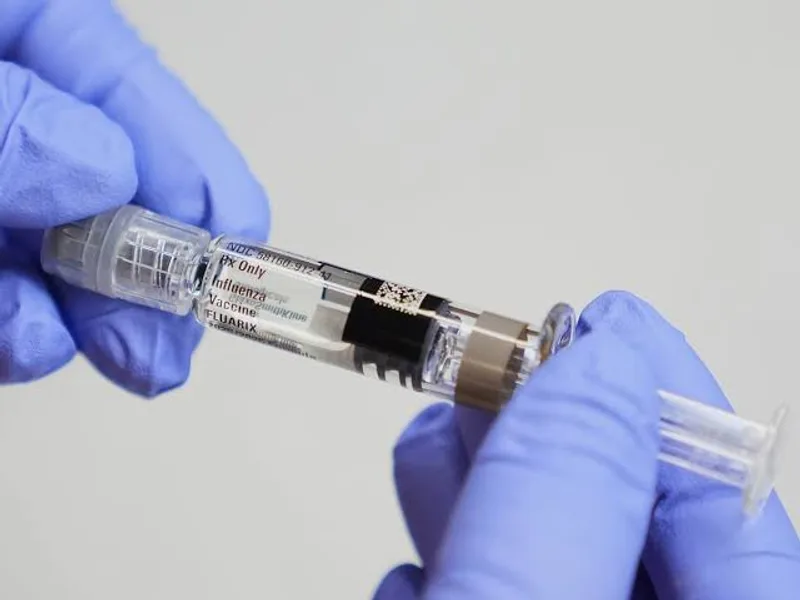
An Unexpected Stumbling Block for mRNA Flu Shots
The regulatory path for new vaccines rarely makes headlines until a final decision arrives. That changed when top regulatory leadership sent a refusal-to-file letter regarding Moderna’s investigational . Instead of evaluating the clinical trial data, the agency declined to review the marketing application altogether.
This procedural rejection came as a surprise to many in public health. Moderna had prepared its submission using a priority review voucher, aiming for an expedited evaluation process. Yet, the agency took the unusual step of halting the submission at the front door.
or anyone tracking preventive healthcare, the development raises important questions about how new immunizations reach the market. Is this a temporary setback in protocol alignment, or does it signal a broader shift in how federal authorities view late-stage trials?
What Triggered the Refusal to File?
The core issue did not center on side effects or trial failures. In fact, official communications explicitly noted that the refusal was not based on safety or efficacy concerns. Instead, regulators pointed to the choice of control groups used in late-stage clinical studies.
Moderna tested its mRNA-1010 candidate against standard-dose, FDA-approved seasonal vaccines. Agency leadership argued that for older demographics, a high-dose vaccine represents the true standard of care. Without comparing the new candidate against high-dose controls in senior groups, the agency deemed the trial design insufficient for full review.
Moderna countered that its protocol aligned with established clinical trials guidelines and prior agency discussions. In clinical practice, this friction between rigid trial comparator standards and real-world delivery is often missed, but it directly dictates which medicines complete the fda approval process.
Standard of Care vs. Approved Comparators
The debate underscores a technical but vital distinction in medical research. Standard-dose shots remain widely used across broad population groups, making them a common benchmark in study protocols. However, senior populations often require high-dose options to mount a robust immune defense.
When evaluating seasonal flu prevention, regulators increasingly expect new products to match or exceed the most potent option available for high-risk demographics. For vaccine developers, shifting expectations midway through development can add years and millions of dollars to the timeline.
What This Means for mRNA Vaccine Innovation
Messy regulatory disputes can easily make patient trust wobble. mRNA technology demonstrated rapid adaptability during recent global health crises, prompting researchers to apply the platform to respiratory infections like influenza and RSV.
Proponents argue that platform-based vaccines allow faster updates to matching seasonal strains. Critics, however, urge caution, demanding rigorous evidence that newer formulations outperform established alternatives before granting a license.
To see how standard and next-generation approaches compare, consider these core differences:
Feature | Traditional Flu Vaccines | mRNA Flu Vaccine Candidates |
Manufacturing Method | Egg- or cell-based cultivation | Synthetic genetic sequence design |
Production Timeline | 6 to 9 months | Several weeks |
Strain Matching | Fixed months in advance | Adaptable closer to flu season |
Regulatory Benchmark | Established historical controls | Evolving comparator expectations |
This disagreement is less about whether mRNA works and more about how new products must prove superiority. While international regulators in other regions continue reviewing similar applications, U.S. patients will have to wait longer for mRNA flu options.
How Patients and Providers Should Navigate Flu Season
So where does that leave patients preparing for the upcoming season? The short answer is that existing, proven protective measures remain fully accessible and highly effective.
Standard flu shots, high-dose formulations for seniors, and egg-free options are widely stocked at clinics and pharmacies every autumn. Missing out on an experimental option does not mean missing out on protection.
If you are managing chronic health conditions or caring for older family members, maintaining an up-to-date immunization schedule remains one of the simplest ways to avoid severe complications. Consulting a trusted general physician can help clarify which formulation fits your age group and health profile best.
For families scheduling routine visits, combining flu protection with comprehensive health checkup packages ensures overall wellness isn't overlooked during virus season. Parents should also review guidance for children with a dedicated specialist in paediatric care.
When seasonal viruses spread, early recognition of symptoms like high temperature and body aches is essential for proper viral fever treatment. Those experiencing lingering coughs or breathing difficulties may benefit from a specialized pulmonology consultation.
Accurate diagnosis often relies on timely diagnostic lab tests to distinguish between influenza, COVID-19, and other circulating bugs. Today, accessing medical advice is simpler than ever through flexible telemedicine services and digital tools.
Clinics and families can track vaccination histories seamlessly using a reliable vaccine manager tool. This is particularly valuable for individuals requiring ongoing chronic disease management or specialized elderly care services.
Ultimately, protecting your family comes down to supporting overall immune system health through proven, sensible habits. When you are ready to review your options, you can easily book appointment with a local healthcare provider.
For adults over 65, discussing senior health care needs with a doctor ensures you receive appropriate guidance on high dose flu shots. Understanding rigorous vaccine safety standards helps build confidence in approved immunizations. If you have specific medical concerns, schedule an online doctor consultation to discuss your personal risk factors. Exploring options for flu vaccines early ensures you remain protected ahead of peak viral activity.