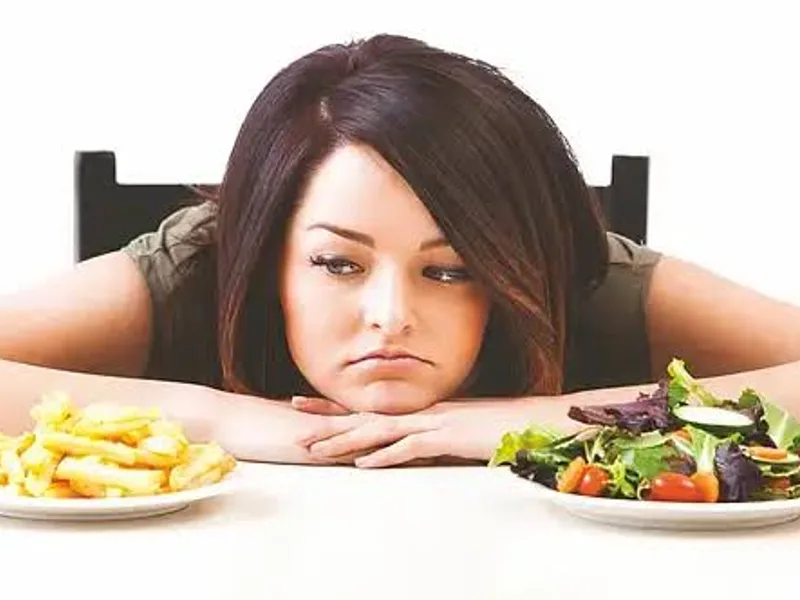
Foods to Avoid With Depression: What the Research Shows
Diets high in ultra-processed foods, added sugar, and alcohol are consistently linked to a higher risk of depression and worse depressive symptoms, according to large observational studies. No single food causes depression, and no food alone treats it — but what you eat regularly appears to influence mood, inflammation, and brain chemistry in measurable ways.
That distinction matters. Depression is a complex condition shaped by genetics, life circumstances, and brain chemistry, and food is only one contributing factor among many. Still, for people managing depression, understanding which foods tend to work against mood stability can be a useful, low-risk piece of the puzzle.
Ultra-Processed Foods Top the List
The strongest recent evidence points to ultra-processed foods (UPFs) — items like packaged snacks, frozen ready meals, sugary cereals, sodas, and fast food, which are engineered for shelf life and palatability rather than nutrition.
A Harvard-led analysis of more than 31,000 women in the long-running Nurses' Health Study II, published in JAMA Network Open, found that women who ate nine or more servings of ultra-processed food a day had roughly a 50% higher risk of developing depression than those who ate four servings or fewer. The association was strongest for foods and drinks with artificial sweeteners.
Researchers aren't fully sure why the link exists. One theory involves purinergic signaling — a brain communication pathway that artificial sweeteners may disrupt in ways connected to depression. Ultra-processed foods are also low in fiber and micronutrients while being high in additives, which may drive chronic inflammation, a process increasingly tied to depressive symptoms.
It's worth noting these studies are observational. They show an association, not proof that UPFs directly cause depression. Reverse causality is possible too: people experiencing early depression symptoms may reach for convenient, high-sugar comfort foods, which could partly explain the pattern rather than the foods being the sole driver.
Added Sugar and Refined Carbohydrates
Diets high in added sugar and refined white flour — think white bread, pastries, and sugary snacks — have been linked to elevated depression risk in multiple studies. These foods spike blood sugar quickly, followed by a crash that can affect energy and mood stability. Refined carbohydrates also tend to displace fiber-rich, nutrient-dense foods from the diet, which may compound the effect over time.
Alcohol
Alcohol is a central nervous system depressant. Even though a drink can feel relaxing in the moment, regular or heavy drinking is associated with worsened depressive symptoms and can interfere with sleep quality, a key factor in mood regulation. For people already managing depression, alcohol can also reduce the effectiveness of some antidepressant medications.
Artificial Sweeteners and Diet Sodas
Within the ultra-processed food category, artificial sweeteners showed a particularly strong association with depression risk in the Nurses' Health Study II data. Diet sodas and "sugar-free" packaged snacks often rely on these sweeteners, which is one reason experts recommend checking ingredient labels rather than assuming "diet" or "zero-sugar" labeling means a food is a better choice for mental health.
Excess Caffeine
Caffeine itself isn't consistently linked to depression, and moderate intake may even be protective for some people. But high intake — especially from energy drinks or multiple sugary caffeinated beverages — can disrupt sleep and increase anxiety, both of which can aggravate depressive symptoms indirectly.
What to Eat Instead
Nutritional psychiatry research, including the SMILES trial published in BMC Medicine, has shown that shifting toward a whole-food, Mediterranean-style diet can meaningfully reduce depressive symptoms in some people when combined with standard care. Patterns worth building a diet around include:
Fatty fish (salmon, mackerel, sardines) for omega-3 fatty acids
Leafy greens (spinach, kale) for folate, linked to mood regulation
Berries and other whole fruit for antioxidants and fiber
Nuts and seeds for healthy fats and micronutrients
Whole grains in place of refined ones, to avoid blood sugar spikes
Fermented foods (yogurt, kimchi) that may support the gut-brain axis, an area of active research into how gut bacteria influence mood
The Takeaway
Diet is not a replacement for depression treatment, but the evidence for a real connection between what we eat and how we feel has become harder to ignore. Cutting back on ultra-processed foods, added sugar, and alcohol — while building meals around whole, minimally processed foods — is a low-risk change that may support mood alongside therapy, medication, or other care. Anyone experiencing symptoms of depression should talk to a doctor or mental health professional about a full treatment plan; diet works best as a complement to care, not a substitute for it.
FAQ
Can diet alone cure depression?
No. Diet may influence mood and symptom severity, but depression is a complex condition that typically requires professional evaluation and treatment, which can include therapy, medication, or both. Diet changes work best alongside, not instead of, professional care.
Are artificial sweeteners bad for mental health?
Research has found an association between high intake of artificially sweetened foods and drinks and increased depression risk in observational studies. The exact mechanism isn't confirmed, but it's a reasonable reason to moderate intake.
Does sugar make depression worse?
Diets high in added sugar and refined carbohydrates have been linked to higher depression risk in multiple studies, possibly through blood sugar swings and inflammation, though more research is needed to confirm cause and effect.
Is alcohol safe to drink while managing depression?
Alcohol is a depressant that can worsen depressive symptoms, disrupt sleep, and interact with some antidepressant medications. Anyone managing depression should discuss alcohol use with their doctor.
What's the single best dietary change for mood?
There's no single fix, but reducing ultra-processed food intake and shifting toward a whole-food, Mediterranean-style pattern has the strongest research support for supporting mood alongside standard depression treatment.foods to avoid with depression