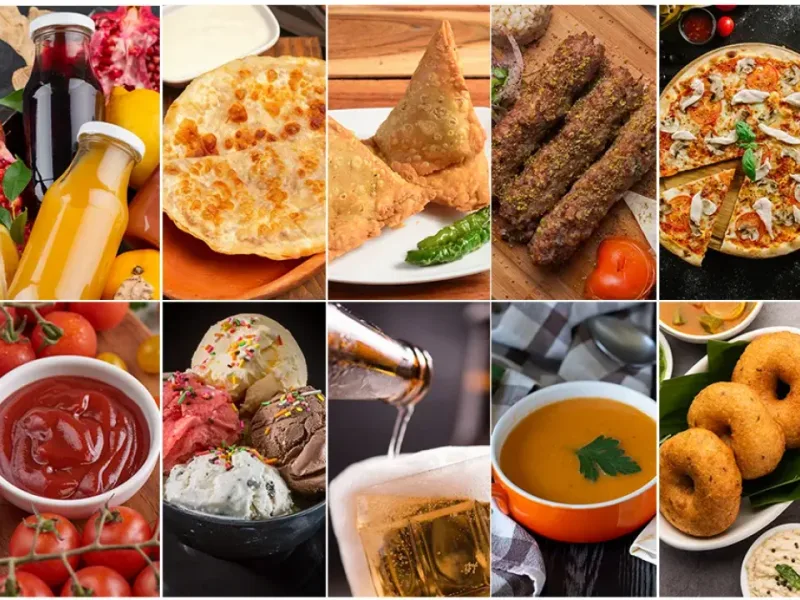
Foods to avoid with diabetes, in short
The foods most worth limiting with diabetes are sugar-sweetened drinks, refined carbohydrates like white bread and pastries, foods high in saturated or trans fat, and excess alcohol — all because they raise blood sugar quickly or increase heart disease risk, which is already elevated in people with diabetes. Almost nothing is completely off-limits; portion size and how often a food is eaten usually matter more than avoiding it entirely.
[REVIEWER: add clinical insight here — e.g., how you counsel patients who assume diabetes means giving up entire food groups]
Why "avoid" is the wrong frame for most foods
A common misconception is that diabetes means cutting out entire categories of food — carbs, sugar, fruit. Mayo Clinic's guidance on diabetes and diet pushes back on this directly: the total amount of carbohydrate in a food affects blood sugar more than whether that carbohydrate comes from a starch or a naturally sweet source like fruit. A small apple and a slice of white bread with similar carbohydrate counts can have a similar effect on blood sugar, even though one "sounds" healthier.
That reframes the real question. It's not "which foods must I avoid," but "which foods make it harder to manage blood sugar and heart health when eaten often or in large amounts." A handful of categories come up consistently across major health organizations' guidance.
Sugar-sweetened drinks
Sugary drinks — regular soda, sweetened iced tea, many fruit juices, and energy drinks — are near the top of every major list of foods to limit with diabetes. They deliver a large dose of fast-absorbing sugar with no fiber to slow it down, which tends to spike blood sugar sharply. The American Diabetes Association recommends water or other zero-calorie drinks as the default, and Mayo Clinic's meal-planning guidance specifically calls out swapping sugary drinks for water as one of the most effective single changes.
Refined carbohydrates and added sugars
White bread, white pasta, pastries, and many packaged snack foods are made from refined grains that have had most of their fiber removed. Without that fiber, these foods are digested and absorbed quickly, causing faster blood sugar spikes than whole-grain versions of the same food. Mayo Clinic advises choosing whole-wheat or whole-grain versions of bread, pasta, and rice specifically because the added fiber slows digestion.
Added sugar shows up in less obvious places too — flavored yogurts, sauces, granola bars, and some cereals often carry more added sugar than their branding suggests, so checking a nutrition label matters more than judging a food by its health-food reputation.
Diabetes roughly doubles the risk of heart disease compared to people without it, which is why fat quality gets particular attention in diabetes nutrition guidance. The ADA recommends keeping saturated fat under about 10% of daily calories and recommends people limit red and processed meats — bacon, sausage, hot dogs — because they tend to be high in both saturated fat and sodium.
Trans fats, found in some processed snacks, baked goods, and stick margarines, are generally recommended against entirely rather than just limited, since they raise "bad" LDL cholesterol without offering any nutritional benefit. Swapping butter or shortening for olive, canola, or avocado oil is a commonly recommended substitution.
[REVIEWER: add clinical insight here — e.g., how you talk to patients about balancing heart-healthy fat guidance with cultural or family food traditions]
Alcohol
Alcohol affects blood sugar unpredictably — it can cause spikes for some people and dangerous drops for others, particularly for anyone taking insulin or certain other diabetes medications, since alcohol can interfere with how those medications work. General guidance suggests moderation if a doctor has cleared alcohol at all: no more than one drink a day for women and two for men, per commonly cited limits, though anyone with diabetes should confirm their own safe limit with their care provider given individual medication and health factors.
High-sodium processed foods
Sodium isn't a blood-sugar issue directly, but it compounds the cardiovascular risk that comes with diabetes. Canned soups, frozen meals, and many restaurant dishes are common high-sodium culprits. Comparing nutrition labels and choosing lower-sodium versions of everyday staples is a practical way to cut back without eliminating convenient foods entirely.
What this doesn't mean: fruit isn't the enemy
Fruit gets unfairly grouped with "sugar to avoid" more than almost any other food category. Mayo Clinic is explicit that fruit doesn't need to be avoided because of its natural sugar content — what matters is the total carbohydrate in a serving, the same as with any other food. Pairing fruit with a source of protein or fat, like a handful of nuts, can also help slow the blood sugar response.
A practical takeaway
Instead of memorizing a list of forbidden foods, build the habit of checking two things before eating something regularly: how much sugar or refined carbohydrate is in a serving, and how much saturated or trans fat it carries. If both numbers are high and it's a food you'd eat often — not just once at a birthday party — that's the signal to look for a swap, not a reason for guilt over the occasional treat.