Full-Fat Dairy Health Study Findings Are Complicating Old Advice
For years, the advice was simple: skip the whole milk, buy the skim. Full-fat dairy was saturated fat, and saturated fat raised cholesterol, and cholesterol clogged arteries. Case closed, more or less.
It isn't closed anymore. A run of studies over the past two years, including a widely discussed 2026 University of Toronto trial, has muddied a picture that used to feel settled. That doesn't mean full-fat dairy is suddenly a health food. It means the science is more complicated than the old poster in your doctor's waiting room suggested.
What the New Research Actually Found
The Toronto study followed adults over 12 weeks, comparing a group eating three daily servings of full-fat dairy against a group eating less. The result: no meaningful difference in body weight, body fat, or cholesterol between the groups. That's a fairly short trial, and short trials can't tell you much about risk twenty years down the line, but it lines up with other work.
A separate analysis out of the University of Minnesota School of Public Health tracked people from their 20s onward and found something almost the opposite of what old guidelines would predict: those who ate the most full-fat dairy in early adulthood were less likely to show early signs of heart disease two decades later. The researchers were careful not to oversell this. Correlation isn't causation, and what people eat instead of dairy matters just as much as the dairy itself.
Mayo Clinic's review of the broader evidence base makes a similar point. Despite being one of the largest dietary sources of saturated fat, full-fat dairy consumption in several large cohort studies wasn't associated with a higher risk of heart disease or stroke. A French cohort study, cited in that same review, found the same pattern.
Why Saturated Fat From Dairy Might Behave Differently
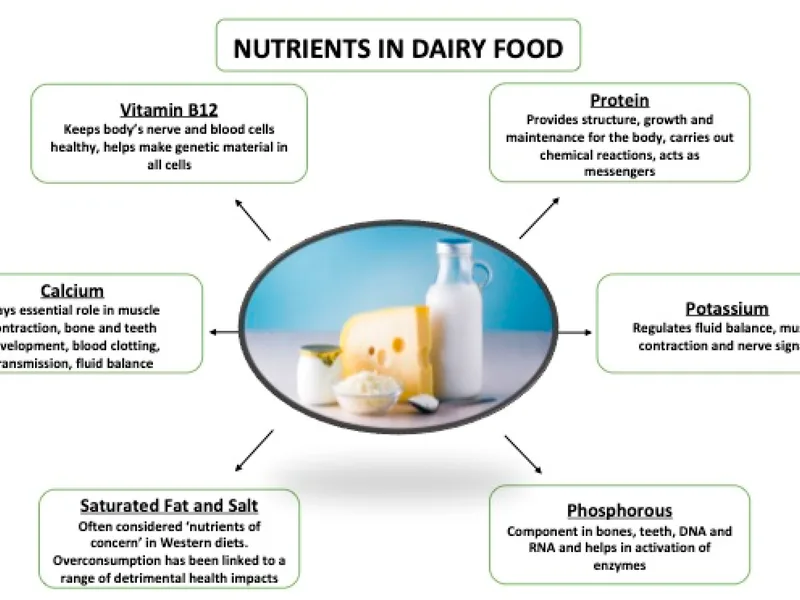
Here's where it gets genuinely interesting, and also where researchers are the most cautious. Scientists have proposed something called the "dairy matrix hypothesis." The idea is that fat in milk, cheese, or yogurt doesn't act alone in the body. It's packaged together with protein, calcium, and other nutrients in a structure that may change how it's digested and absorbed, compared to, say, the same amount of saturated fat from processed meat.
This is a hypothesis, not a settled fact. Researchers who study this, including experts convened at a 2024 international dairy fat workshop, have said plainly that more work is needed to understand why whole-fat dairy seems to behave differently from other saturated fat sources. If a source tells you this question is fully answered, that source is getting ahead of the actual science.
Where This Fits With Diabetes and Weight Management
Full-fat dairy isn't a blanket recommendation for every condition. For people managing blood sugar, the picture from Indian-focused nutrition guidance leans toward yogurt in moderate, plain forms rather than sweetened or heavily processed versions, a point covered in Doctar's guide to yogurt and diabetes. Cottage cheese and plain Greek yogurt, full-fat or not, come up often in blood sugar-friendly snack lists for exactly this reason: the protein slows digestion and helps keep glucose steadier.
If weight loss is the goal, don't expect dairy fat alone to move the needle much either way. Doctar's piece on whether vitamins and calcium actually help you lose weight is a useful reality check here: most trials haven't found a strong direct link between calcium intake and meaningful weight change, full-fat or not.
Who Should Still Be Cautious
In clinical practice, this is often missed because patients hear "full-fat dairy is fine now" as a blanket green light, when the research is really saying something narrower: for the general population, full-fat dairy hasn't been shown to be worse than low-fat dairy for heart risk. That is not the same as saying it's safe at any amount for everyone.
People who already have high LDL cholesterol, existing coronary artery disease, or a strong family history of early heart disease should still get individual guidance rather than applying population-level findings to themselves. A cardiologist can look at your actual lipid panel and tell you whether dairy fat is a meaningful factor in your case or a rounding error next to bigger issues like smoking, blood pressure, or inactivity. General heart-healthy eating patterns, including the role of fish and other unsaturated fats, are laid out in Doctar's heart-healthy fish guide as useful context alongside dairy choices.
People with diabetes should loop in an endocrinologist before making major dairy fat changes, since blood sugar response varies person to person. Anyone with elevated cholesterol already flagged on bloodwork should ask a general physician whether repeat testing after a dietary change makes sense.
A Realistic Way to Think About It
Nobody needs to swap oat milk lattes for full cream out of guilt, and nobody needs to fear a bowl of full-fat yogurt either. The honest summary is less dramatic than either extreme: current evidence doesn't support treating full-fat dairy as uniquely dangerous, but it also doesn't hand out a free pass to eat unlimited cheese and butter without watching your overall diet quality. What replaces the dairy calories, or doesn't, still matters more than the fat percentage on the label.