GLP-1 Drugs May Quiet Alcohol Cravings Too
Something unexpected kept showing up in early GLP-1 drug trials. Patients taking semaglutide or liraglutide for diabetes or weight loss were coming back to their doctors saying they had stopped drinking — not because anyone told them to, but because the urge had simply faded. That kind of anecdotal pattern tends to get brushed aside. This time, researchers paid attention.
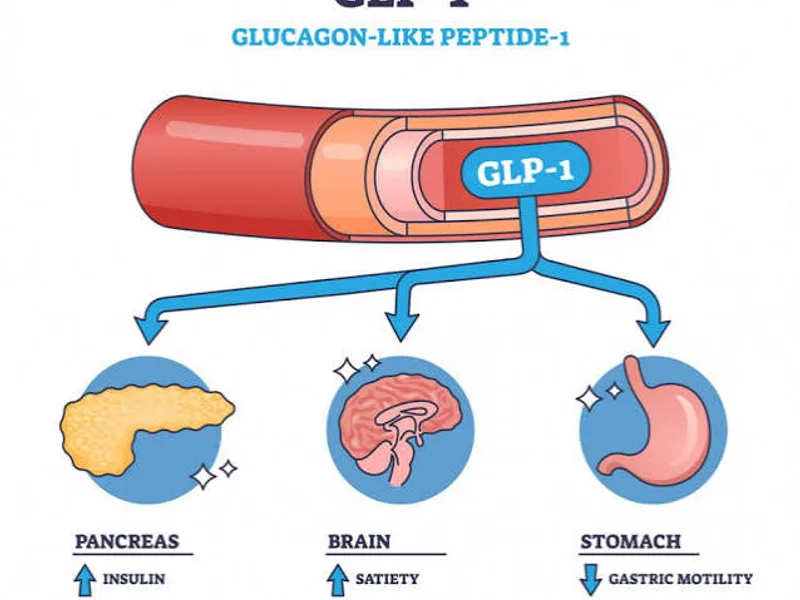
GLP-1 stands for glucagon-like peptide-1, a hormone your gut naturally releases after eating. Drugs that mimic this hormone — semaglutide (sold as Ozempic and Wegovy), tirzepatide, liraglutide — were designed to regulate blood sugar and slow digestion. Their effect on alcohol consumption was not part of the original plan. But the science emerging from animal studies and early human data is hard to ignore. If you want to understand where this is headed, it helps to first understand what GLP-1 receptors actually do in the brain.
What GLP-1 Receptors Have to Do With the Brain's Reward System
Most people think of GLP-1 drugs as gut medications. That's only half the story. GLP-1 receptors — the proteins these drugs bind to — are found throughout the brain, including in regions that control reward, pleasure, and habit. Specifically, they appear in the ventral tegmental area and nucleus accumbens, the core of the brain's dopamine reward circuit. Dopamine is the chemical behind motivation, craving, and the "want" that drives addictive behaviour.
When someone drinks alcohol, the brain releases dopamine. That surge is part of why drinking feels rewarding — and why stopping can be so hard. What researchers are exploring now is whether GLP-1 activation in these brain areas can dampen that dopamine response. If it does, the reward from alcohol becomes blunted, and the craving weakens.
In animal studies, this is exactly what happened. Rodents given GLP-1 receptor agonists (the scientific term for these drugs) consumed significantly less alcohol when given a choice. They were less motivated to seek it out. The results were consistent enough across multiple research teams that scientists began looking at human data with genuine interest. You can explore more about brain-related conditions through neurology specialists on Doctar.
What the Human Evidence Actually Shows
The honest answer is: promising, but not yet conclusive. No large, randomised controlled trial has been completed specifically testing GLP-1 drugs as an alcohol-use treatment in humans. What exists is a growing pile of observational data, case reports, and one or two smaller clinical studies.
A retrospective study published in 2023 looked at medical records of patients prescribed semaglutide and found that those with alcohol use disorder had lower rates of alcohol-related hospital visits compared to patients on other medications. A separate case series documented multiple patients voluntarily reducing alcohol consumption after starting GLP-1 therapy, without being prompted to do so.
In clinical practice, this pattern is often missed because patients don't always volunteer information about drinking unless specifically asked. Many doctors are now beginning to screen for this — and when they do, the reports of reduced cravings are striking. Whether this effect is strong enough to stand up in a rigorous trial is what researchers are actively working to find out. Several trials are currently registered and underway as of 2026, though results are not yet published.
If you or someone you know is managing alcohol-related concerns alongside other health conditions, speaking to a general physician through Doctar is a reasonable first step before making any changes.
Why This Is Not a Green Light to Self-Medicate
Here is where some of the online conversation around this topic goes wrong. GLP-1 drugs are prescription medications with a specific approved purpose. Taking semaglutide to curb drinking — without medical supervision, or without a qualifying diagnosis — is not advisable, and in most countries, it would be off-label use.
These medications come with real side effects: nausea, vomiting, delayed gastric emptying, pancreatitis risk in susceptible individuals, and thyroid concerns in people with a personal or family history of medullary thyroid carcinoma. The risk profile is manageable under medical supervision. Without it, you're guessing.
There's also a deeper issue. Alcohol use disorder is a complex condition with psychological, social, and neurological components. Even if a GLP-1 drug meaningfully reduces cravings, it is unlikely to address the underlying reasons someone drinks. A psychiatrist or mental health specialist familiar with addiction medicine would typically be involved in a proper treatment plan — not just a medication.
If weight management or metabolic health is also a concern for you, a dietitian consultation through Doctar can help you address nutritional aspects without relying solely on medication.
Who Might Benefit Most — and What Researchers Are Watching
The group most likely to see meaningful benefit, according to current thinking, is people who have both a metabolic condition (obesity or type 2 diabetes) and problematic alcohol use. This overlap is more common than most people realise. Alcohol is calorie-dense, disrupts insulin sensitivity, and worsens fatty liver disease — conditions that GLP-1 drugs are already being used to treat.
For someone already prescribed semaglutide for metabolic reasons, noticing that alcohol cravings have decreased is worth reporting to their doctor — not treating as a bonus side effect to keep quiet about. That information contributes to the research picture. It might also open a conversation about adjusting a broader treatment plan.
Researchers are also watching whether different GLP-1 drugs have different potency when it comes to cravings. Semaglutide, liraglutide, and tirzepatide (which also acts on GIP receptors) may not all work the same way on the reward system. This is an open and active area of investigation.
For patients with diabetes who may be managing multiple conditions simultaneously, finding a specialist endocrinologist on Doctar is important for integrated care.
GLP-1 Drugs and Liver Health: An Overlooked Connection
Heavy alcohol use damages the liver. GLP-1 drugs, interestingly, are being studied for their effect on non-alcoholic fatty liver disease (now rebranded as metabolic-associated steatotic liver disease, or MASLD). If a drug can both reduce alcohol consumption and directly protect liver tissue, the combined benefit in high-risk patients could be meaningful.
This is not settled science yet. But it's one reason gastroenterologists and hepatologists (liver specialists) are paying close attention to the GLP-1 conversation. If you have concerns about liver health related to alcohol, consulting a gastroenterologist through Doctar is a sensible next step — especially if you've been drinking heavily for a prolonged period.
The Bigger Picture: Addiction Medicine Is Paying Attention
The field of addiction medicine has long struggled with limited pharmacological options. Naltrexone is effective for some people with alcohol use disorder but not widely prescribed. Disulfiram (Antabuse) works through aversion rather than craving reduction. Acamprosate is available but underused. For a large proportion of people with alcohol problems, current medications either don't work or aren't being offered.
GLP-1 drugs represent a genuinely different mechanism. If the clinical evidence holds, they could become a useful tool — particularly for the large population of people with co-occurring metabolic and substance-related conditions. That's not a small group. It's a substantial part of the population that tends to have poorer overall health outcomes.
Whether this becomes a mainstream treatment option depends on the trial results coming in over the next few years. For now, it remains an area to watch — and a reason to have an honest conversation with your doctor if it's relevant to you. You can search for doctors near you on Doctar to find the right specialist for your needs.
Can GLP-1 Drugs Replace Alcohol Addiction Treatment?
No — at least not based on what is currently known. Treatment for alcohol use disorder typically involves a combination of behavioural therapy, support systems, and in some cases medication. GLP-1 drugs, if approved for this use, would likely be one component of a broader plan — not a standalone cure. Anyone looking for help with alcohol use should start with a medical consultation rather than sourcing medication independently.
For individuals dealing with mental health and addiction together, mental health specialists on Doctar can provide a comprehensive treatment approach.
What About GLP-1 Drugs and Other Addictions?
Researchers are asking the same question about nicotine, opioids, and even gambling behaviour. The reward circuit affected by GLP-1 drugs is not specific to alcohol. Some early animal studies suggest a broader anti-craving effect. Human data is even more preliminary here than it is for alcohol, so drawing conclusions would be premature. But it does suggest that the mechanism researchers are studying is a general one, not alcohol-specific.
Practical Takeaway
If you are already on a GLP-1 drug and have noticed changes in your drinking, tell your doctor. If you're wondering whether a GLP-1 drug might help manage alcohol cravings and you have a qualifying metabolic condition, raise it explicitly — don't wait for it to come up on its own. And if your main concern is alcohol use and you don't have diabetes or obesity, the evidence does not yet support seeking these drugs purely for that purpose. Work with a qualified clinician who can weigh the full picture.
The science here is moving fast. That's worth being excited about. But fast-moving science also means incomplete science — and incomplete science is not the same as green-light permission.