GLP-1 Drugs and Exercise
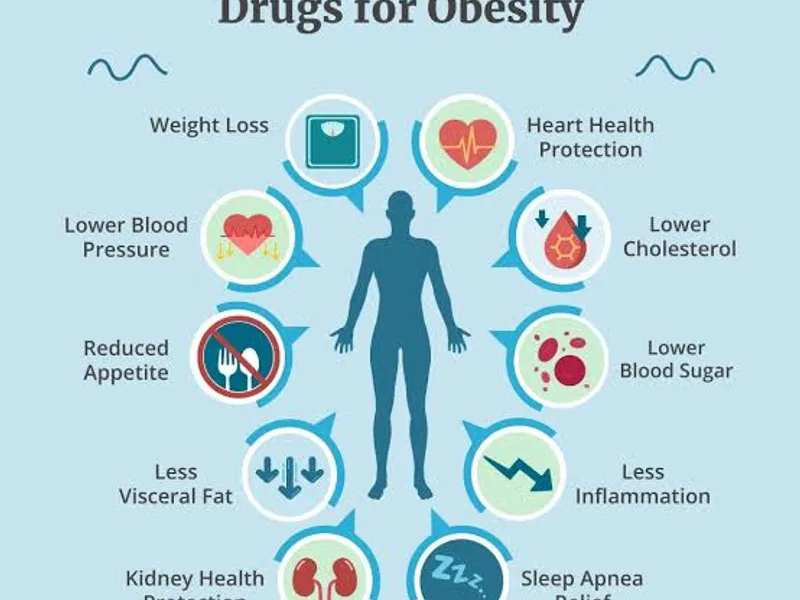
GLP-1 medications changed the conversation around weight loss almost overnight. Drugs like semaglutide and tirzepatide, originally built for type 2 diabetes, now sit at the center of obesity treatment worldwide. But there's a detail that often gets lost in the excitement: how someone uses their body while on these drugs matters almost as much as the drug itself.
In clinical practice, this is often missed because the weight-loss numbers alone look so good on paper that exercise feels optional. It isn't.
What GLP-1 Drugs Actually Do
GLP-1 stands for glucagon-like peptide-1, a hormone your gut releases naturally after eating. It slows down digestion, curbs appetite, and helps regulate blood sugar. Medications in this class mimic that hormone, which is why people on them eat less and feel fuller for longer.
That's the mechanism. It's a genuinely useful one, and for many people managing diabetes or obesity, it's been life-changing. But appetite suppression alone doesn't tell your body what tissue to lose. Left unchecked, the body will burn muscle right alongside fat.
The Muscle Loss Problem
This is the part that doesn't get enough attention. Studies on GLP-1 medications have found that a notable share of total weight lost, sometimes as much as a quarter to a third depending on the trial, comes from lean muscle mass rather than fat. Exact figures vary between studies, so treat any single number with some caution. But the pattern itself is consistent enough that it shows up across multiple trials.
Why does that matter? Muscle isn't just about strength. It drives your resting metabolism, protects your joints, and keeps blood sugar in check. Lose too much of it, and you can end up lighter on the scale but weaker, more fatigue-prone, and more likely to regain fat later. Ask yourself this: what's the actual goal here, a lower number on the scale, or a body that functions better long-term? For most people, it's the second one.
Anyone starting one of these medications should think about getting a baseline check with a general physician or an endocrinologist, especially if diabetes or thyroid issues are part of the picture. A short diagnostic panel before starting can also flag anything that needs monitoring along the way.
Where Exercise Fits In
Resistance training is the piece that makes the biggest difference here. Lifting weights, using resistance bands, or doing bodyweight strength work signals to the body that muscle is still needed, even in a calorie deficit. Two to three sessions a week is a reasonable starting point for most adults, though this should be adjusted based on age, fitness level, and any existing conditions.
Cardio still has a role. Walking, cycling, or swimming supports heart health and helps with the fatigue some people report early on with GLP-1 drugs. A cardiologist consult is worth considering for anyone with existing heart risk factors before ramping up intensity.
The honest answer is that nobody needs to become a gym regular overnight. Starting with short walks and light resistance work, then building gradually, tends to work better than an aggressive routine that burns out in three weeks.
Nutrition Can't Be an Afterthought
Because appetite drops so sharply on these medications, protein intake often drops too, simply because people are eating less overall. That's a problem if muscle preservation is the goal. Protein-rich meals, even in smaller portions, help offset this. A dietitian consultation is genuinely useful here, more useful than most people expect, because getting enough protein while eating less food takes some actual planning.
Hydration and fiber also tend to slip through the cracks when appetite is suppressed, and both affect how well the digestive slowdown from GLP-1 drugs feels day to day.
Common Mistakes Worth Avoiding
People tend to either overdo the gym in week one and quit, or skip exercise entirely and rely on the medication alone. Neither works well long-term. Fatigue and nausea are common in the first few weeks, so easing in matters more than pushing hard.
It's also worth checking in with a physiotherapist if joint pain or old injuries make certain movements uncomfortable. Modifying exercise rather than avoiding it altogether usually gets better results.
For people managing this alongside other health conditions, coordinating between a home visit doctor, a nurse for routine checks, or a hospital-based specialist can keep things from falling through the cracks, particularly for older adults or anyone managing multiple prescriptions.
Should You Talk to a Doctor Before Starting?
Yes, and not just once. GLP-1 medications require some ongoing monitoring, especially in the first few months. This isn't something to self-manage off a friend's recommendation or a social media trend. Booking time with a doctor near you or an appropriate specialist before starting, and periodically after, gives you a much better shot at getting the muscle-sparing, sustainable version of weight loss rather than just a smaller number on the scale.
If you want more background on related conditions, Doctar's health blog covers diabetes management and weight-related topics in more depth.