GLP-1 Patches: A Revolutionary Approach to Type 2 Diabetes Management in India
Meena, 45, a homemaker from Jaipur, observed her glucose readings rising despite consistent medication and dietary changes. The daily injections, while effective, were becoming a source of apprehension and discomfort.
She frequently pondered if a less intrusive method existed for managing her Type 2 diabetes, particularly with the approaching monsoon season potentially disrupting outdoor activities and regular routines. Like many individuals in India, Meena’s life involves a careful equilibrium of family duties, household tasks, and maintaining her health.
The landscape of diabetes treatment in India is undergoing rapid evolution. For years, controlling glucose levels has primarily involved oral medications and injectable insulin or other therapeutic agents.
However, a new frontier is emerging with the introduction of GLP-1 receptor agonists, and now, their administration is becoming even more user-friendly. Introducing GLP-1 patches – a transdermal system offering a potentially simpler, more consistent method for administering these potent medications.
This is where most patients struggle.
Worth knowing: The prevalence of diabetes in India is striking. Over 101 million Indians have diabetes, a figure anticipated to increase substantially in the coming years (ICMR, 2023). This widespread condition places an immense strain on individuals, families, and the healthcare infrastructure. Consequently, innovative therapeutic approaches that enhance patient compliance and outcomes are critically needed.
What Exactly Are GLP-1 Patches?
GLP-1 receptor agonists (GLP-1 RAs) constitute a group of medications that replicate the function of a natural hormone known as glucagon-like peptide-1. This hormone plays a vital role in regulating blood glucose.
GLP-1 RAs have demonstrated remarkable effectiveness in improving glycemic control, facilitating weight reduction, and providing cardiovascular advantages. Traditionally, these medications have been administered through daily or weekly injections.
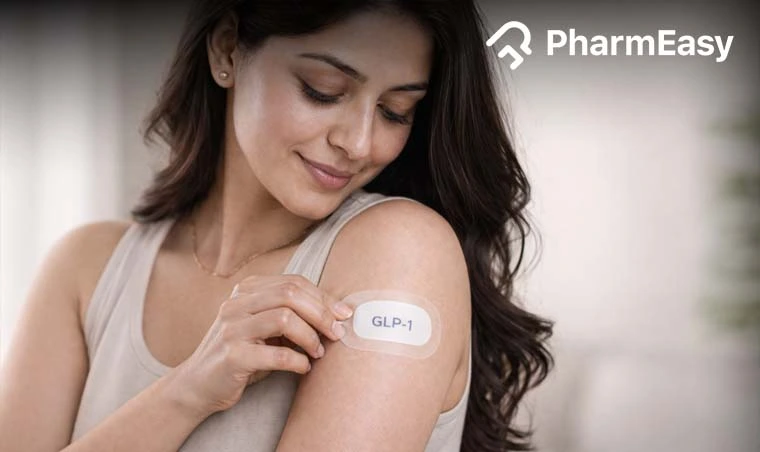
GLP-1 patches, in contrast, represent a significant advancement in drug administration. Instead of an injection, these are small, unobtrusive patches affixed to the skin.
They are engineered to release the GLP-1 RA medication gradually and continuously over a defined duration, typically 24 hours or even up to a week, contingent on the specific formulation. This transdermal administration system aims to entirely circumvent the need for needles, presenting a non-invasive option for people.
Consider it this way: Envision applying a small, comfortable sticker once a day or week that steadily dispenses your medication, eliminating the prick and potential discomfort associated with a needle. This ease of use could be transformative, especially for individuals who experience needle phobia or find the routine of injections burdensome.
It sounds simple. It rarely is.
The technology underpinning these patches involves sophisticated materials designed to ensure stable drug composition and controlled release through the skin barrier.
How Do GLP-1 Patches Work?
The method of action for GLP-1 patches is identical to their injectable counterparts, as they dispense the same class of drugs. Once applied to the skin, the patch facilitates the absorption of the GLP-1 RA into the bloodstream.
The medication then circulates throughout the body, interacting with GLP-1 receptors in various tissues, predominantly in the pancreas, brain, and digestive system.
Here’s a breakdown of their key functions:
- Stimulate Insulin Release: GLP-1 RAs enhance the pancreas's capacity to release insulin in response to elevated blood glucose levels. This is a glucose-dependent process, meaning they primarily act when glucose is high, thereby reducing the risk of hypoglycemia (dangerously low glucose).
- Suppress Glucagon Secretion: Glucagon is a hormone that elevates glucose levels. GLP-1 RAs inhibit the release of glucagon, further contributing to the regulation of blood glucose readings.
- Slow Gastric Emptying: The medication slows the rate at which food leaves the stomach. This promotes a prolonged sensation of fullness, which can assist in appetite regulation and weight management.
- Promote Satiety: By affecting the brain, GLP-1 RAs can decrease hunger and amplify feelings of fullness, contributing to reduced calorie consumption and subsequent loss of body mass.
The transdermal administration system ensures a steady and consistent drug concentration in the body, potentially avoiding the fluctuations that can sometimes occur with injections, leading to more stable glucose regulation. The effectiveness of this administration method is a subject of ongoing inquiry, but initial findings are encouraging.
Effectiveness of GLP-1 Patches
The effectiveness of GLP-1 patches relies on their capacity to reliably deliver the active pharmaceutical ingredient (API) and achieve therapeutic concentrations within the bloodstream. While the clinical data for patches is still developing compared to the well-established injectable forms, investigations are indicating positive outcomes.
The primary objective is to achieve comparable efficacy in glucose reduction and body mass management as observed with injectable GLP-1 RAs.
In many instances, efficacy is directly linked to consistent application and adherence. A study published in *The Lancet Diabetes & Endocrinology* indicated that transdermal delivery systems can provide comparable pharmacokinetic profiles to injectable formulations for certain medications, suggesting a similar therapeutic impact. The absorption rate through the skin can be influenced by factors such as skin hydration, the application site, and individual skin characteristics. Researchers at the All India Institute of Medical Sciences (AIIMS) are actively exploring optimal patch formulations for the Indian population, considering variations in skin types and environmental conditions like humidity.
The International Diabetes Federation (IDF) projects that by 2030, India could have over 134 million individuals living with diabetes. So what does that mean for you?
It signifies that solutions enhancing adherence and patient quality of life are paramount. If GLP-1 patches can offer comparable clinical benefits with improved convenience, they could significantly influence diabetes management strategies nationwide.
That's the part worth remembering.
For individuals managing body mass alongside diabetes, the effects of GLP-1 RAs delivered via patches on reducing body mass are particularly noteworthy. Clinical trials have demonstrated substantial decreases in body mass, often exceeding 5-10% of initial body mass, which is critical for enhancing insulin sensitivity and overall metabolic well-being.
This is especially relevant in India, where rising obesity rates frequently accompany the diabetes epidemic.
Potential Benefits
The advantages of utilizing GLP-1 patches are numerous:
- Improved Adherence: The primary advantage is the potential for significantly enhanced patient compliance. Eliminating needles can reduce anxiety and render the daily or weekly regimen much more manageable, especially for those with needle phobia or dexterity challenges.
- Convenience: Applying a patch is generally simpler and less disruptive than preparing and administering an injection. This can be particularly helpful for individuals who are constantly on the move or have demanding schedules.
- Consistent Drug Delivery: Transdermal patches are engineered for controlled, sustained release, potentially leading to more stable glucose levels throughout the day or week.
- Reduced danger of Injection Site Reactions: While injections can sometimes cause localized pain, redness, or bruising, patches distribute the medication over a larger skin area, potentially minimizing these localized adverse effects.
- Discreetness: Patches are typically small and can be worn beneath clothing, offering a discreet method for administering medication.
Myths and Misconceptions About GLP-1 Patches
As with any novel medical technology, myths and misconceptions can arise. It is essential to address these to ensure sufferers receive accurate information.
Myth 1: Patches are less impactful than injections.
Honestly, this is a common apprehension, but it's not necessarily accurate. While research is ongoing, the objective of patch technology is to deliver the same active drug at therapeutic levels. Effectiveness is contingent on the specific formulation and the individual’s absorption rate.
Many transdermal systems have proven to be as proven as their injectable counterparts for other medications. The crucial element is consistent and correct application.
Myth 2: GLP-1 patches are solely for weight loss.
But why does this happen? GLP-1 RAs do promote body mass reduction as a marked secondary effect, which is beneficial for many individuals with Type 2 diabetes who are also overweight or obese.
However, their primary indication and established benefit lie in improving glucose regulation. Body mass reduction is a welcome secondary advantage that contributes to better overall metabolic well-being.
Myth 3: Skin irritation is a considerable issue.
While some individuals might experience mild skin irritation at the application site – a prevalent occurrence with any adhesive patch – contemporary patch technology aims to minimize this. Selecting the appropriate application site and rotating sites regularly can help prevent irritation. Advanced adhesives are designed to be gentle on the skin.
The numbers don't lie.
Myth 4: They are prohibitively expensive.
The cost of new medications and administration systems can be a concern. Initially, novel technologies might be more expensive. However, as research advances and more options become available, costs tend to become more competitive.
What's more,, the long-term advantages—such as reduced complications from inadequately controlled diabetes and improved quality of life—can offset initial expenditures. The World Health Organization (WHO) emphasizes the importance of accessible pricing for essential medicines, and the development of patch technology is also viewed through this lens.
Considerations for the Indian Context
When evaluating GLP-1 patches for the Indian population, several distinctive factors come into play. The varied climate, from the intense heat of Rajasthan to the high humidity of Mumbai, can impact skin integrity and adhesive performance.
Cultural practices, such as sitting on the floor for extended periods or engaging in physical activities like yoga, might also influence patch adherence and comfort.
On top of that,, access to and affordability of these advanced treatments remain critical considerations. While innovative, ensuring that these patches reach the vast population in both urban and rural India presents a logistical and economic challenge.
The numbers don't lie.
Educating healthcare providers and sufferers about this new modality is also vital. Physicians at institutions like the Post Graduate Institute of Medical Education and Research (PGIMER) are focusing on patient education programs to ensure proper comprehension and utilization.
The Indian Council of Medical Research (ICMR) consistently underscores the necessity for localized research and development to cater to the specific health requirements of the Indian populace. This includes assessing the performance of GLP-1 patches in real-world scenarios across different Indian states.
The Future of GLP-1 Therapy
GLP-1 receptor agonists have already revolutionized diabetes and obesity management. The emergence of patch technology signifies the next logical progression in enhancing patient experience and adherence.
As research continues and more data becomes accessible, GLP-1 patches could become a fundamental element of therapy for millions, offering a needle-free, convenient, and powerful means to manage these chronic conditions. The potential for broader application, perhaps even in combination therapies or for other metabolic disorders, is also under exploration.
That's the part worth remembering.
The trajectory from discovery to widespread clinical acceptance is often protracted, but the promise of GLP-1 patches is substantial. They offer a tangible solution to improve the daily lives of individuals managing diabetes, empowering them to take charge of their health with greater ease and less burden.
This innovation aligns with the global drive towards patient-centered care models.
Key Takeaways:
- GLP-1 patches deliver GLP-1 receptor agonist medications through the skin, providing a needle-free alternative to injections.
- They function by mimicking natural hormones to elevate glucose regulation, promote satiety, and assist in body mass reduction.
- Potential advantages include enhanced patient compliance, convenience, and consistent drug administration.
- Effectiveness is comparable to injectables, although individual absorption can differ.
- Addressing misconceptions regarding efficacy and adverse effects is essential for widespread acceptance.
Always consult a qualified physician before making any medical decisions.