What Is the Gut Microbiome?
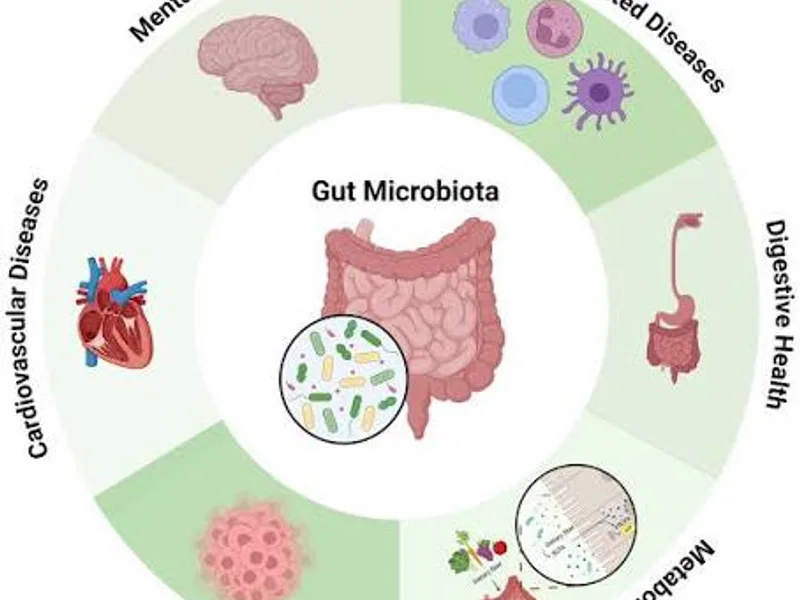
The gut microbiome is the community of bacteria, fungi, viruses and other microorganisms living mainly in the digestive tract. Far from being passive passengers, these microbes interact with food, the intestinal lining and the immune system.
The microbiome also helps break down parts of food that the human digestive system cannot fully digest. When certain types of fibre are fermented by gut bacteria, they produce substances called short-chain fatty acids, which support the health of the colon.
For a useful introduction, see Doctar's guide to [understanding gut health]. understanding gut health
The microbiome is not identical in everyone. Age, diet, medications, illness, environment and other factors can shape it. That is one reason there is no single “perfect” microbiome that everyone should try to achieve.
Why Gut Health Matters
Gut health is about more than whether you have constipation or bloating. The digestive tract is involved in nutrient absorption, immune activity and communication between the gut and brain.
The connection between the digestive system and nervous system is often called the gut-brain axis. It helps explain why stress can affect bowel habits and why digestive symptoms can sometimes become worse during periods of emotional strain.
Doctar also explores this connection in its article on [gut health and mental well-being]. gut health and mental well-being
Clinicians often see one mistake repeatedly: people treat every digestive symptom as evidence of a “damaged gut.” Bloating, loose stools or constipation can have many causes, and the microbiome is only one piece of the picture.
What Foods Support a Healthy Microbiome?
Diet has a major influence on the microbes that live in the intestine. A varied diet containing vegetables, fruits, whole grains, pulses, nuts and seeds generally provides the fibre and plant compounds that many beneficial gut microbes use.
Fibre deserves particular attention. Different fibres support different microbes, so variety may matter more than simply chasing a high number on a nutrition label.
Doctar's [fibremaxxing guide] fibremaxxing guide explains how fibre can support microbial activity and regular bowel movements.
But suddenly adding large amounts of fibre can cause gas or bloating. Increasing fibre gradually and maintaining adequate fluid intake is usually more sensible than making an abrupt dietary change.
For more practical food ideas, see Doctar's [guide to foods that support digestion]. foods that support digestion
Probiotics and Prebiotics Are Not the Same
The words sound similar, but they describe different things.
Probiotics are live microorganisms that provide a health benefit when consumed in adequate amounts. They are found in some fermented foods and supplements.
Prebiotics are substances, usually certain types of fibre, that beneficial microorganisms can use as food.
Traditional foods can provide both nutritional value and, in some cases, live microorganisms. Plain curd, for example, is a familiar fermented food in many Indian households.
Doctar's [probiotic foods guide for Indian readers] probiotic foods guide discusses curd, fermented batters and other foods.
However, a probiotic supplement is not automatically better than food. Different strains can have different effects, and evidence for one condition cannot simply be applied to everyone.
Can You “Reset” Your Gut?
The idea of a quick gut reset is popular online, but the biology is more complicated.
There is no established three-day routine that permanently resets everyone's microbiome. The gut microbial community changes continuously in response to diet, illness, medications and other exposures.
Doctar examines this trend in [Can You Reset Your Gut in 3 Days?]. Can You Reset Your Gut in 3 Days?
A more realistic approach is to build sustainable habits: eat a varied diet, stay active, sleep adequately, avoid unnecessary antibiotics and pay attention to foods that consistently cause symptoms.
What Can Disrupt the Microbiome?
Antibiotics are among the clearest examples. They target harmful bacteria during infections but can also affect beneficial bacteria in the gut.
That does not mean antibiotics should be avoided when medically necessary. It means they should be used for the right infections and under appropriate medical guidance.
Read more about [antibiotics and diarrhea] antibiotics and diarrhea and the digestive effects that can sometimes follow antibiotic treatment.
Other factors can include major dietary changes, gastrointestinal infections, chronic illness and stress. The effects vary considerably from person to person.
Bloating Does Not Always Mean “Bad Bacteria”
Bloating is one of the symptoms most often blamed on the microbiome. Sometimes that connection makes sense. But bloating can also result from swallowed air, constipation, food intolerance, changes in gut movement or other digestive conditions.
Doctar's [guide to common causes of bloating] common causes of bloating explains several possibilities.
Lactose intolerance is another example. It can cause gas, abdominal discomfort and changes in bowel habits in people who have difficulty digesting lactose. See Doctar's article on [lactose intolerance and constipation] lactose intolerance and constipation for more detail.
If bloating is persistent, painful or accompanied by weight loss, vomiting, bleeding or other concerning symptoms, it should not simply be labelled a “microbiome imbalance.”
Constipation and Gut Health
Constipation can be influenced by diet, fluid intake, physical activity, medications and several medical conditions. A fibre-rich diet may help many people, but the right approach depends on the cause.
Regular physical activity can also support bowel regularity. Doctar covers this in its guide to [exercises for constipation relief]. exercises for constipation relief
Blood in the stool, however, should not be dismissed as simple constipation. Doctar's [guide to constipation with blood in the stool] constipation and blood in stool explains why medical evaluation may be necessary.
What About IBS?
Irritable bowel syndrome, or IBS, is a common digestive disorder involving symptoms such as abdominal pain, bloating and changes in bowel habits.
IBS is not simply a case of having “too many bad bacteria.” Researchers are studying changes in the microbiome, gut movement, immune activity and the way the nervous system processes signals from the intestine.
See Doctar's [IBS symptoms and management guide] IBS symptoms and management for a broader explanation.
Dietary triggers can also differ greatly between individuals. Doctar's article on [IBS and bread] IBS and bread discusses fibre, bread choices and FODMAPs.
People with persistent IBS symptoms should speak with a healthcare professional rather than repeatedly removing foods without guidance.
Gut Health and Inflammatory Bowel Disease
Inflammatory bowel diseases such as ulcerative colitis and Crohn's disease involve actual inflammation in the digestive tract. They are different from ordinary digestive discomfort.
Research continues to examine how changes in the microbiome may interact with the immune system in these conditions. But probiotics should not be viewed as a replacement for prescribed treatment.
Doctar discusses [probiotics and ulcerative colitis] probiotics and ulcerative colitis and also explores [IBD and its wider health connections]. IBD and wider health connections
People with Crohn's disease can also face dehydration when diarrhea is persistent. Doctar's [Crohn's disease hydration guide] Crohn's disease hydration guide provides additional information.
Everyday Habits That May Help
There is no magic food that guarantees a healthy microbiome. A few ordinary habits are more useful.
Eat a wide range of plant foods when you tolerate them. Include fermented foods if they suit you. Stay physically active, sleep well and drink enough fluid.
Hydration matters particularly when increasing fibre. Doctar explains the body's handling of water in its [hydration guide]. hydration and digestion
Stress management also deserves a place in the conversation because the gut and nervous system communicate constantly.
If you regularly experience heartburn alongside digestive symptoms, remember that reflux is a separate issue that can require its own assessment. Doctar's [guide to heartburn and acid reflux] heartburn and acid reflux provides further context.
Other related Doctar resources include [what to drink with acid reflux] what to drink with acid reflux, [garlic and acid reflux] garlic and acid reflux and [GERD and dental health] GERD and dental health.
When Should You See a Doctor?
Digestive symptoms deserve medical attention when they persist, become severe or interfere with normal life.
Seek professional evaluation for symptoms such as unexplained weight loss, persistent vomiting, blood or black stools, severe abdominal pain, persistent diarrhea, fever, difficulty swallowing or signs of dehydration.
Doctar's [guide to preventing diarrhea] preventing diarrhea and its [emergency diarrhea warning signs guide] emergency warning signs for diarrhea cover situations where medical care should not be delayed.
Food can also trigger diarrhea in some people. Doctar's guide to [foods that can cause diarrhea] foods that can cause diarrhea explains why individual responses vary.
For people with fatty liver disease, the digestive system and liver are also connected through what researchers call the gut-liver axis. Read more about [fatty liver disease and constipation] fatty liver disease and constipation.