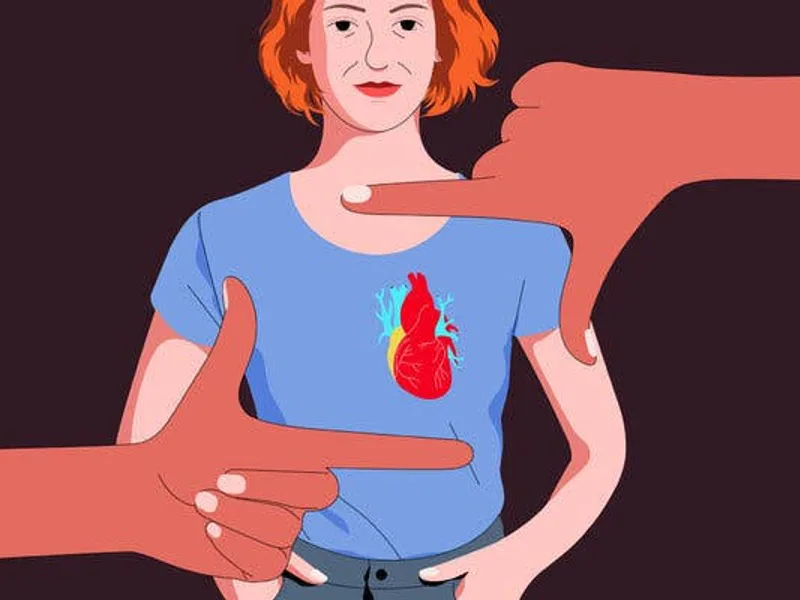
Why Women's Heart Attacks Look Different
Most of us have a picture in our head of what a heart attack looks like: someone clutching their chest, in obvious pain, maybe collapsing. That image comes largely from studies done on men, decades ago. Women often experience something quieter, and that quiet is exactly what makes it dangerous.
In clinical practice, this is often missed because women describe their symptoms differently than the textbook version doctors are trained to look for. A woman might say she feels "off," unusually tired, or a bit sick to her stomach — not that her chest hurts. Emergency rooms are getting better at catching this, but it still happens: a woman goes in with fatigue and nausea, gets treated for anxiety or acid reflux, and is sent home.
Is that always because of bias? Not necessarily. Sometimes it's just that the symptoms genuinely overlap with far more common, far less dangerous conditions. But the pattern is real enough that cardiologists have been writing about it for years.
The Symptoms Worth Paying Attention To
Chest pain does still happen in women, so it shouldn't be dismissed as a "male symptom" — it's just not always the main one. Alongside or instead of it, women more often report:
Shortness of breath, sometimes with no chest discomfort at all
Unusual or extreme fatigue, occasionally starting days before an event
Nausea, vomiting, or a feeling like indigestion
Pain in the jaw, neck, back, or one or both arms
Cold sweats or lightheadedness
None of these symptoms are exclusive to heart disease. That's the frustrating part. A busy week, a bad meal, poor sleep — any of these can produce the same feelings. The difference tends to be in how sudden, severe, or unexplained the symptoms are, and whether they show up with exertion and ease with rest.
Why This Keeps Getting Missed
Part of the problem is timing. Heart disease research has historically focused on men, and clinical guidelines still carry some of that legacy. Diagnostic tests like the standard stress test can also be less accurate in women, partly due to differences in artery size and how plaque builds up.
There's also a simple human factor. Women are more likely to downplay their own symptoms — many of us are used to pushing through discomfort, especially if we're also caring for someone else at the time. A mother with chest tightness might convince herself she'll rest "after" she handles the school run, the meeting, the errands. That delay matters. Every extra hour without treatment increases the risk of lasting heart damage.
Risk Factors That Matter More for Women
Certain conditions raise heart disease risk more sharply in women than they do in men. High blood pressure during pregnancy, gestational diabetes, and early menopause are all linked to higher long-term cardiovascular risk — connections that aren't always discussed at a routine check-up. Autoimmune conditions, which are more common in women, also carry added cardiac risk that's easy to overlook if the focus stays on joint pain or fatigue alone.
Smoking, diabetes, and depression tend to affect women's heart risk more heavily than they do men's, too. None of this means anxiety or overreaction is the answer — it means these factors are worth a direct conversation with a doctor rather than something to Google at 2 a.m. and worry about alone.
What To Actually Do About It
If you notice sudden shortness of breath, unexplained fatigue that doesn't improve with rest, or chest discomfort that comes with nausea or sweating, don't try to self-diagnose from a list like this one. Get it checked. A general physician can do an initial assessment and refer you onward; if there's any suspicion of a cardiac cause, a cardiologist is the right next step. Women managing diabetes or thyroid conditions should loop in an endocrinologist, since these conditions intersect heavily with heart health. If stress or anxiety is muddying the picture, a psychiatrist or counselor can help sort out what's driving the symptoms alongside a cardiac work-up, not instead of one.