Understanding Erythrocyte Sedimentation Rate (ESR) and High Levels
Meena, 45, a homemaker from Jaipur, experienced ongoing joint discomfort and weariness. Her routine health assessment revealed a higher-than-normal Erythrocyte Sedimentation Rate (ESR).
This prompted a deeper look into the root cause. Have you ever paused to consider why a straightforward laboratory examination like ESR can carry such significance?
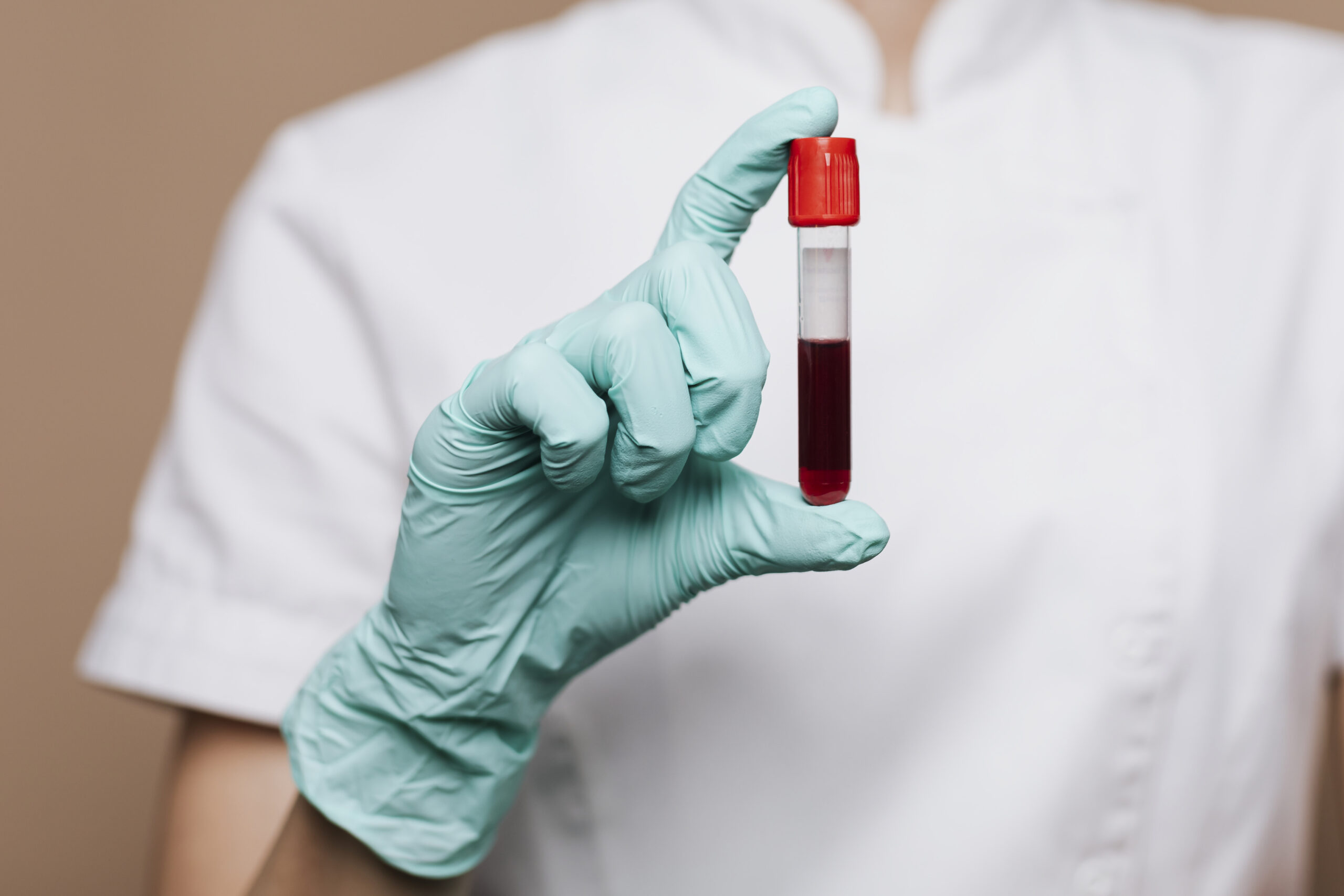
The ESR examination is a routine laboratory procedure that quantishes the speed at which red blood cells (erythrocytes) settle at the base of a specimen container. This rate of settling, termed sedimentation, is influenced by the concentration of particular proteins circulating in the circulatory fluid, notably C-reactive protein (CRP) and fibrinogen. When the body encounters bodily upset, these proteins increase, prompting red blood cells to adhere to one another.
These larger aggregations are heavier and descend more swiftly, leading to a greater ESR measurement. Fundamentally, it serves as a vital sign of internal bodily upset, though it does not specify the precise origin.
What Does a High ESR Indicate?
A substantial ESR measurement signals the presence of bodily upset somewhere within the system. It functions as a generalized indicator, meaning it can be elevated due to a broad spectrum of conditions, ranging from minor health challenges to persistent ailments.
What many overlook: it is not a standalone diagnostic tool but rather a cue that further health investigation is necessary. Generally, a typical ESR reading is under 15 mm/hr for males below 50 and under 20 mm/hr for females below 50, though these benchmarks can differ slightly between testing facilities.
That alone changes everything.
However, values exceeding these can point to underlying issues. For instance, heightened ESR readings are frequently observed in autoimmune disorders such as rheumatoid arthritis and lupus. They can also be suggestive of microbial invasions, whether from bacteria or viruses.
On top of that,, certain malignancies and chronic intestinal conditions like Crohn's disease or ulcerative colitis can also contribute to a markedly high ESR. The truth is, a significant ESR serves as an alert, prompting clinicians to investigate your health status more thoroughly.
Causes of Elevated ESR
The reasons for a heightened ESR are varied, encompassing both immediate and long-term inflammatory processes. Grasping these potential triggers is paramount for correctly interpreting the test outcomes.
Inflammatory Conditions
Autoimmune disorders represent a principal driver of elevated ESR. Conditions where the body's defense system erroneously targets its own tissues can incite widespread bodily upset.
Rheumatoid arthritis, for example, can cause ESR values to surge considerably, sometimes surpassing 100 mm/hr. Similarly, lupus erythematosus, a chronic autoimmune ailment, frequently presents with a raised ESR.
Recovery is rarely linear.
Vasculitis, which involves swelling of the vascular network, is another ailment often linked to substantial ESR readings. Polymyalgia rheumatica, a condition causing muscular discomfort and rigidity, particularly in the shoulders and hips, is also characterized by a heightened ESR.
These states of bodily upset signify that your system is actively confronting an issue, whether it's an internal malfunction or an external hazard.
Infections
Microbial invasions, both acute and chronic, are frequent contributors to a high ESR. Bacterial ailments, such as pneumonia, urinary tract issues, or a deep-seated pustule, often lead to a notable increase in ESR. The body's defensive reaction to combat invading bacteria drives the rise in proteins that influence sedimentation.
While viral illnesses typically provoke a less pronounced rise in ESR compared to bacterial ones, protracted or severe viral sicknesses can still lead to augmented levels. Tuberculosis (TB), a serious infectious affliction that can impact numerous bodily regions, is frequently associated with a high ESR, with research from bodies like the Indian Council of Medical Research (ICMR) underscoring this link.
It highlights the intricate connections within our physiological systems.
Cancers
Certain types of malignancies can also provoke an elevated ESR. This often stems from the defensive response the body mounts against the cancerous cells or the body's general systemic reaction to the disease.
The numbers don't lie.
Lymphoma, multiple myeloma (a cancer affecting plasma cells), and kidney cancer are among the malignant growths that can manifest with elevated ESR values.
The presence of a tumor can stimulate the liver to generate more acute-phase proteins, including fibrinogen, which directly affects the ESR. While a high ESR is not definitive for cancer, it can be a contributing element in the diagnostic journey when considered alongside other clinical observations and laboratory findings.
The International Diabetes Federation (IDF) points out that systemic bodily upset is a common factor in many persistent ailments, including certain cancers.
Other Causes
Beyond these primary categories, other elements can impact ESR. Renal disease, particularly chronic kidney affliction, can result in increased ESR.
meaningful tissue damage, such as from injury or surgery, will also temporarily augment ESR values as the body initiates its restorative processes. Even conditions like anemia can influence ESR measurements; in some instances, anemia can yield a falsely elevated ESR because there are fewer red blood cells to 'dilute' the effect of the inflammatory proteins.
Gestation is another physiological state where ESR naturally increases, typically commencing in the second trimester and reaching its peak in the third. During the rainy season in India, for instance, the heightened incidence of ailments like dengue or chikungunya can lead to augmented ESR in affected individuals.
Similarly, dietary shifts during celebratory periods, while enjoyable, can sometimes worsen underlying bodily upset conditions, potentially affecting ESR.
When to Be Concerned About a High ESR
A solitary heightened ESR measurement, particularly if only mildly so, may not necessitate immediate worry. , over 50-100 mm/hr), especially when accompanied by symptoms such as fever, unexplained weight reduction, exhaustion, joint pain, or stiffness, should prompt a health consultation.
That alone changes everything.
But what drives this occurrence?
These accompanying signs are critical. They provide context to the ESR outcome.
A physician will review your health background, conduct a physical assessment, and may order further examinations—such as CRP levels, a complete blood count (CBC), specific antibody tests, imaging studies (like X-rays or ultrasounds), or even tissue samples—to ascertain the underlying reason. The World Health Organization (WHO) stresses the importance of a holistic approach to diagnosis, integrating various clinical and laboratory findings.
Interpreting ESR Results with Your Doctor
Making sense of ESR results is a joint endeavor between the patient and their healthcare professional. It is crucial to remember that ESR represents just one component of the diagnostic investigation. Factors such as age, gender, and specific medications (like corticosteroids, which can lower ESR) must be taken into account.
For example, an older individual might exhibit a slightly higher baseline ESR than a younger person. Have you ever pondered the reason? Age-related physiological shifts can influence markers of bodily upset.
Likewise, a woman experiencing her menstrual cycle or in her postpartum phase might observe minor fluctuations. Clinicians at prominent facilities like the All India Institute of Medical Sciences (AIIMS) regularly advise patients on the particular implications of their ESR results within their unique health circumstances.
The numbers don't lie.
Follow-up and Monitoring
If an underlying issue is identified based on a high ESR, the ESR test can be utilized to track the efficacy of treatment. A declining ESR value often suggests that the bodily upset is responding favorably to therapy.
Conversely, a persistently high or increasing ESR might indicate that the care requires adjustment or that the concern is advancing.
The Lancet, a respected medical publication, frequently features research on markers of bodily upset and their role in ailment management. This emphasizes the scientific validity and clinical usefulness of observing ESR over time.
Regular sitting on the floor, usual in many Indian homes, can sometimes worsen joint discomfort if inflammatory conditions are present, making ESR monitoring particularly relevant for those experiencing such signs.
Key Takeaways
- A heightened ESR measurement is a general indicator of bodily upset within the system.
- typical origins include microbial invasions, autoimmune disorders (such as rheumatoid arthritis, lupus), malignancies, and tissue injury.
- A substantial ESR reading, particularly when accompanied by warning signs like fever, weight loss, or pain, necessitates health evaluation.
- ESR is employed in conjunction with other clinical data and tests for diagnosis and assessing approach effectiveness.
- Over 101 million individuals in India have diabetes (ICMR, 2023), a disorder associated with systemic bodily upset that could impact ESR.
Always seek guidance from a qualified medical practitioner before making any health-related decisions.