Understanding Elevated Platelet Levels
Meena, a 45-year-old homemaker from Jaipur, experienced unusual bruising on her arms and legs following a minor fall. Her physician, suspecting a condition beyond a simple bruise, ordered a complete blood count (CBC).
The results revealed a significantly high number of these tiny cells, a issue known as thrombocytosis. Have you ever pondered why your body might be generating an excessive quantity of these crucial components?
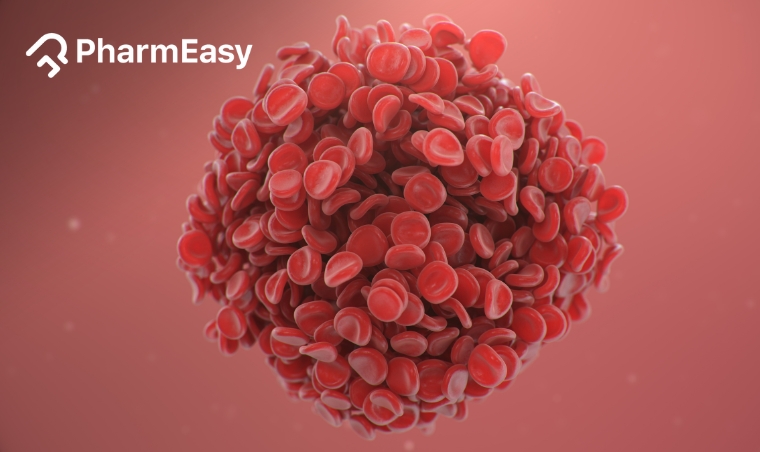
These minuscule corpuscles, also referred to as thrombocytes, are indispensable for the body's ability to stop bleeding. They achieve this by aggregating to form a plug at the site of any vascular breach. Typically, a healthy adult possesses between 150,000 and 450,000 of these cellular fragments per microliter of circulating fluid.
When this numerical value surpasses 450,000 per microliter, it is classified as thrombocytosis. This problem is not a malady in its own right but rather an indicator of an underlying issue demanding medical attention. In a majority of instances, identifying the fundamental reason is the initial stride toward effective handling.
This is where most patients struggle.
Classifications of Thrombocytosis
Thrombocytosis is generally divided into two principal categories:
Essential Thrombocythemia (ET)
Essential Thrombocythemia is an infrequent myeloproliferative neoplasm (MPN). This signifies a specific type of bone marrow malignancy where the spongy tissue within bones produces an overabundance of a particular type of blood constituent – in this scenario, thrombocytes.
It is a persistent ailment, frequently developing gradually over an extended period. The truth is, pinpointing ET can be intricate as it frequently manifests with indistinct manifestations, complicating early identification.
Secondary Thrombocytosis (Reactive Thrombocytosis)
This is the more prevalent manifestation. Secondary thrombocytosis arises when the elevated quantity of these corpuscles is a reaction to another ailment, an infectious agent, or an external element. It does not stem from a bone marrow disorder but rather represents the organism's response to a particular instigator.
Common instigators may encompass infections, inflammatory processes, a deficiency in iron stores within the blood, certain forms of malignancy, or even the aftermath of surgical procedures or physical trauma. For illustration, following a significant physical injury, the body amplifies its generation of these vital cells to facilitate healing and avert excessive fluid loss.
That alone changes everything.
Origins of an Elevated Platelet Count
Comprehending the 'reason' behind a heightened count of these vital cellular elements is of utmost importance. The origins can span from relatively innocuous to serious underlying medical ailments.
Infections
Microbial and viral contagions can prompt an augmentation in the generation of these essential cells as part of the immune system's defensive strategy. The body manufactures more of these corpuscles to assist in combating the contagion and rectifying any incurred damage.
For instance, a severe episode of dengue fever, which is widespread in India, is recognized for inducing variations in these cellular levels, although it often leads to a reduction, it can sometimes precipitate a reactive surge post-convalescence.
Inflammatory Conditions
Persistent inflammatory ailments such as rheumatoid arthritis or inflammatory bowel disease (IBD) can precipitate reactive thrombocytosis. The ongoing inflammation signals the bone marrow to enhance the production of these vital cells.
What most individuals overlook is that chronic, low-grade inflammation, often unrecognized, can also contribute to elevated levels of these corpuscles over time.
Iron Deficiency Anaemia
This represents a very frequent origin, particularly in India, where a deficit in iron is widespread. The precise biological pathway is not entirely elucidated, but the body might compensate for insufficient iron by escalating the output of these cellular components.
Here's where it gets interesting.
Over 101 million Indians have diabetes (ICMR, 2023), and a lack of iron in the blood frequently coexists with other chronic afflictions.
Malignancy (Cancer)
Certain varieties of cancerous growths can induce thrombocytosis. The aberrant cells may release substances that stimulate the production of these corpuscles, or the body's reaction to the malignancy itself can result in an increase.
The World Health Organization (WHO) estimates that cancer accounts for a substantial proportion of mortality globally, and in India, it persists as a considerable public health challenge.
Post-Surgical or Trauma Response
Following operative interventions or substantial physical harm, the body initiates a restorative process that involves augmented generation of these cellular elements. This is a transient and normal reaction intended to aid in tissue restoration and prevent hemorrhage.
Other Origins
Additional potential factors include specific genetic alterations (in the case of ET), the surgical removal of the spleen (splenectomy), and even strenuous physical activity or habitation at elevated altitudes, although these typically result in temporary and less pronounced elevations.
Manifestations of an Elevated Platelet Count
Frequently, thrombocytosis, particularly the secondary form, may not elicit any discernible symptoms. The augmented count is often identified incidentally during routine laboratory assessments.
However, when indications do emerge, they typically relate to the underlying etiology or the potential sequelae stemming from an excessive number of these corpuscles.
Here's the crucial point: the primary concern with a markedly elevated count is the amplified propensity for the formation of vascular occlusions (thrombosis). These blockages can develop within the circulatory conduits, potentially leading to grave conditions:
That's the part worth remembering.
- Deep Vein Thrombosis (DVT): Clots forming in the deeper venous channels, most commonly in the lower extremities.
- Pulmonary Embolism (PE): A detached clot that travels to the lungs, posing a life-threatening risk.
- Stroke: An obstruction of blood flow to the brain due to a clot.
- Heart Attack: An impediment of blood flow to the cardiac muscle caused by a clot.
Beyond the risks of clot formation, some individuals experiencing thrombocytosis might exhibit:
- Cephalalgia
- Vertigo
- Thoracic discomfort
- Diminished vigor
- Paresthesia or hypoaesthesia in the extremities
- Enlargement of the spleen (splenomegaly)
- Tendency towards bruising or bleeding (less frequent with elevated levels compared to diminished counts, but can manifest)
It is vital to recall that these warning signs can be indicative of numerous other conditions, necessitating a thorough medical evaluation.
Ascertaining Thrombocytosis
The process of diagnosing an elevated corpuscle count involves a methodical approach. It commences with a physical examination and a detailed review of your medical background. Your physician will inquire about any experienced warning signs and any recognized health issues.
Complete Blood Count (CBC)
The foundational diagnostic instrument is the CBC, a standard laboratory analysis that quantifies various constituents of your circulating fluid, including the count of these vital cells. An elevated finding on a CBC confirms the presence of thrombocytosis.
Peripheral Blood Smear
This procedure entails microscopic examination of a droplet of your blood. It aids the clinician in assessing the dimensions and morphology of these corpuscles and other cellular elements, which can offer insights into the origin of the thrombocytosis. For example, specific anomalies might suggest a myeloproliferative disorder.
Bone Marrow Biopsy
In scenarios where essential thrombocythemia is suspected, or when the genesis of secondary thrombocytosis remains ambiguous, a bone marrow biopsy may be advised. This intervention involves obtaining a small sample of the spongy tissue within bones (typically from the pelvic region) for examination of its structural integrity and cellular output.
Here's where it gets interesting.
This aids in distinguishing between primary (ET) and secondary etiologies.
Genetic Testing
For suspected Essential Thrombocythemia, genetic analysis for mutations such as JAK2, CALR, or MPL may be conducted. These specific genetic alterations are frequently identified in individuals with ET and contribute to diagnostic confirmation.
Investigations for Underlying Conditions
Should secondary thrombocytosis be indicated, your physician will order tests to pinpoint the root cause. This could encompass screening for infections, inflammatory markers (such as C-reactive protein), iron levels, and potentially imaging studies or other specialized investigations depending on the suspected ailment.
Management and Therapeutic Strategies
The approach to managing thrombocytosis is substantially contingent upon its type and the precipitating factor. For secondary thrombocytosis, the primary objective is to address the disorder responsible for the augmented corpuscle count. Once the fundamental issue is resolved, the cellular levels typically revert to normal.
Addressing the Root Cause
If an infection is the instigator, antimicrobial or antiviral agents will be administered. For inflammatory conditions, therapies aimed at reducing inflammation, such as disease-modifying drugs or corticosteroids, will be employed.
The numbers don't lie.
A deficit in iron stores is managed through iron supplementation and dietary adjustments. If malignancy is the underlying factor, appropriate oncological treatments like chemotherapy, radiation, or surgery will be initiated.
Pharmaceuticals for Essential Thrombocythemia
In the context of Essential Thrombocythemia, therapeutic efforts are directed towards mitigating the hazard of vascular occlusions. The strategy is often guided by a possibility assessment, considering elements such as age, prior history of clots, and the corpuscle enumeration.
Low-dose aspirin is frequently prescribed to inhibit the aggregation of these cellular elements, thereby diminishing clot formation. In certain instances, particularly for individuals at higher danger, medications such as hydroxyurea or anagrelide might be utilized to reduce the corpuscle count.
Lifestyle Modifications
While not a primary treatment modality, certain adjustments to daily habits can bolster overall well-being. Maintaining a nutritious diet, ensuring adequate hydration, and engaging in moderate physical activity (as recommended by your physician) are beneficial.
Recovery is rarely linear.
Abstaining from smoking is also paramount, as it further elevates the chance of vascular occlusions. If you reside in an area with meaningful air pollution, consider enhancing indoor air quality.
Surveillance
Regular monitoring through laboratory analyses is crucial for both forms of thrombocytosis. This enables clinicians to track the corpuscle levels, evaluate approach efficacy, and detect any potential complications promptly. The frequency of this oversight will be determined by the individual circumstances and the underlying etiology.
Navigating Life with Thrombocytosis
Living with thrombocytosis necessitates vigilance and proactive stewardship. Understanding your situation, adhering to your prescribed therapeutic regimen, and maintaining open dialogue with your healthcare provider are fundamental.
Routine medical appointments are vital, especially for those with Essential Thrombocythemia, as it is a chronic ailment requiring continuous observation.
Keep in mind that India boasts world-class medical facilities, including the All India Institute of Medical Sciences (AIIMS) and numerous other specialized centers offering exceptional care for hematological disorders. Do not hesitate to seek expert medical counsel.
So, what does this signify for you? It means actively participating in your own health and comprehending the information conveyed by your physician.
While the prospect of an elevated corpuscle count may provoke anxiety, many scenarios are manageable, particularly when identified and addressed without delay. The key lies in tackling the root cause and mitigating the perils associated with augmented levels of these vital cells.
It sounds simple. It rarely is.
The journey of managing a chronic concern can occasionally feel isolating, but remember that support networks and medical professionals are available to guide you.
Principal Takeaways
- An elevated corpuscle count (thrombocytosis) signifies more than 450,000 per microliter of circulating fluid.
- It can be secondary (a reaction to another issue) or primary (such as Essential Thrombocythemia).
- widespread origins include infections, inflammation, iron deficiency anaemia, and certain cancers.
- The primary hazard linked to high levels is the formation of vascular occlusions (thrombosis).
- Management centers on treating the originating issue for secondary thrombocytosis and averting clots for ET.
Always seek guidance from a qualified medical practitioner before making any health-related decisions.